
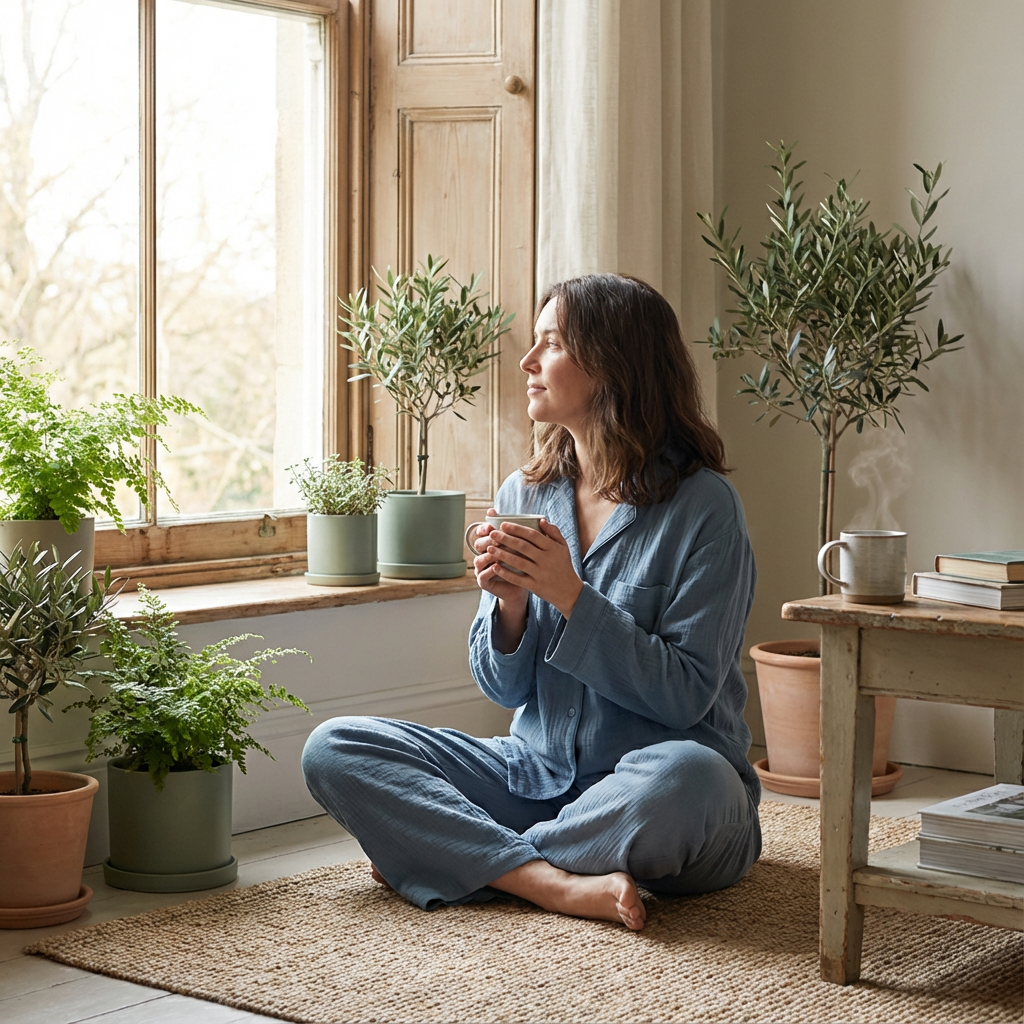
When stress shows up, it rarely waits for the perfect moment. The good news is you do not need a long retreat to reset. In under five minutes you can reduce tension, steady your breathing, and return to your day clearer and calmer. In this article I walk you through quick, evidence-friendly practices you can do anywhere, no tools required.
5 minute mindfulness exercises for stress are practical because they fit into coffee breaks, work transitions, and bedtime routines. Try one now, and you may notice how small pauses add up to big changes in mood and focus.
Why five minutes works
Short practices lower the barrier to consistency. Five minutes is long enough to change breathing patterns and shift attention, while short enough to use several times a day. If you are new to mindfulness, micro-practices build confidence, and they stack into better stress resilience over weeks.
Practical benefits you can expect, often right away:
- Calmer breathing and reduced heart rate.
- Less reactivity to stressful thoughts.
- Increased mental clarity for the next task.
Here is the thing, these quick practices are not magic. They are tools you can use repeatedly, and they become more powerful with repetition.
Quick guide: 5 Minute Mindfulness Exercises for Stress
Below are five simple exercises, each designed to be completed in about five minutes. Use a timer if you like, or simply set an intention to stay present until you feel soothed.
1) 5-Minute Breath Counting
- Sit comfortably, feet on the floor or cross-legged. Close your eyes if that helps.
- Inhale naturally and on the next exhale silently count "one." Inhale, exhale count "two." Continue up to five, then start again at one.
- If your mind wanders, note it without judgment and return to counting.
Why it helps: Counting anchors attention to breath, reducing the loop of stressful thoughts. Try three rounds during a busy day.
2) Box Breathing (Square Breath)
- Inhale for a count of four, hold for four, exhale for four, hold for four.
- Repeat this square breathing cycle for five minutes. Adjust counts to what feels comfortable.
Why it helps: Box breathing activates the parasympathetic nervous system, promoting calm and clearer decision making.
3) Mini Body Scan
- Close your eyes and take a few deep breaths. Bring attention to your feet, notice sensations, then slowly move attention up through your legs, hips, belly, chest, shoulders, arms, neck, and face.
- Spend about 20-30 seconds on each major area, noticing tension and breathing into it.
Why it helps: Shifting attention through the body reduces mental rumination and increases bodily awareness, which often reduces anxiety.
4) 5-4-3-2-1 Grounding Exercise
- Name 5 things you can see, 4 things you can touch, 3 sounds you can hear, 2 things you can smell or imagine smelling, and 1 thing you can taste or focus on in your mouth.
- Move slowly and deliberately through each sense.
Why it helps: This sensory checklist brings you back to the present moment, interrupting worry loops.
5) Compassion Break or Brief Loving-Kindness
- Place your hand over your heart. Breathe in, then say silently: "May I be safe, may I be peaceful, may I be healthy, may I live with ease."
- Repeat for a minute or two, then extend the wish to someone you care about for the remaining time.
Why it helps: Practicing kindness lowers self-criticism and calms emotional reactivity.
How to fit five-minute practices into your day
- Morning anchor: Do breath counting before checking your phone.
- Work reset: Use box breathing between meetings or after a stressful email.
- Transitional ritual: Do a mini body scan when you arrive home to leave work stress at the door.
- Bedtime buffer: Try the compassion break to ease into sleep.
Consistency matters more than length. Aim for two short sessions a day and notice what changes after one week.
Practical tips for success
- Start small, be kind to yourself when you forget.
- Use reminders on your phone or calendar, but avoid turning mindfulness into another obligation.
- Pair practices with routines, for example after brushing your teeth or before a meal.
- Track progress qualitatively, noting reduced reactivity or clearer focus.
Frequently asked questions
How soon will five-minute practices reduce my stress?
Many people notice immediate relief in breath and clarity after one session. Lasting change usually requires regular practice over weeks.
Do I need to sit cross-legged or meditate for longer to get benefits?
No, benefits come from focused attention. Sit in a chair, stand, or lie down. The key is consistent, mindful practice.
What if I can’t stop my thoughts during the exercises?
Thoughts are normal. Notice them without judgment, label them if helpful, and gently return to your breath or the exercise.
Can I do these with my kids or pets around?
Yes, short practices are family-friendly. Invite kids to do the 5-4-3-2-1 grounding as a game.
Are these exercises backed by research?
Yes, brief mindfulness and breathing techniques have been shown to reduce physiological markers of stress and improve attention. For accessible resources, see the American Psychological Association and Mayo Clinic pages on mindfulness and breathing exercises.
What if five minutes feels like too much at first?
Start with one minute, then gradually increase. Micro-practices build skill and confidence.
Quick practice sequences you can use
- Reset Sequence (for work): 1 minute box breathing, 2 minutes breath counting, 2 minutes mini body scan.
- Calm Down Quickly: 2 minutes 5-4-3-2-1 grounding, 3 minutes compassion break.
Ready to apply this today?
Pick one exercise from above and schedule it into your day. Small consistent changes beat occasional intense sessions.
Try better content and publishing help
If you create wellness content, you can strengthen reach and conversion with clear, evidence-forward articles like this one. Learn how to scale content and publish efficiently with expert tools at https://contentbeast.com, where teams turn ideas into optimized posts faster.
Conclusion
Five minutes is enough to interrupt stress and bring you back to the present. These short mindfulness exercises are practical, portable, and rooted in simple attention skills. Start with one, practice across the week, and notice how small pauses change your day. Remember, mindfulness is a skill you build with kindness and repetition, not a performance to perfect.