
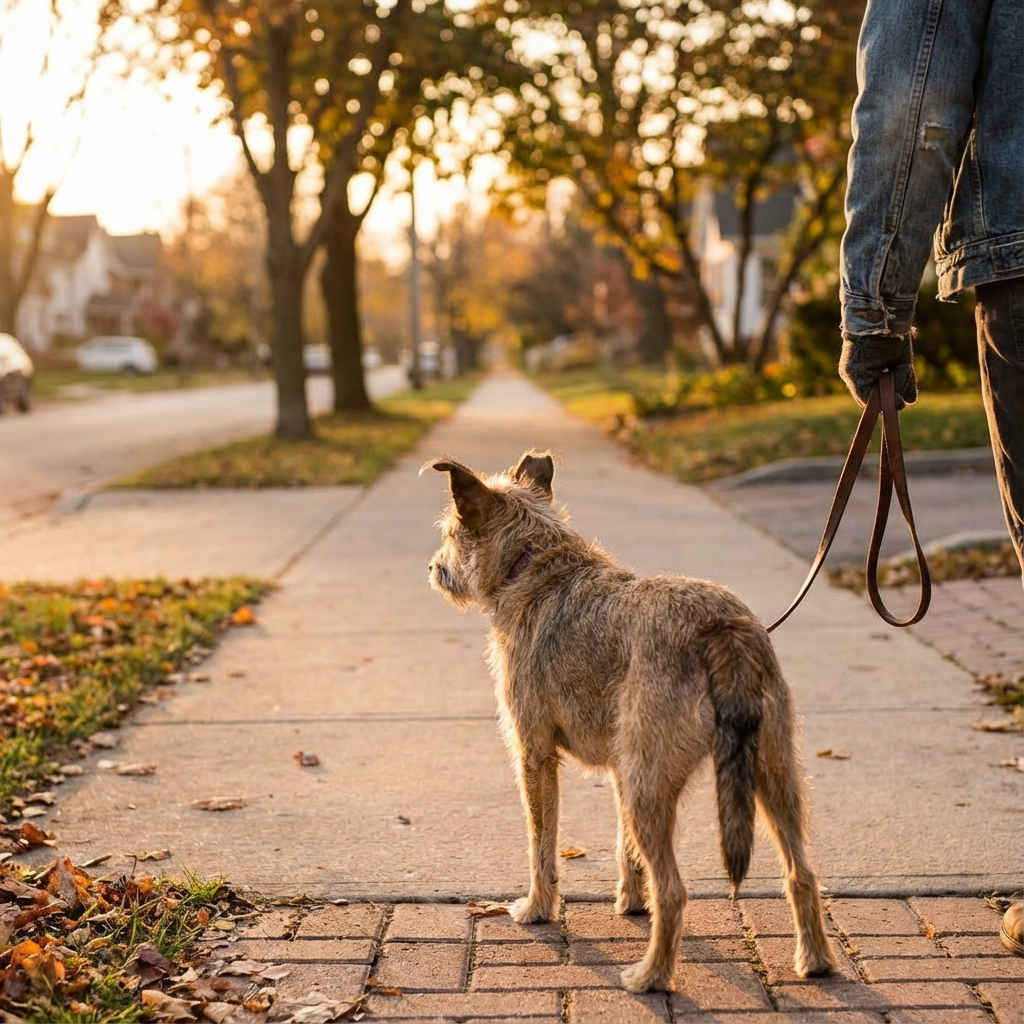
That jump from peaceful walks to tense, lunging behavior can feel sudden and personal. You may be exhausted, embarrassed, or worried for your dog's safety and your own. If you are wondering why is my dog suddenly leash reactive, this article walks through the most common reasons, quick safety steps, and training strategies that actually help.
What leash reactivity really means
Leash reactivity is a broad term for exaggerated responses while on leash, like lunging, barking, snapping, or intense staring. It is not always aggression, it can be fear, frustration, overexcitement, or confusion about how to cope on leash. Understanding the cause is the first step to change.
Common causes of sudden leash reactivity
Medical issues
Pain or discomfort can make any dog more reactive. Hip pain, dental problems, inner ear issues, or sudden illnesses change how dogs tolerate stimulation. If reactivity appears abruptly, rule out health problems with your veterinarian.
Fear and anxiety
New or intensified fear is a top reason. A recent scary encounter, loud noises, or a frightening dog or person on a past walk can sensitize your dog, causing a faster or stronger reaction next time.
Frustration and lack of outlet
Dogs that are not getting enough exercise or mental work may redirect pent-up energy into lunging or barking on leash. This is often called barrier or redirected frustration.
Changes in socialization or environment
A new neighborhood, different walking route, new dog in the house, or even changes in household routine can increase stress. Seasonal changes like holiday decorations, more people outside, or wildlife activity also matter.
Owner handling and equipment
Tight leashes, jerky corrections, or inconsistent timing can escalate reactions. Some collars or harnesses encourage pulling or put pressure on the throat, increasing discomfort and reactivity.
Age-related or cognitive changes
Older dogs may develop sensory decline, pain, or cognitive dysfunction, which can show up as sudden reactivity when once calm.
How to assess your dog now, in 5 steps
- Observe: Note when reactivity happens, what triggers it, and how long it lasts. Keep a short walk log for a week.
- Check health: Schedule a vet exam to rule out pain or sudden illness.
- Environment scan: Did anything change at home or on walks around the time reactivity began?
- Equipment audit: Try a comfortable front-clip harness or a non-restrictive head halter, and avoid choke or prong collars.
- Safety plan: Use management tools, like crossing the street, stepping into doorways, or choosing quieter routes while you work on training.
Immediate management during walks
- Keep distance from triggers and plan routes with fewer stressful encounters, distance reduces intensity.
- Stay calm, breathe, and use a relaxed, neutral body stance, dogs pick up on your energy.
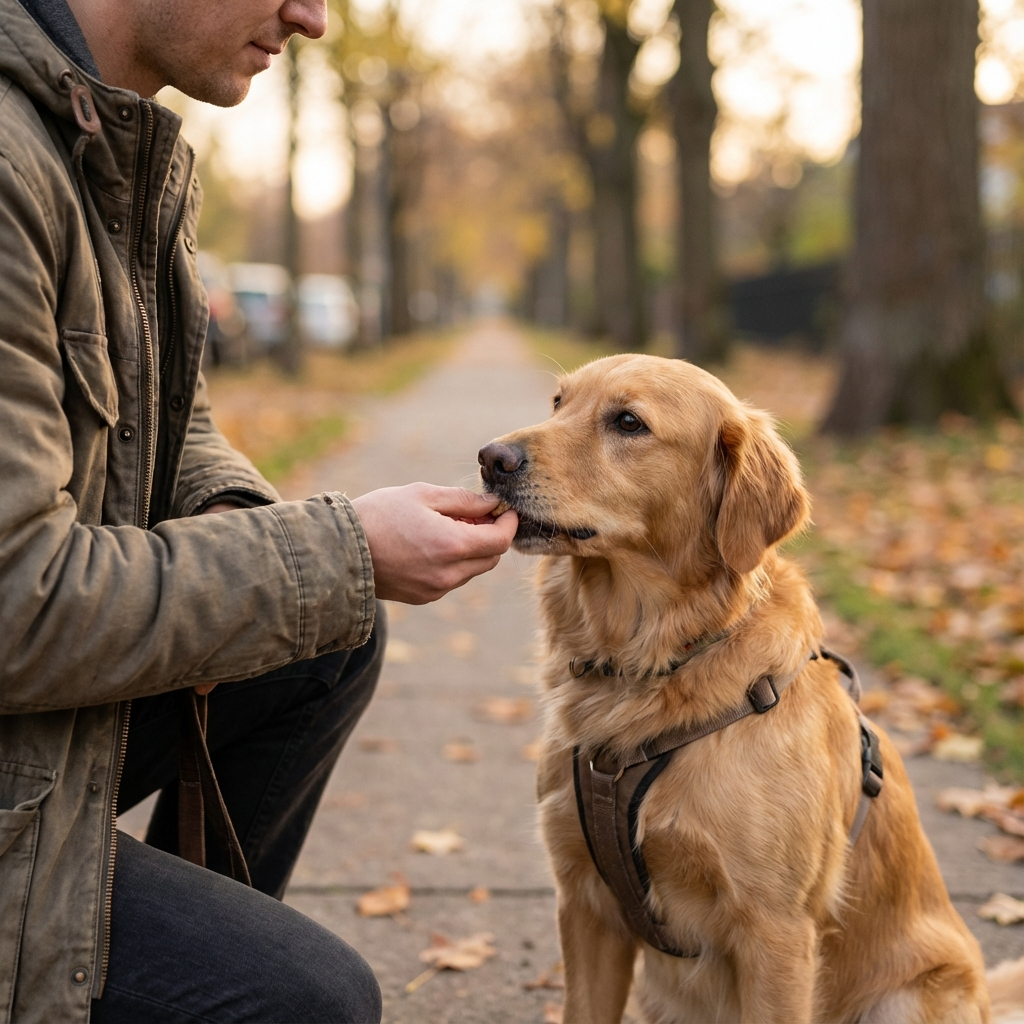
- Reward focus, not punishment. Small high-value treats for looking at you help build a new habit.
- Use short, frequent walks if long outings have become overwhelming for your dog.
Training approaches that help long term
Desensitization and counter-conditioning
This method pairs a trigger at a safe distance with something positive, like treats, to change the dog's emotional response. Start far enough away that your dog stays under threshold, then slowly move closer as comfort increases.
Threshold work and pacing
Work at the dog's threshold, the distance where they notice the trigger but remain responsive. Gradual increases, repeated short sessions, and consistent rewards build tolerance.
Teach alternative behaviors
Train reliable cues like "look," "heel," or "touch". When your dog performs the alternative behavior, reward immediately, this gives them a job to do instead of reacting.
Address exercise and enrichment
Increase daily mental and physical outlets, like puzzle toys, scent work, or structured play, to reduce overall reactivity driven by excess energy or boredom.
When to use management tools
Tools like front-clip harnesses, head halters, or a secure double leash are not permanent solutions, they help manage safety while you train. Avoid punitive tools that increase fear.
When to get professional help
If the dog is showing aggressive snaps, or progress stalls, consult a qualified force-free trainer or a veterinary behaviorist. They can design a tailored plan and ensure safety.
Practical weekly plan to start changing behavior
- Days 1-7: Record triggers and try two quieter walk routes, practice five 5-minute focus sessions at home.
- Weeks 2-4: Add threshold training two times daily, reward for calm focus, slowly reduce distance when comfortable.
- After 4 weeks: Evaluate progress, increase real-world exposure gradually, and consult a professional if limited improvement.
Frequently asked questions
Why did my calm dog suddenly become leash reactive?
Sudden changes are often caused by pain, a startling event, or environment changes. A vet check and a careful timeline of events usually helps identify the cause.
Can training fix leash reactivity quickly?
Expect gradual improvement over weeks or months, not overnight change. Short consistent sessions, management, and positive reinforcement produce reliable results.
Is my dog aggressive or just reactive?
Reactivity on leash is not always aggression. Dogs on leash may feel trapped and are more likely to show intense behavior. Context and body language help tell the difference.
Should I punish my dog for lunging and barking?
No, punishment often increases fear and escalation. Focus on safety, reward alternative behaviors, and use distance to reduce intensity.
What equipment is best for a reactive dog?
Front-clip harnesses and head halters that reduce pulling and give you more control are helpful. Avoid tools that cause pain or restrict breathing.
When should I see a behavior specialist?
If your dog shows biting, intense fear, or if home strategies do not help after several weeks, seek a certified force-free trainer or veterinary behaviorist.
Ready To Get Your Walks Back?
If you want step-by-step plans, downloadables, or a trainer directory, visit https://contentbeast.com for practical resources and articles. Start small, stay consistent, and ask for help when you need it.
Conclusion
Leash reactivity can feel overwhelming, but it is usually manageable with a calm plan. Begin by ruling out medical causes, reduce exposure to triggers, and build new habits through reward-based training and enrichment. With patience, consistent steps, and possibly professional help, many dogs learn to walk more calmly, and you can enjoy your outings again.