Many people feel like grocery bills creep up even when their shopping habits stay the same. The good news is that saving money on groceries does not have to mean bland meals, less nutrition, or hours of coupon hunting.
The easiest wins usually come from a few simple habits, like planning meals, buying with a list, and choosing store brands where it makes sense. These small changes can add up fast, especially if you are feeding a family, fueling an active lifestyle, or just trying to keep monthly spending under control.
Start With a Plan Before You Shop
One of the easiest ways to save money on groceries is to shop with a plan. A quick meal outline for the week helps you buy only what you need and reduces those extra items that quietly inflate the total.
Build your meals around what you already have
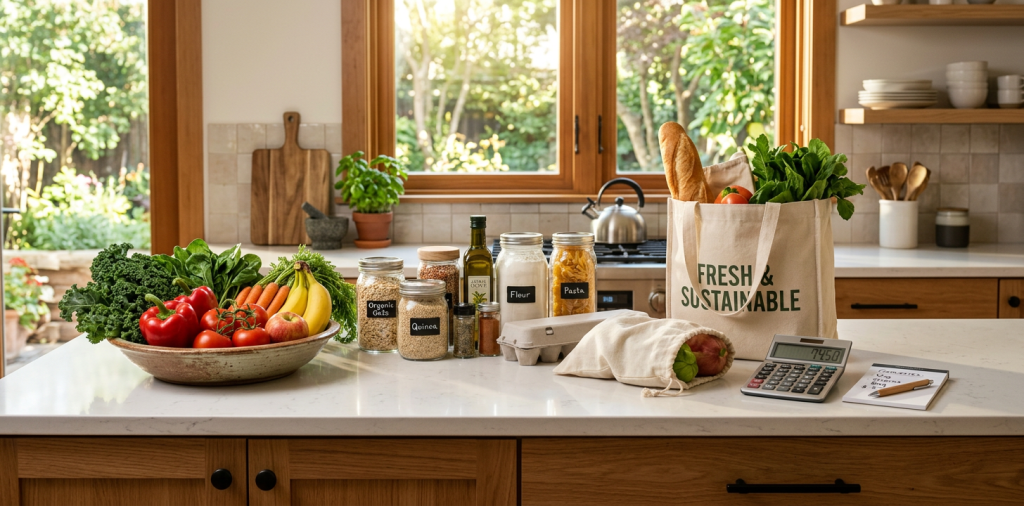
Before you make a list, check your fridge, freezer, and pantry. If you already have rice, pasta, oats, beans, or frozen vegetables, build meals around those items first. That simple habit lowers waste and makes your grocery budget work harder.
Keep your list realistic
A list works best when it matches your actual schedule. If you know you will be busy three nights this week, plan for simple meals like stir-fries, soups, or sheet-pan dinners. A practical plan is easier to follow, and that means fewer impulse purchases.
Shop Smarter, Not Harder
You do not need extreme couponing to cut your food bill. Most savings come from consistent choices that are easy to repeat every week.
Compare unit prices
Unit pricing tells you what you are really paying per ounce, pound, or count. Bigger packages are not always cheaper, so check the shelf label before assuming a bulk item is the best deal.
Choose store brands when the quality is similar
Many store-brand products are made to be nearly identical to name brands, but at a lower price. This is especially useful for basics like oats, flour, canned beans, pasta, yogurt, and frozen vegetables.
Avoid shopping when you are hungry
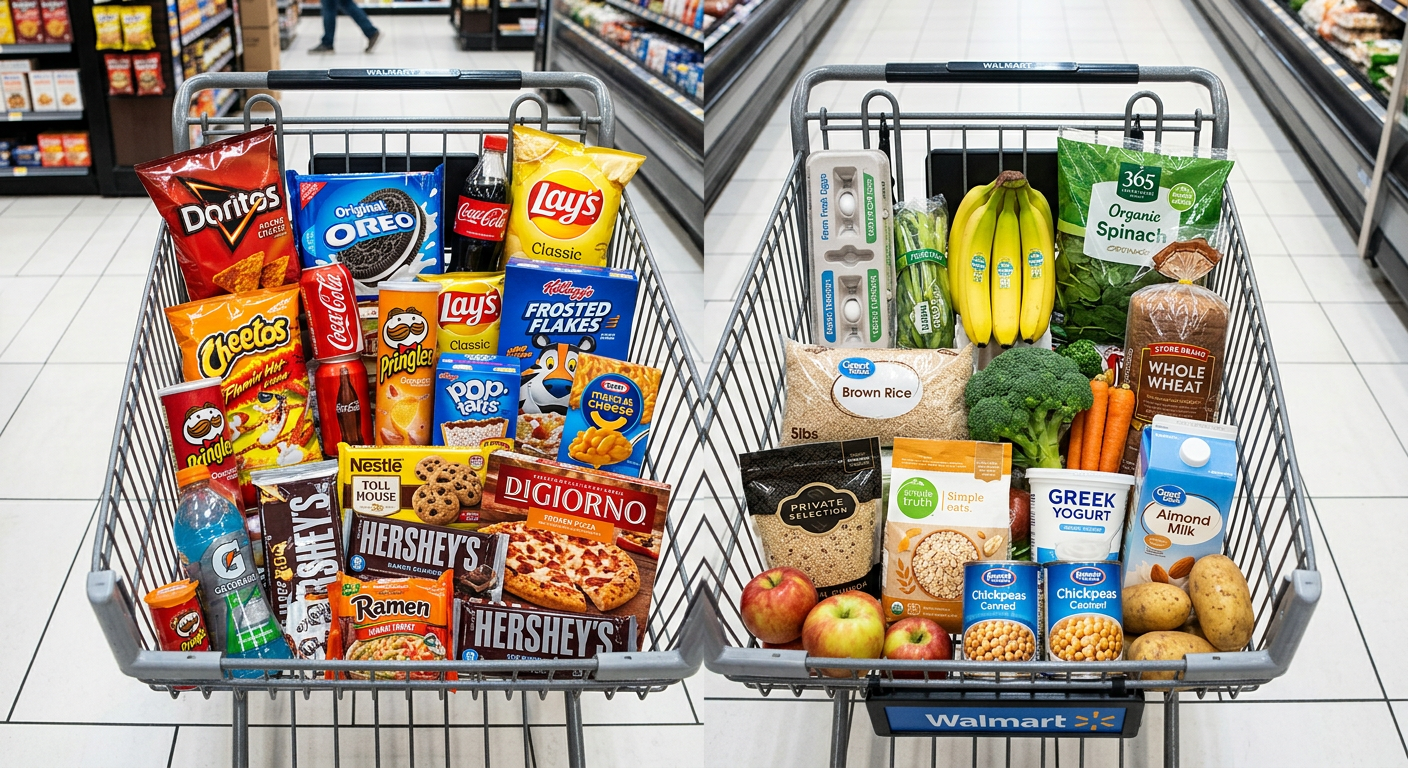
This sounds simple, but it matters. Hungry shoppers tend to buy more snacks, prepared foods, and extras that were never on the list. A full stomach makes it easier to stick to your plan.
Focus on High-Value Foods
If you want to save money on groceries without compromising nutrition, focus on foods that are filling, versatile, and affordable. That usually means getting more meals out of fewer ingredients.
Buy protein strategically
Protein can be a major grocery expense, so look for lower-cost options like eggs, Greek yogurt, canned tuna, chicken thighs, beans, lentils, tofu, and peanut butter. These options can support fitness goals and keep meals satisfying without blowing your budget.
Use frozen and canned options
Frozen fruits and vegetables are often just as useful as fresh ones, and they last longer. Canned tomatoes, beans, corn, and tuna can also save money and cut down on food waste.
Prioritize seasonal produce
Seasonal fruits and vegetables often cost less and taste better. If strawberries are expensive, swap in apples or bananas. If fresh broccoli is pricey, try frozen broccoli or cabbage instead.
Reduce Waste at Home
A lot of grocery spending gets lost after checkout. If food goes bad before you use it, you are paying for meals you never eat.
Store food so it lasts longer
Use clear containers, label leftovers, and place older items at the front of the fridge. A little organization makes it much easier to use food before it spoils.
Cook once, eat twice
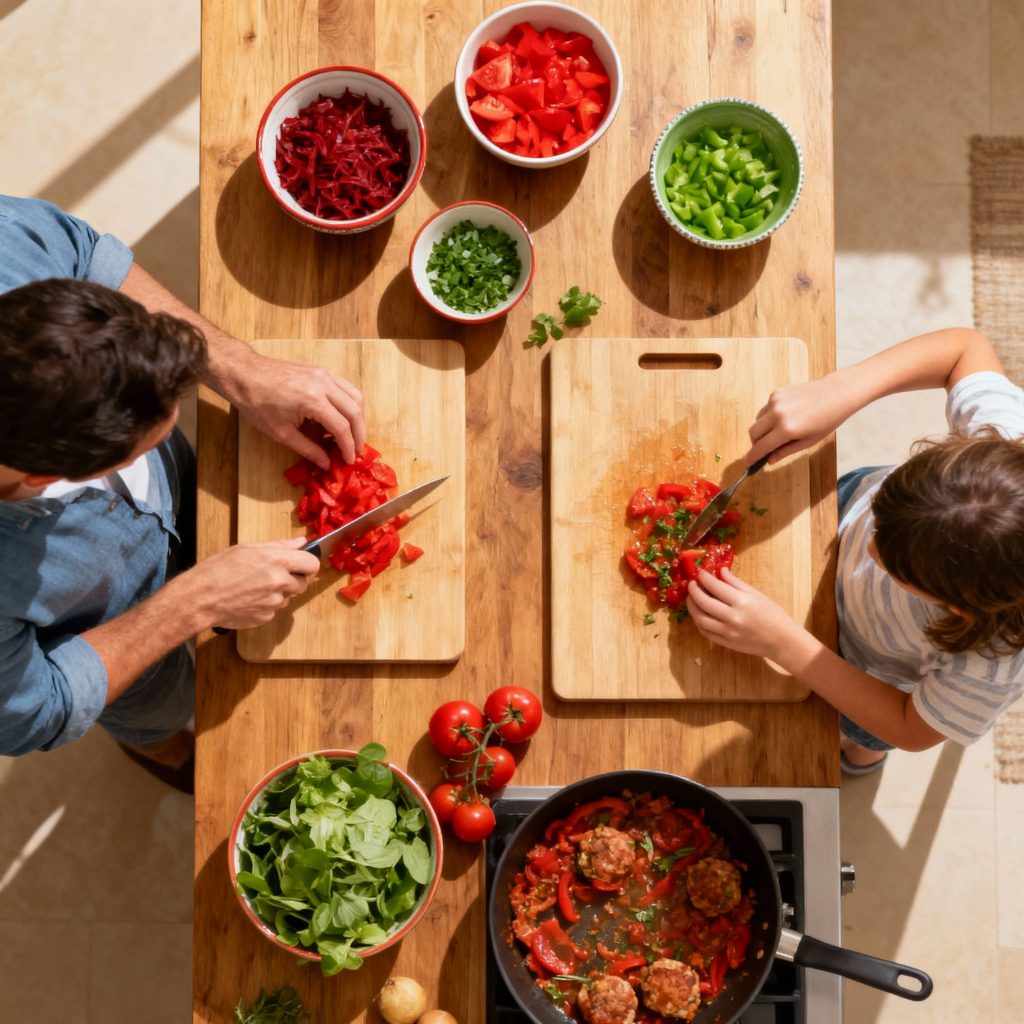
Batch cooking is a practical money saver. Roast extra vegetables, cook a bigger portion of rice, or make enough chili for two meals. That way, one shopping trip stretches into several quick dinners.
Freeze leftovers before they expire
If you know you will not finish something in time, freeze it. Bread, cooked grains, soups, sauces, berries, and even some dairy items can be saved instead of tossed.
Use Simple Budget Habits That Stick
The best savings habits are the ones you can actually maintain. If a system is too complicated, it usually gets abandoned.
Set a weekly grocery budget
A weekly number gives you a clear target and helps you make tradeoffs in the store. Once you know your limit, it becomes easier to skip unnecessary items and stay on track.
Track a few spending patterns
You do not need a full spreadsheet if that feels overwhelming. Just notice where money tends to disappear, like snacks, drinks, convenience foods, or last-minute top-up trips.
Limit expensive convenience items
Pre-cut fruit, individually packaged snacks, ready-made salads, and single-serve meals are convenient, but they cost more. Save them for busy weeks and build most meals from basic ingredients.
Easy Grocery Swaps That Save Money
Here are a few simple swaps that can lower your bill right away:
- Buy oats instead of boxed breakfast cereals
- Choose dried beans or lentils instead of some meat meals
- Pick block cheese instead of shredded cheese
- Use peanut butter and bananas for easy snacks
- Make your own salad kits from whole ingredients
- Buy whole chicken instead of pre-cut pieces when it fits your cooking style
These swaps do not require a major lifestyle change. They just shift your spending toward foods that do more for less.
FAQ
What is the fastest way to lower my grocery bill?
The fastest improvement usually comes from meal planning, shopping with a list, and cutting back on impulse buys. Even one or two of those habits can make a noticeable difference within a month.
Is buying in bulk always cheaper?
Not always. Bulk only saves money if you will actually use the food before it expires and if the unit price is lower than smaller packages. Check the math instead of assuming bigger is better.
Are store brands really worth it?
Yes, in many cases. For pantry staples, dairy, and frozen items, store brands often deliver similar quality for less. Try a few and compare taste and texture for yourself.
How can I save money if I eat healthy?
Focus on affordable staples like eggs, oats, beans, lentils, rice, frozen vegetables, and seasonal produce. Healthy eating can be budget-friendly when meals are built around simple, nutrient-dense ingredients.
How do I stop wasting food?
Start by shopping less often, storing food properly, and cooking what you already have before buying more. Planning leftovers into the week also helps food get used instead of forgotten.
Should I use coupons and cashback apps?
They can help, but they work best as a bonus rather than your main strategy. The bigger savings usually come from changing what you buy, not just how you pay for it.
Keep Grocery Savings Simple and Consistent
You do not need a perfect system to save money on groceries. You just need a few repeatable habits that make each shopping trip a little smarter than the last.
If you plan ahead, compare prices, reduce waste, and lean on affordable staples, your grocery budget becomes much easier to manage. Start with one change this week, then build from there.
Take the Next Step
If you want more practical ideas for smarter spending and everyday improvement, keep exploring content that helps you make better decisions without adding stress. Visit ContentBeast for more helpful articles designed to fit real life.
The best savings strategy is the one you can keep using. Start small, stay consistent, and let those small wins add up over time.