

If you want better muscle-building results, the answer is not more random exercises, more supplements, or working out until you feel destroyed. The real edge comes from doing a few basics extremely well, then repeating them long enough for your body to adapt.
That is what evidence based muscle growth tips are all about, simple habits backed by solid training and nutrition research. You do not need a perfect plan, you need a plan that actually works and that you can stick to.
Start With Progressive Overload
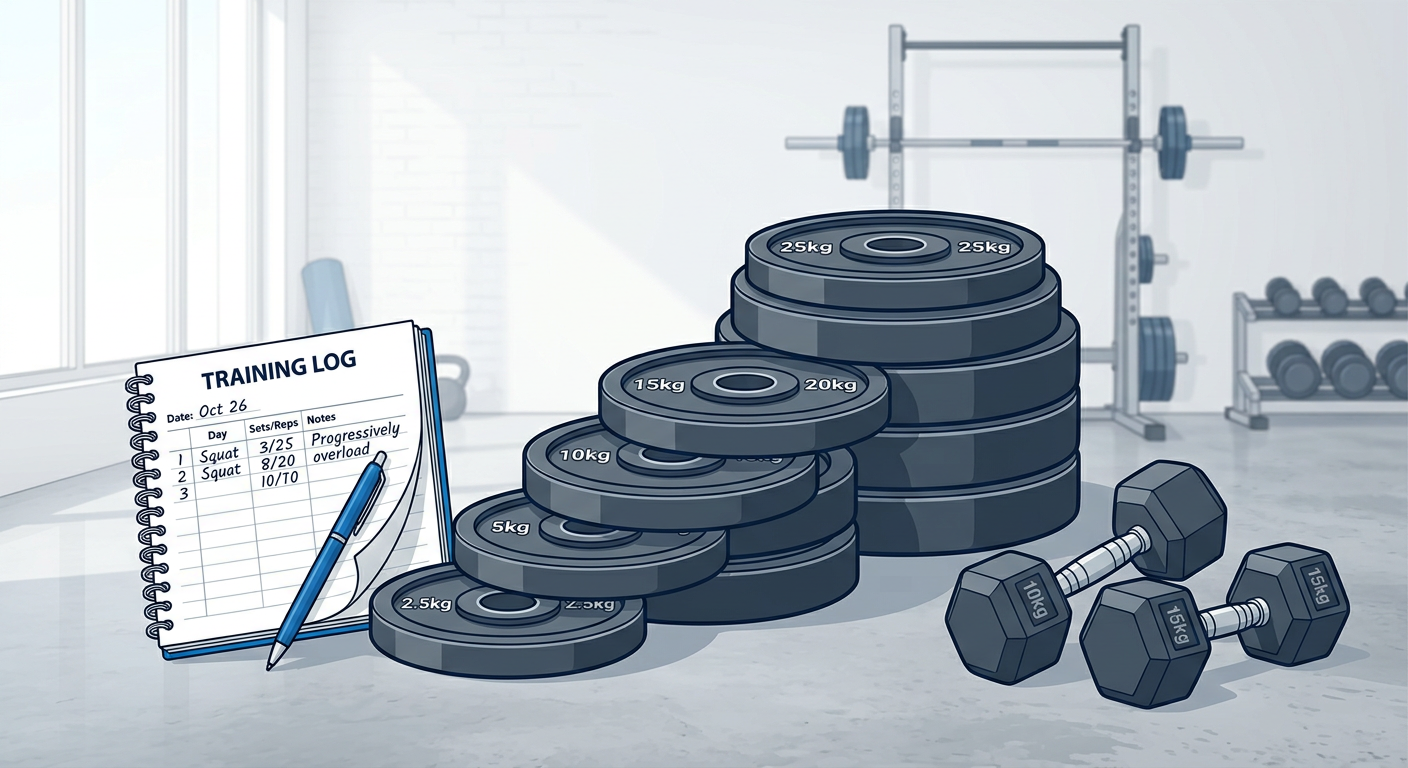
Muscle grows when you give it a reason to adapt. In practice, that usually means gradually increasing the challenge over time, whether that is more weight, more reps, better control, or extra sets.
Here is the thing, progression does not have to be dramatic. Small improvements add up fast when you stay consistent.
What progression can look like
- Add 1 to 2 reps to a set before increasing the weight.
- Use the same weight, but improve form and range of motion.
- Add one extra set for a muscle group over time.
- Reduce rest only if it does not hurt performance.
Train Close To Failure, But Not Every Set To Failure
One of the most practical muscle growth tips is to work hard enough that the muscle is actually challenged. For most lifters, that means ending many sets with about 1 to 3 reps left in the tank.
Training to absolute failure can be useful sometimes, especially on safer isolation movements, but doing it on every set often creates too much fatigue and makes recovery harder.
A simple rule
- Compound lifts, stop a little short of failure.
- Isolation work, push closer to failure more often.
- Save true all-out efforts for occasional final sets.
Prioritize Enough Weekly Volume
If you want hypertrophy, one hard set is rarely enough. Most people grow better when they accumulate enough quality work for each muscle group across the week.
You do not need to obsess over exact numbers, but you do need enough total stimulus. Spread your training across the week so you can keep performance high instead of cramming everything into one brutal session.
Practical weekly target
- Train each major muscle group 2 times per week.
- Use multiple challenging sets per session.
- Adjust volume based on recovery and progress.
Eat Enough Protein And Total Calories
Nutrition matters because muscle is built from resources you provide. Protein is especially important, and so is eating enough total calories if your goal is to grow.
A good starting point is to include a solid protein source at every meal and avoid unintentionally eating too little, especially if you are active and trying to stay lean.
Easy nutrition habits
- Include protein at breakfast, lunch, dinner, and after training.
- Build meals around eggs, dairy, poultry, fish, lean meat, tofu, beans, or protein powder.
- If you are not gaining at all, slightly increase food intake.
For a broad evidence summary on protein and resistance training, see the International Society of Sports Nutrition position stand.
Use Smart Exercise Selection
Not every exercise is equally useful for every person. The best program is the one that lets you train hard, recover well, and hit the muscles through a good range of motion.
Compound lifts like squats, presses, rows, and deadlift variations give you a strong foundation. Isolation exercises help you add focused volume where you need it most.
A balanced setup
- Use big movements for overall load and efficiency.
- Add isolation work for biceps, triceps, calves, rear delts, and abs.
- Choose exercises you can perform consistently and safely.
Rest Enough Between Sets
Short rests can make a workout feel intense, but they are not always better for growth. If rest is too short, performance drops and your sets become less productive.
Longer rest periods often let you use more reps or more load, which can support better training quality over time.
General guideline
- Big compound lifts, rest longer.
- Isolation work, moderate rest is usually fine.
- If your next set falls apart, rest longer.
Sleep Is A Muscle-Building Tool
You do not get stronger only in the gym. Recovery happens when you sleep, and poor sleep can make training feel harder and reduce your ability to perform well.
If you are serious about muscle growth, treat sleep like part of the program, not a bonus.
Better sleep habits
- Keep a consistent sleep schedule.
- Cut caffeine late in the day if it affects you.
- Reduce late-night scrolling and bright light.
- Aim for enough total sleep to feel recovered.
Track A Few Key Metrics
You do not need to track everything, but you should track enough to know whether you are improving. The simplest approach is often the best.
Write down your lifts, sets, reps, and bodyweight trends. That gives you a real-world view of whether your plan is working.
What to watch
- Performance in your main lifts.
- Weekly bodyweight trend.
- How recovered you feel.
- Whether your muscles are getting stronger and fuller over time.
FAQ
How many reps are best for muscle growth?
A wide rep range can work if sets are hard enough. Many people do well with moderate reps, but both lower and higher rep ranges can build muscle when effort is high.
Should I bulk to gain muscle faster?
A slight calorie surplus can help many people gain muscle more easily. The key is avoiding excessive overeating, because that usually adds more fat than you want.
Do supplements matter?
Most supplements are optional. Protein powder can help you hit protein targets, and creatine is one of the most researched options for strength and muscle support.
How long until I see results?
You may notice better performance in a few weeks, but visible changes usually take longer. Consistency over months matters more than any single perfect workout.
Is it bad to train sore muscles?
Not always. Mild soreness is normal, but if soreness hurts your form or performance, you may need more recovery before training that muscle hard again.
Build A Simple System You Can Repeat
The best evidence based muscle growth tips are not flashy. They are repeatable. Train with progression, manage fatigue, eat enough protein, and sleep well enough to recover.
That combination beats chaos every time. If you want a practical system that helps you stay consistent with your content and your growth strategy, explore more resources at ContentBeast.
Conclusion
Muscle growth is not mysterious once you strip away the noise. Focus on progressive overload, adequate weekly training, enough protein, smart exercise choices, and real recovery. Do those things consistently, and you give yourself a much better chance of steady gains.