

Losing weight is rarely about quick fixes, it is about building reliable habits that you can maintain long term. If you've tried fad diets or radical short-term plans, you're not alone, and there are better approaches grounded in science.
Evidence based weight loss tips cut through trendy advice and focus on what research shows actually produces sustainable results: consistent calorie control, preserved muscle through protein and strength training, better sleep, and behavior changes that support consistency. Below are practical, evidence-backed strategies you can start using this week.
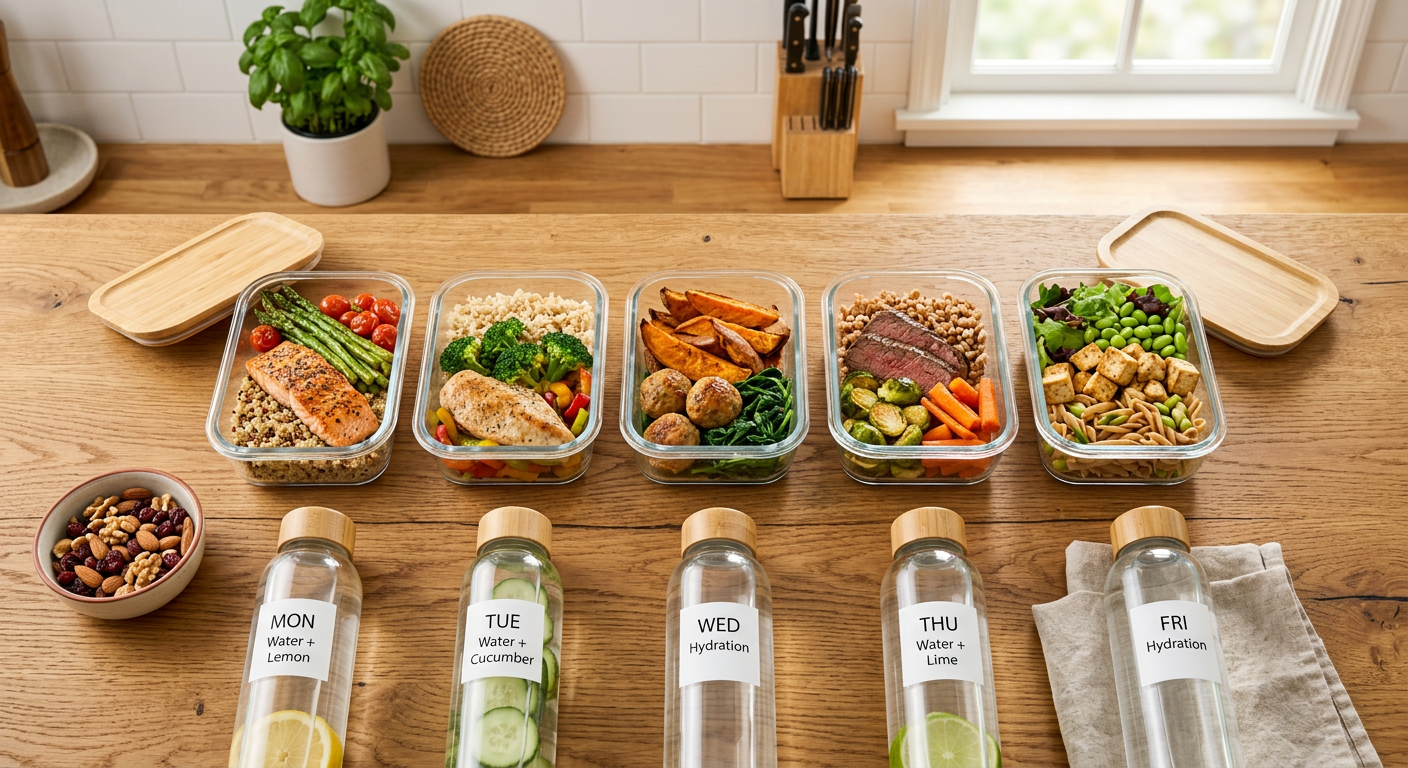
Why follow science-backed strategies
Most successful weight loss programs combine several elements, not just one. Public health agencies and clinical guidelines recommend a calorie deficit plus increased physical activity and behavior change support for real results. The Centers for Disease Control and Prevention highlights steady, sustainable loss of about 1 to 2 pounds per week as a realistic target, paired with lifestyle change and professional support when needed.
Core, evidence-based principles
1. Create a modest, sustainable calorie deficit
The basic physics still matter, calories in vs calories out. Aim for a moderate deficit that produces steady loss, about 1 to 2 pounds per week for most adults. Aggressive restriction often backfires because it harms adherence and increases muscle loss.
Practical step: Use a tracking method you can stick to, whether a mobile app or a food diary, and adjust after two weeks based on progress.
2. Prioritize protein to protect muscle
Higher protein intake during calorie restriction helps preserve lean mass and increases satiety. Randomized trials and meta-analyses show that protein-focused diets during weight loss reduce muscle loss and can improve body composition versus lower-protein diets.
Practical step: Aim for roughly 1.0–1.6 g protein per kg body weight per day during weight loss, distributed across meals. Focus on whole-food sources like lean meats, fish, eggs, dairy, legumes, and tofu.
3. Strength training to keep your metabolism strong
Resistance training is essential when you cut calories. It preserves or builds muscle, which helps maintain resting metabolic rate and supports functional strength.
Practical step: Two to three sessions per week of compound movements (squats, deadlifts, push patterns, rows) paired with progressive overload will make the biggest difference.
4. Move more, sit less
Cardio supports calorie burn and cardiovascular health, while extra daily movement (steps, standing, active chores) reduces sedentary time and improves long-term outcomes.
Practical step: Pick enjoyable forms of movement, aim for 150 minutes of moderate activity weekly plus strength work, and add short walks after meals to help appetite control.
5. Sleep and stress matter
Short or poor-quality sleep alters hunger hormones and increases cravings, and chronic stress raises cortisol which can interfere with fat loss. Multiple reviews link inadequate sleep to higher obesity risk.
Practical step: Target consistent 7 to 8 hours nightly, use wind-down routines, and practice stress management techniques like short breathing exercises or brief daily walks.
6. Cut liquid calories and ultra-processed snacks
Sugar-sweetened beverages and calorie-dense packaged snacks can add hundreds of calories without satiety. Replacing these with water, unsweetened drinks, whole foods, and snacks with protein and fiber reduces total intake.
Practical step: Swap soda or juices for water or tea, and replace chips with a small portion of mixed nuts or Greek yogurt.
7. Use behavior strategies: planning, tracking, and environment design
Evidence shows that self-monitoring, meal planning, and changing cues in your environment improve adherence. Simple habit design reduces reliance on willpower.
Practical step: Prep lunches, keep tempting foods out of sight, set consistent meal times, and log food for accountability.
Sample 1-week starter plan (practical)
- Monday: Calculate approximate calorie needs and set a 300–500 kcal daily deficit. Plan protein-rich meals.
- Tuesday: Strength session (45 minutes), prep three protein-focused lunches.
- Wednesday: 30-minute brisk walk after dinner, practice 30-minute sleep routine.
- Thursday: Short HIIT session (20 minutes) or bike ride, swap sugary drinks for water.
- Friday: Strength session, weigh-in or tape measure check, adjust portions if needed.
- Weekend: Two moderate activity sessions, enjoy one planned treat meal.
Common objections and how to handle them
- "I don't have time to cook or exercise." Start with small steps: 20-minute bodyweight strength sessions and simple one-pan meals or batch salads. Small consistent actions beat sporadic perfection.
- "I get hungry when I cut calories." Prioritize protein and fiber-rich foods, and distribute protein across meals to increase satiety.
- "I tried diets but regained weight." Focus on behavior and environment changes, not short-term fixes, and aim for gradual, maintainable changes.
Evidence and sources to learn more
- Centers for Disease Control and Prevention guidance on losing weight and healthy weight practices: https://www.cdc.gov/healthy-weight-growth/losing-weight/index.html
- National Heart, Lung, and Blood Institute overview of obesity treatment and lifestyle programs: https://www.nhlbi.nih.gov/health/overweight-and-obesity/treatment
- Clinical reviews on protein and weight loss, and trials on protein’s role in preserving muscle: https://pubmed.ncbi.nlm.nih.gov/32699189/ and https://www.ncbi.nlm.nih.gov/pmc/articles/PMC8000240/
- Reviews linking sleep disruption to weight and metabolic risk: https://www.ncbi.nlm.nih.gov/pmc/articles/PMC6196958/
Frequently asked questions
How fast should I expect to lose weight safely?
Most guidelines recommend about 1 to 2 pounds per week as a safe, sustainable rate. Faster loss may be possible short term but often leads to muscle loss and rebound.
Is one diet better than another for long-term weight loss?
No single macronutrient pattern is best for everyone. The key is a sustainable calorie deficit, adequate protein, and a diet you can maintain. Both low-carb and low-fat approaches can work when adhered to.
Do I need to track calories forever?
Tracking is a powerful learning tool. Many people track closely during the early months, then move to occasional checks as habits solidify.
Will strength training make me bulky?
Unlikely, especially for most women and average lifters. Strength training preserves muscle and improves body composition without necessarily increasing bulk.
Can sleep really affect weight loss?
Yes, inadequate sleep changes appetite hormones and can increase cravings and calorie intake. Improving sleep quality is a useful weight-loss strategy.
Should I use supplements or meal replacements?
They can be useful short term, but whole foods are preferable. Consider supplements only to fill gaps, and consult a healthcare professional for personalized guidance.
Ready to build a science-backed plan?
Start with one small change this week: add one strength session, increase daily protein, or drop sugary drinks. Track that change for two weeks and build from there.
Visit https://contentbeast.com to find more practical guides and templates to plan meals, track workouts, and build lasting habits that match your life.
Conclusion
Here's the thing, sustainable weight loss is not glamorous, but it is predictable when you follow evidence-based steps. Focus on a modest calorie deficit, prioritize protein and resistance training, improve sleep, and design your environment to make healthy choices easier. Those approaches add up, and over months they become the difference between a short-term drop and lasting change. Start small, be consistent, and iterate based on what actually fits your life.