
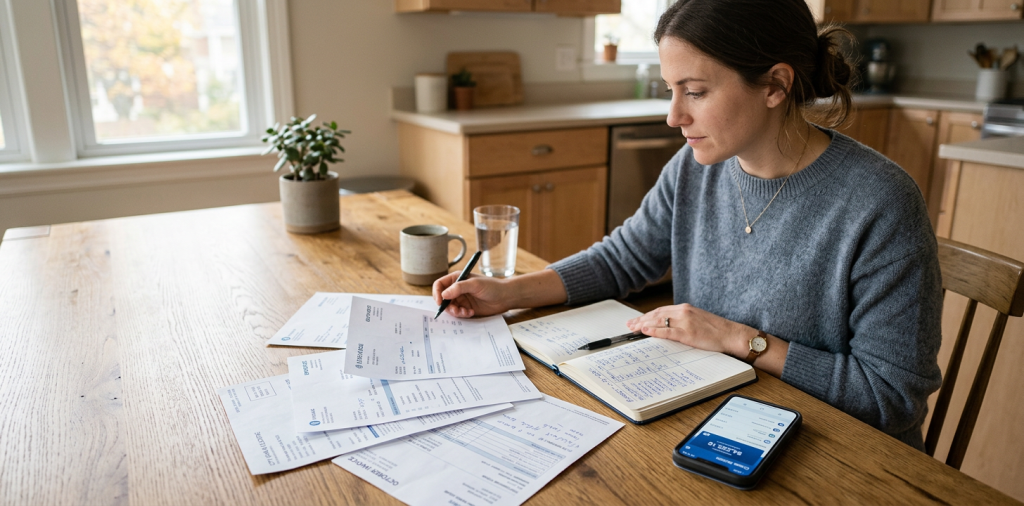
If your paycheck changes from week to week or month to month, budgeting can feel like trying to hit a moving target. One good month can make you feel secure, then the next one reminds you why cash flow matters more than optimism.
The good news is that how to budget on a variable income is less about predicting the future perfectly and more about building a system that can flex without falling apart. Once you stop treating every month like it should look the same, budgeting gets a lot easier.
Start With Your Real Baseline
Before you build any budget, figure out the lowest amount you can reasonably expect to bring in during a typical month. Use your recent income history, then be conservative. If your income comes from freelance work, commissions, tips, seasonal work, or shift-based hours, base your plan on a low but realistic average.
From there, list your essential expenses first:
- Rent or mortgage
- Utilities
- Groceries
- Transportation
- Insurance
- Minimum debt payments
- Basic pet care if you have animals to support
This is your survival budget. Everything else comes after you know this number.
Separate Fixed Costs From Flexible Spending
A variable income budget works best when you divide spending into two buckets. Fixed costs are the bills you must pay. Flexible spending is where you can adjust when income is lower.
That means you should look for places you can scale down without stress:
- Dining out
- Subscriptions
- Entertainment
- Shopping
- Non-urgent upgrades
- Extra travel
If you are also trying to support health goals, this structure helps there too. Meal planning, home workouts, and low-cost routines are easier to maintain when your budget has a flexible zone built in. The same idea works for pet owners who need to cover food, grooming, and vet savings without panicking every time income dips.
Use a Priority-Based Budgeting System
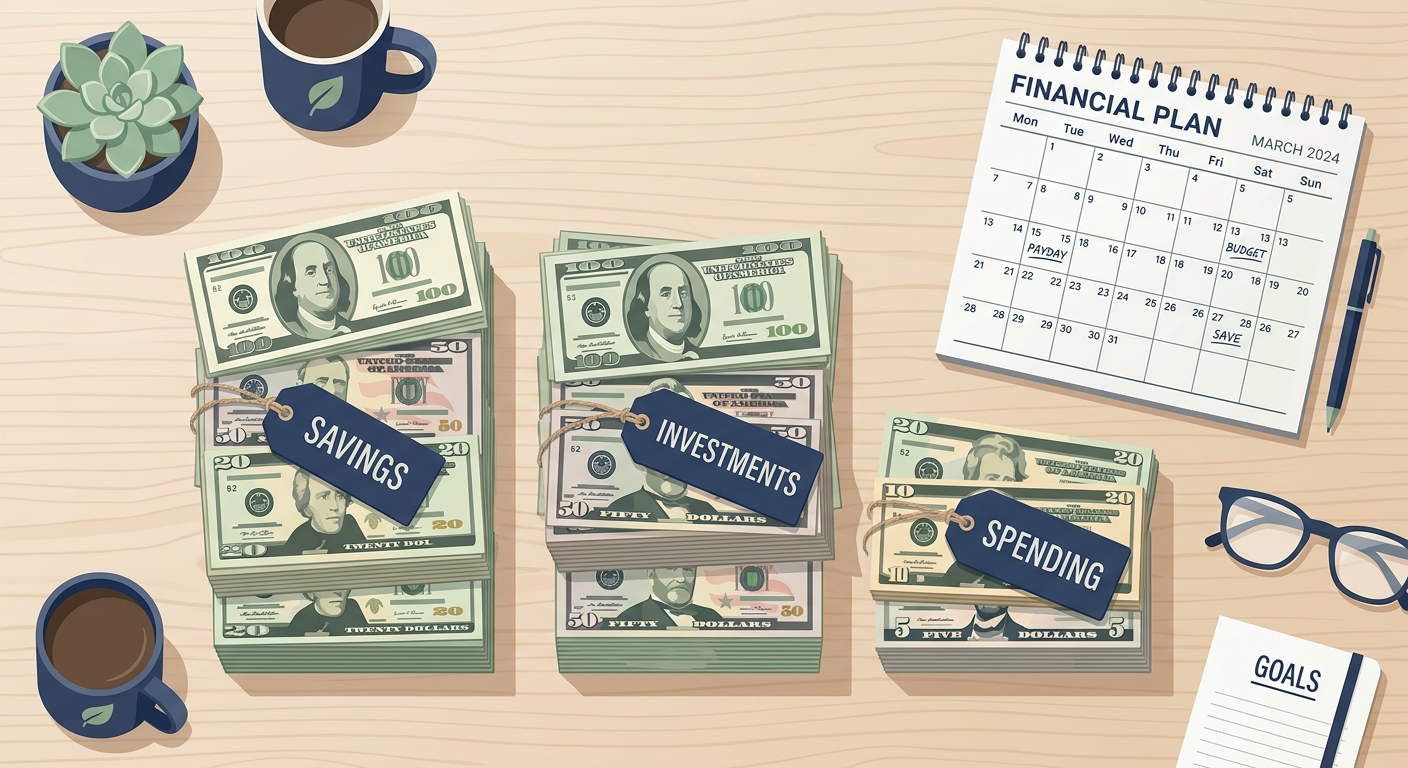
When income is unpredictable, every dollar needs a job. A priority-based budget gives you a clear order:
1. Cover essentials
Pay housing, utilities, food, transportation, insurance, and minimum debt first.
2. Build a buffer
Set aside part of every good month for the bad ones. Even a small cushion helps.
3. Fund future goals
Once essentials and buffer savings are handled, move money toward debt payoff, emergency savings, retirement, or other goals.
4. Spend what is left guilt-free
This is the part many people skip. If you never assign a purpose to leftover money, it tends to disappear.
A simple method is to use percentages instead of fixed dollar amounts. For example, during a strong month, you might allocate more to savings and less to fun spending. During a weaker month, you tighten the flexible categories and protect essentials.
Build a Buffer Month by Month
The most powerful move for variable income is building a small income cushion. Think of it as a mini emergency fund for slow months, not just a fund for real emergencies.
A strong goal is to eventually save one to three months of bare-bones expenses. But if that feels overwhelming, start smaller:
- First goal, $500
- Second goal, one month of essentials
- Third goal, three months of essentials
This buffer makes budgeting calmer because you are not depending on every check to cover every bill immediately. For people balancing health, family, or pet care costs, that stability can reduce stress fast.
Smooth Out Your Cash Flow
One of the smartest tactics for irregular income is to create a payment rhythm that does not depend on payday timing. You can do this by:
- Keeping all bill due dates in one place
- Putting automatic transfers in place after each deposit
- Using a separate account for bills
- Holding back a percentage of every payment for taxes if you are self-employed
If your income comes in chunks, do not spend from each deposit as if it is all available. Assign money in order of priority, and keep the remainder in reserve until you know what the month really looks like.
Track Monthly Minimums, Not Just Averages
Averages can be misleading. What matters is your monthly minimum survival number. That tells you exactly how much income you need to stay stable.
Write down the lowest amount you need for:
- Housing
- Food
- Transportation
- Utilities
- Debt
- Savings contributions
- Basic childcare or pet care if needed
Then compare that number with your lowest likely monthly income. If there is a gap, that is your signal to cut costs, increase earnings, or both.
Use Tools That Match Your Lifestyle
You do not need a complicated system to budget well. In fact, simple usually works better.
Good options include:
- A spreadsheet
- A budgeting app
- A paper notebook
- A calendar with bill reminders
- Separate bank accounts for bills, savings, and spending
The best tool is the one you will actually use. If you are a fitness-focused reader, a weekly money check-in can fit well beside your workout planning. If you are a pet owner, you might pair your budget review with feeding and care routines. If mindfulness helps you stay grounded, a short Sunday money review can become part of your reset ritual.
Plan for Irregular Expenses Before They Surprise You
Variable income gets much easier to manage when you stop treating irregular expenses as emergencies. Some common ones include:
- Car repairs
- Vet visits
- Annual subscriptions
- Holiday spending
- Clothing replacement
- Medical copays
- Business supplies
- Tax payments
Estimate the yearly cost, divide by 12, and save a small amount each month. This prevents the classic budget problem where a predictable expense feels unexpected.
Keep Your Lifestyle Flexible
A variable income budget is not about restriction, it is about adaptability. On strong months, you can accelerate goals. On weak months, you protect essentials and reduce extras.
That flexibility is what makes the system sustainable. You are not failing because income changes. You are just adjusting your plan to match reality.
FAQ
How do I budget if my income changes every week?
Start with your lowest expected monthly income, cover essentials first, and use the rest for savings and flexible spending. Weekly tracking helps you stay ahead of surprises.
What is the best budgeting method for irregular income?
A zero-based or priority-based budget usually works best. Both methods help you give every dollar a job based on your most important needs.
Should I save in high-income months?
Yes. Strong months are your chance to fund slow months, build an emergency cushion, and reduce stress later.
How much should I keep in emergency savings?
Start with a small goal like $500, then work toward one to three months of essential expenses.
How do I handle debt on a variable income?
Always make minimum payments first. Then add extra payments only after essentials and a buffer are covered.
What if I cannot predict my income at all?
Use your lowest recent month as a baseline and build from there. Conservative planning is safer than optimistic planning.
Ready to Make Your Budget Feel Lighter?
If you are tired of money stress taking over your week, now is the time to simplify your system. A flexible budget gives you more control, less anxiety, and a clearer path forward, even when income is uneven.
If you want more practical, reader-friendly guides like this, visit Content Beast for more ideas, tips, and articles that help you stay organized and in control.
Final Takeaway
Learning how to budget on a variable income is really about planning for uncertainty instead of pretending it does not exist. Once you know your essentials, build a buffer, and give every dollar a purpose, your budget becomes much more stable and far less stressful.