
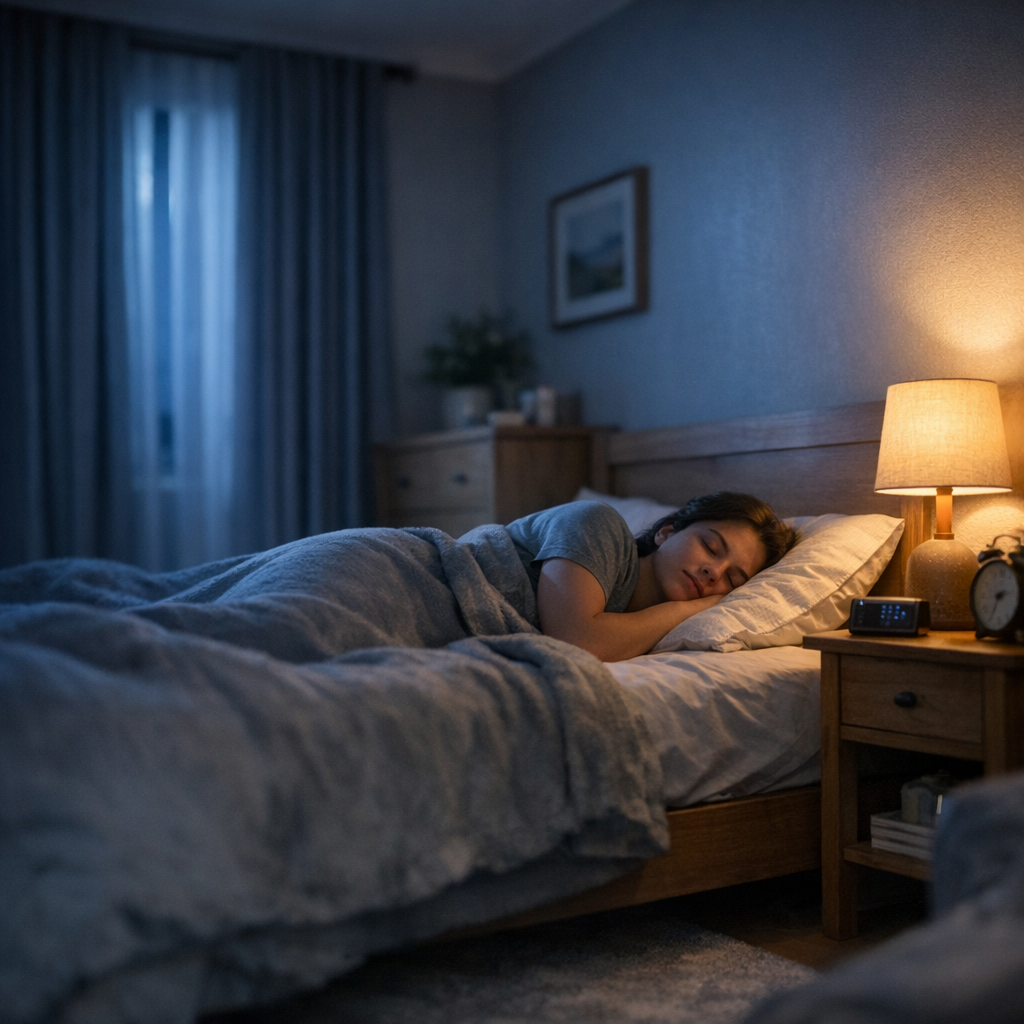
Getting truly restorative deep sleep feels like a switch you flip, but for most people it’s the result of small, consistent habits. In this article you’ll find practical, evidence-informed steps to help you sleep deeper naturally, without pills or expensive gadgets. Whether you’re a fitness enthusiast, a busy professional, or someone chasing better daily energy, these tactics are designed to be realistic and repeatable.
Bolding one tip at the start helps frame the approach: how to improve deep sleep naturally begins with respecting your circadian rhythm and optimizing your bedroom environment.
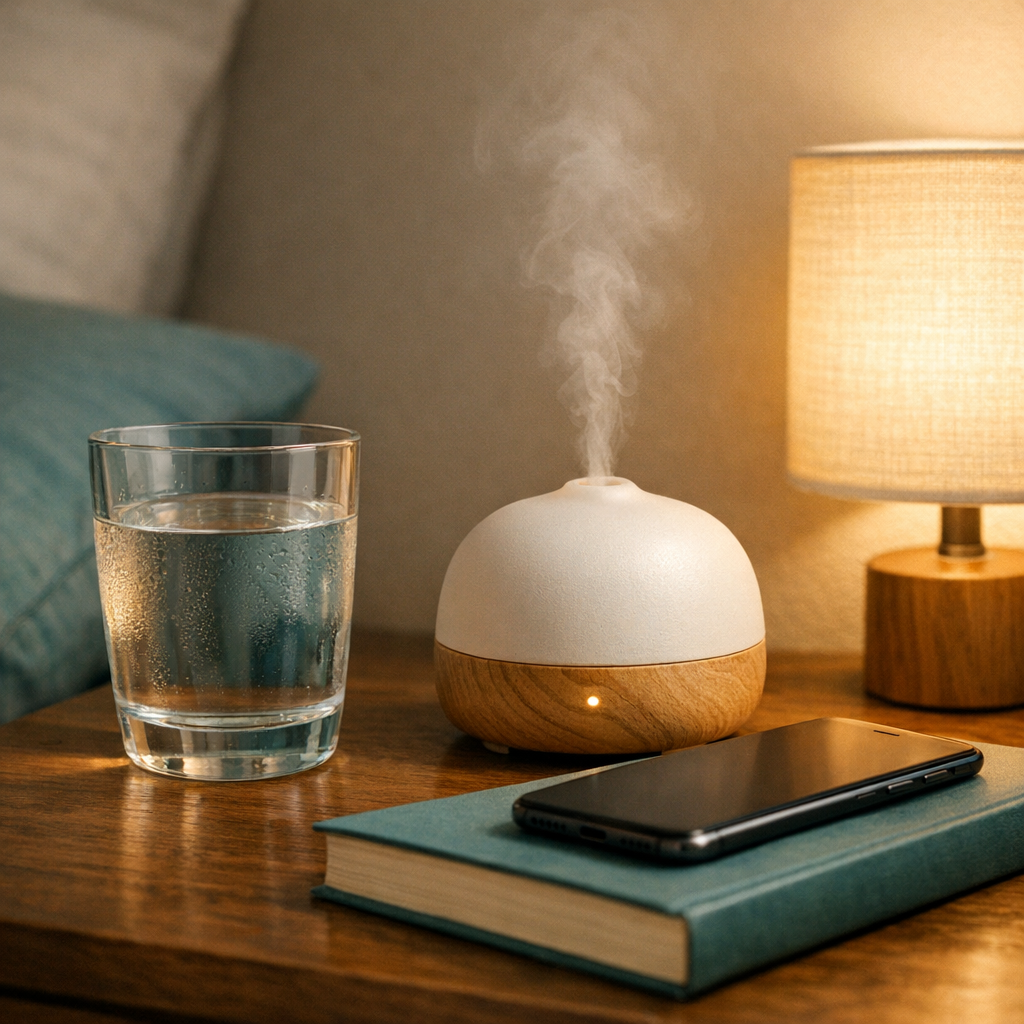
Why deep sleep matters
Deep sleep, sometimes called slow-wave sleep, is when your body repairs muscle and tissue, consolidates key memories, and resets metabolic and immune function. You may wake feeling restored when deep sleep is consistent. Poor deep sleep can leave you groggy, reduce workout recovery, and make stress harder to manage. Several of the strategies below target the core drivers of deep sleep: temperature, circadian cues, stress hormones, and sleep continuity.
How To Improve Deep Sleep Naturally: Daily Habits
1. Prioritize consistent bed and wake times
Your body thrives on routine. Going to bed and waking at the same time every day strengthens your circadian rhythm, which increases the odds you’ll fall into deeper sleep cycles each night. Try to keep a 30- to 60-minute window for both sleep and wake times, even on weekends.
2. Time light exposure strategically
Get bright natural light for 20 to 30 minutes within an hour of waking to anchor your circadian clock. In the evening, dim lights and swap blue-rich LEDs for warm bulbs to signal the body to produce melatonin.
3. Cool your bedroom and manage bedding
Lowering core body temperature helps you enter deep sleep more readily. Aim for a bedroom temperature around 60 to 67 degrees F, use breathable bedding, and consider a short warm shower 60 to 90 minutes before bed to trigger the natural cooling response.
4. Move daily, but avoid late intense workouts
Regular aerobic or resistance training increases slow-wave sleep, however vigorous sessions right before bed can boost adrenaline and body temperature. Finish heavy workouts at least three hours before bedtime.
5. Watch evening food, caffeine, and alcohol
Cut caffeine by mid-afternoon; caffeine can linger 6 to 8 hours or longer in some people. Avoid heavy meals 2 to 3 hours before bed. Alcohol may help you fall asleep faster, but it fragments sleep and reduces deep sleep later in the night.
6. Build a predictable wind-down routine
Rituals tell your brain it’s time to shift states. Options that help lower sympathetic arousal include light stretching, a brief journaling session, reading (paper, not backlit), or a guided body-scan meditation. Try the 4-7-8 breathing technique when your mind won’t quiet down.
7. Use sound and scent thoughtfully
Low-level consistent sounds like pink noise or a fan can mask disruptive noises and support longer deep-sleep segments for some people. Calming scents such as lavender might help reduce anxiety for bedtime, though effects vary.
8. Reduce overnight awakenings
If you wake to check your phone, you can break deep sleep cycles. Keep devices out of reach and use a simple alarm clock. If you need the phone for an alarm, enable Do Not Disturb and a grayscale screen in the evening.
9. Consider targeted supplements cautiously
Some people find short-term benefits from magnesium, melatonin, or adaptogens, but supplements are not a substitute for behavioral change. Talk with your healthcare provider before starting anything, especially if you take medications or have a chronic condition.
10. Manage stress and daytime emotional load
Chronic stress raises cortisol and interrupts slow-wave sleep. Cognitive strategies like brief midday worry-time scheduling, CBT techniques, or regular mindfulness practice can reduce nighttime rumination and help deep sleep return.
11. Track sleep patterns, not obsessively
A sleep diary or a reliable tracker can reveal patterns and progress. Look for trends in sleep duration, consistency, and how rested you feel rather than fixating on one night of poor sleep.
12. Seek professional help when needed
If you snore loudly, wake gasping, or have daytime sleepiness despite good habits, consult a sleep specialist. Conditions like sleep apnea dramatically reduce deep sleep and require medical intervention.
Practical night-by-night plan (example)
- 6:30 AM: Morning sunlight, 10-minute walk.
- 5:30 PM: Finish exercise.
- 7:00 PM: Light dinner, low-caffeine.
- 9:00 PM: Dim lights, warm shower.
- 9:30 PM: Wind-down routine, no screens.
- 10:00 PM: Bedtime (consistent).
Small, consistent adjustments compound over weeks. You’ll often see better deep sleep after 7 to 21 nights of steady routine changes.
Frequently Asked Questions
How long should deep sleep last each night?
Deep sleep typically accounts for 10 to 25 percent of total sleep in healthy adults, but individual needs vary by age and lifestyle. Focus on consistent restorative sleep rather than a specific minute target.
Can exercise increase deep sleep right away?
Yes, regular exercise can increase deep sleep, but timing matters. Morning or afternoon workouts are more likely to help, whereas late-night high-intensity sessions might interfere.
Will cooling the room really help me sleep deeper?
Cooling the core body temperature supports the natural transition into slow-wave sleep. Many people notice improved sleep quality when the bedroom is cool and well-ventilated.
Are sleep trackers accurate for deep sleep?
Consumer trackers estimate sleep stages using movement and heart rate, which can be useful for trends but are not as accurate as polysomnography used in sleep labs.
What if I try everything and still don’t get deep sleep?
If lifestyle changes don’t help after several weeks, especially if you have loud snoring or daytime fatigue, see a sleep specialist to rule out disorders like sleep apnea or restless legs syndrome.
Ready to make deeper sleep part of your story?
If you want a repeatable content plan or better sleep-related content for your brand, explore how ContentBeast helps writers and companies publish consistent, optimized articles faster at https://contentbeast.com. Their tools can help you scale educational content about sleep, wellness, and recovery.
Conclusion
Deep sleep is reachable for most people through consistent habits: regulate light exposure, cool your body and room, manage stress, and keep a steady sleep schedule. These natural strategies improve restorative sleep without heavy reliance on medication. Start with one or two changes, track progress, and build from there. Over time, small wins add up to better recovery, sharper focus, and more energy for the things you care about.