
Travel plans should not break the bank. Whether you need a last-minute weekend escape or are planning a big trip later this year, small timing and strategy changes can cut hundreds from airfare. Below you will find practical tactics, tools, and mindset shifts that make booking cheaper flights repeatable and stress free.
Here’s the thing, when you combine timing, tools, and loyalty tactics you unlock consistent savings. Start with these proven moves and you’ll see how how to save money on flights this year becomes less guesswork and more routine.
Quick Wins: Book Smarter, Not Harder
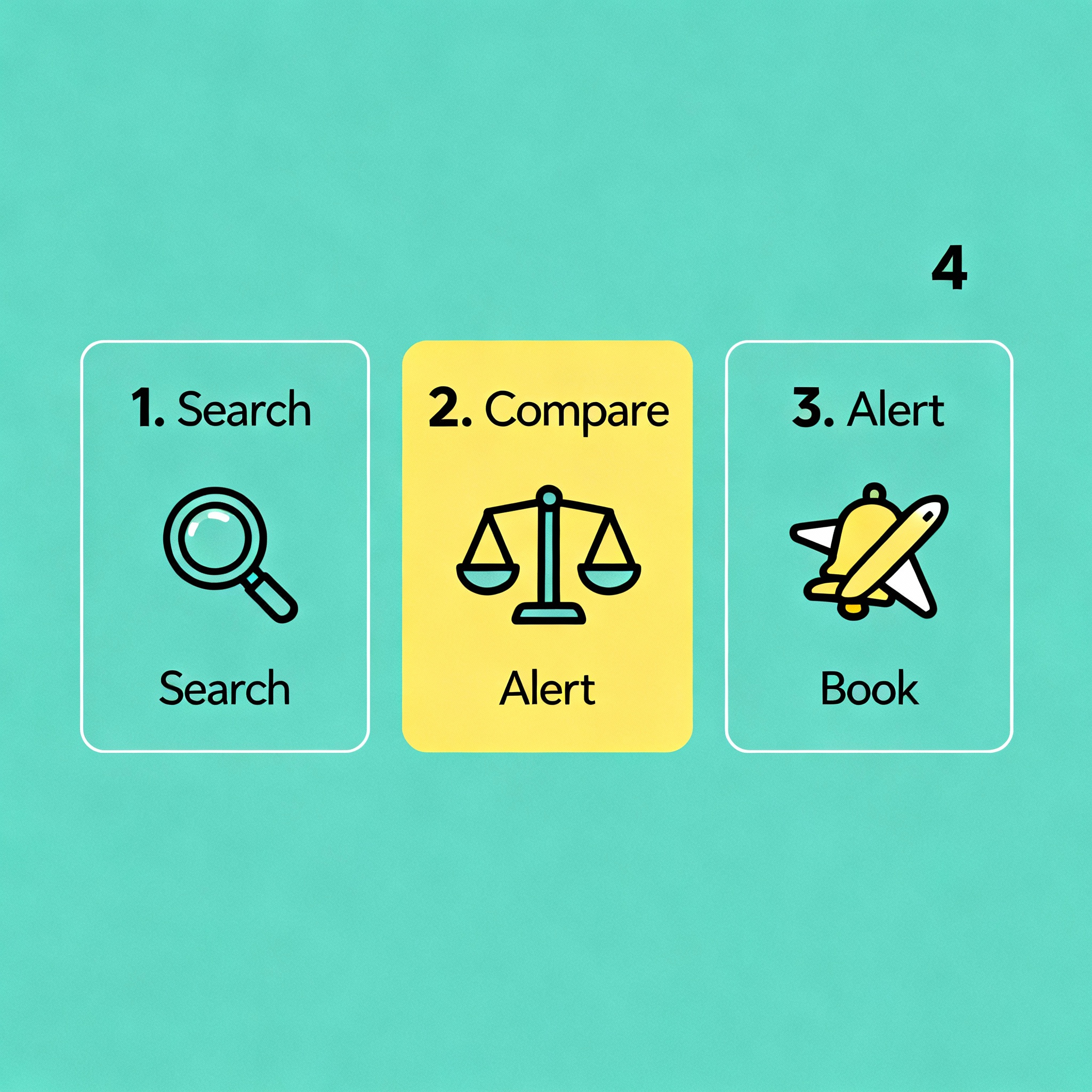
Use flexible-date search tools like Google Flights, Skyscanner, and Kayak to compare ranges instead of single dates. Midweek departures and early-morning or late-night flights often cost less. Be flexible by a day or two and you may save 10 to 30 percent.
Don’t rely on one site. Compare an airline’s website with metasearch engines and a reputable OTAs. Sometimes airlines offer exclusive promo codes, and sometimes OTAs package lower total fares. Cross-check before you click purchase.
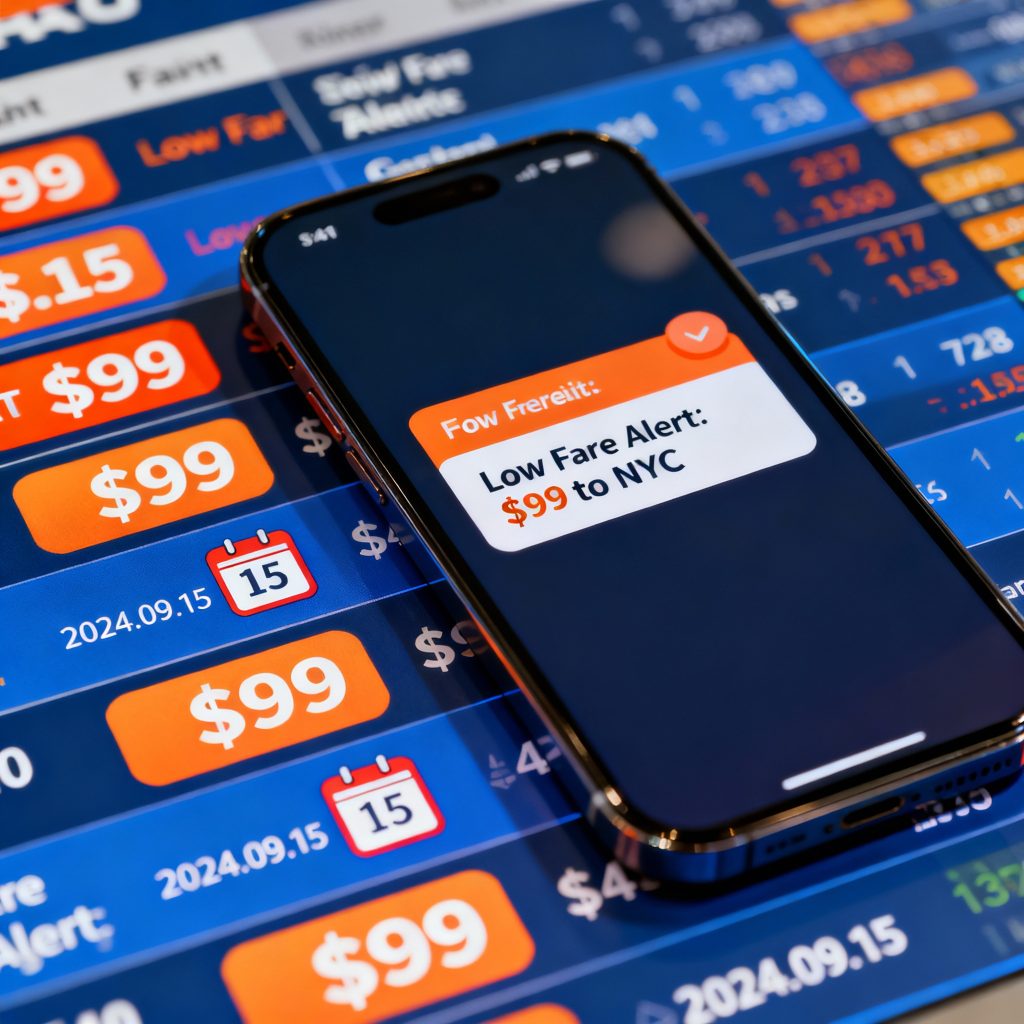
Set fare alerts for your routes and monitor prices for 1–3 weeks before buying. Alerts catch dips you’d miss checking manually. If you find a good fare, book it—flights can rebound quickly.
Strategies That Save the Most
Book at the Right Time (Timing Tips)
There’s no single magic day, but aim to book: 1 to 3 months ahead for domestic U.S. travel, and 2 to 6 months ahead for international flights. For peak holidays, book earlier. Use price history charts to find local minima.
Mix and Match Airlines and Airports
Look at nearby airports and consider outbound and return tickets on different carriers. Open-jaw itineraries and one-way tickets on different airlines can be cheaper than round-trips on one carrier.
Use Points, Miles, and Credit Card Perks
If you travel even occasionally, a travel rewards card can cover taxes and fees or net a free flight. Transferable points provide flexibility across carriers. Always compare cash price vs points value.

Advanced Tactics for Frequent Savers
Trick: Hidden-City and Multi-City Searches (Know the Risks)
Hidden-city searches and throwing away legs can sometimes lower cost, but they carry baggage and policy risks. Use these sparingly and only with carry-on, and never on round-trip tickets.
Error Fares and Flash Sales
Follow communities and newsletters that post error fares and flash sales. If you spot one, act fast and verify the airline’s refund policy in case the fare is canceled.
Consolidators and Specialist Agents
For complex international itineraries, consolidators or specialized agents sometimes have lower fares. Verify reputation and cancellation policies before paying.
Tools & Resources (Use These Now)
- Use flexible search engines: Google Flights, Skyscanner, Kayak
- Set alerts: sign up for fare alerts and newsletters from trusted sites
- Organize with tools: save searches and use calendar views to spot cheap date combinations
FAQs
How far in advance should I book domestic flights?
Aim to book domestic flights 1 to 3 months ahead for best balance of price and availability. For holiday travel, secure your seat earlier.
Are midweek flights always cheaper?
Often yes, Tuesday through Thursday can offer lower fares, but it depends on route and season. Use flexible-date searches to confirm.
Can I trust fare alerts and price trackers?
Yes, they are useful. Combine multiple alerts so you don’t miss dips, and cross-check with airline sites before booking.
Is it worth using travel credit cards for occasional travelers?
If you fly once or twice a year, a card with a helpful sign-up bonus and no foreign transaction fees can still be worth it. Evaluate annual fee vs benefits.
What’s the safest way to use hidden-city tricks?
Hidden-city carries risks: airlines may cancel the rest of your itinerary, and checked bags complicate it. Use only with carry-on and for one-way segments.
How do I find error fares without wasting time?
Follow reputable fare-alert communities and set narrow alerts for specific routes. When an error fare appears, act fast but keep refund policies in mind.
Should I book directly with the airline or through an OTA?
If flexibility and customer service matter during disruptions, booking direct with the airline is safer. If price is king, OTAs sometimes have discounts—compare before buying.
Objections People Have (And How to Overcome Them)
- “I don’t want to spend hours hunting fares.” Use saved searches, alerts, and a single weekly check-in. A small time investment up front saves money automatically.
- “I’m worried about travel disruptions.” Book with refundable options or buy flexible tickets when travel plans are uncertain. Consider travel insurance for expensive international trips.
Take Action: Save On Your Next Flight
Start by running a flexible-date search for your top route, set two fare alerts, and compare the airline’s site before booking. If you want done-for-you content that helps bring readers to travel pages, Marvlus researches trending queries and writes optimized posts that rank and convert. Explore resources and weekly guides at https://marvlus.blog and see examples on the blog and guides pages.
Conclusion
Saving on flights this year is about combining small strategies into a repeatable process: search smart, be flexible, use alerts, and apply rewards when possible. Try two new tactics from this guide on your next booking and you’ll likely see immediate savings. Travel more, spend less, and enjoy the journey.
Ready To Learn More?
If you want articles that bring organic traffic and practical tips like the ones here, check Marvlus for weekly optimized content that ranks and engages: https://marvlus.blog