
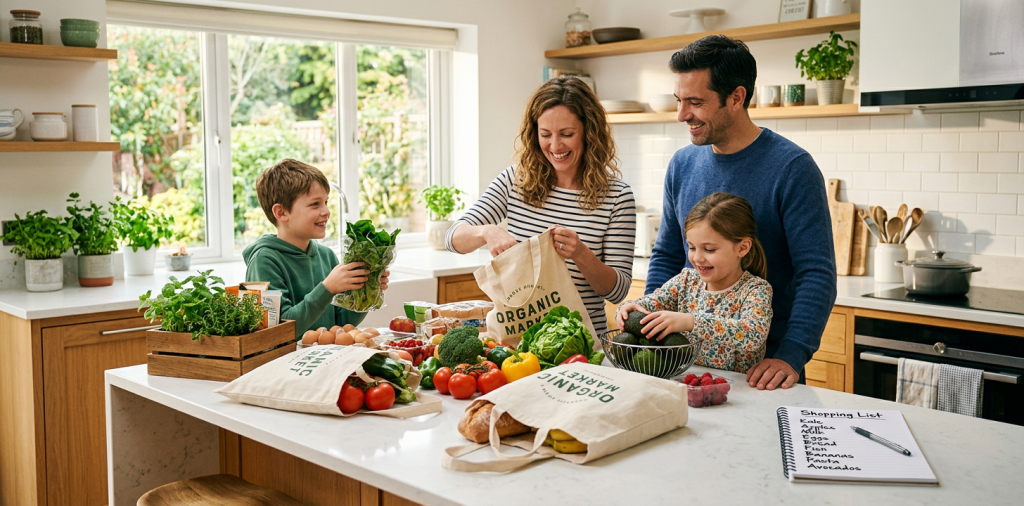
Grocery bills add up fast for families and singles alike, and small changes add up to big savings over a year. If you want to keep your fridge full without draining your wallet, this guide gives clear, practical steps you can start using today.
Below you will find budget-friendly tactics, a weekly planning template, answers to common objections, and a quick FAQ to help you build smarter grocery habits. Early on, try focusing on two or three strategies so you don’t get overwhelmed. One simple habit I started was planning two meals and a batch cook day, and within a month my weekly grocery cost dropped noticeably. Now let’s dig into the tactics you can use right away.
Why saving on groceries matters
- Financial breathing room, you keep money available for savings, fitness, or experiences.
- Less food waste, which is good for your wallet and the planet.
- Better food choices, because a modest budget can still prioritize whole foods with planning.
Core habits that save the most
1) Plan meals and shop with a list
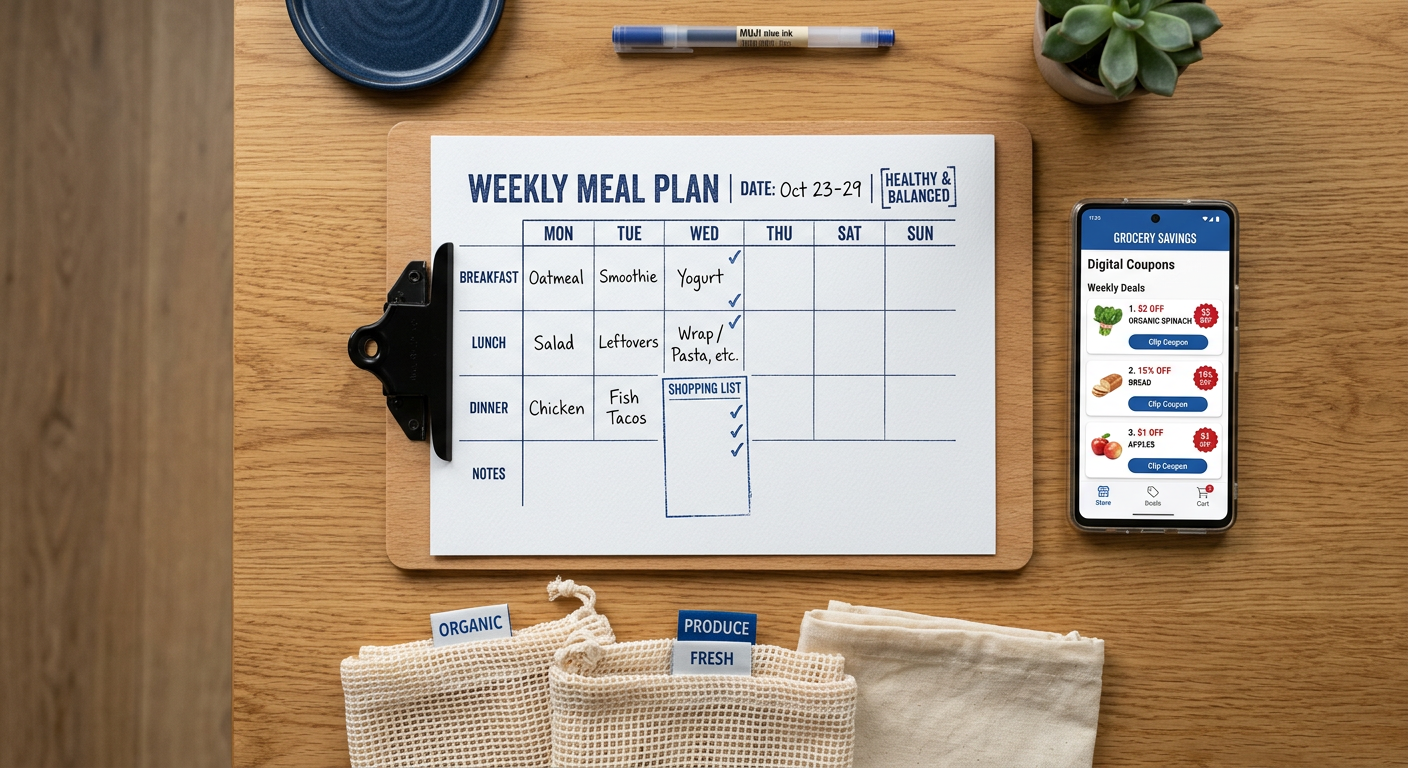
Meal planning prevents impulse buys, reduces waste, and helps you shop only for what you need. Create a 3 to 7 day meal plan, check your pantry, and write a single shopping list organized by store sections.
2) Buy whole, not prepped
Pre-cut vegetables and single-serve meals are convenient, but whole carrots, heads of lettuce, and block cheese cost less per serving. Spend 10 to 20 extra minutes prepping at home and save money weekly.
3) Embrace store brands and compare unit prices
Generic versions are often made by the same manufacturers. Always use the price per ounce or per unit price to compare deals, not just the shelf price.
4) Use coupons and apps strategically
Combine manufacturer coupons, store sales, and cash-back apps. Don’t chase every coupon, focus on items you already buy so savings are real and recurring.
5) Buy frozen and canned smartly
Frozen fruits and vegetables are picked at peak ripeness and can be cheaper than fresh while being just as nutritious. Choose low-sodium canned options and rinse when needed.
6) Shop the outer perimeter first
Produce, dairy, meat, and staples often sit around the store edges. Stick to your list and avoid aisles that tempt impulse processed snacks unless you planned for them.
7) Bulk and unit pricing for staples
Buy rice, beans, oats, and nuts in bulk when you have storage, especially during sales. Check unit pricing and only buy bulk items you will use before they go stale.
8) Time your shopping for sales
Grocery stores have predictable sale cycles. Buying pantry staples during major weekly sales or seasonal promotions lowers your per-meal cost. If you can, plan to stock up on nonperishables during those weeks.
9) Cook in batches and freeze meals
Batch cooking turns raw ingredients into several meals, cutting per-meal time and cost. Double recipes, portion into containers, and freeze for busy weeks.
10) Reduce meat, go plant-forward sometimes
Meat is typically the most expensive meal component. Swap one or two meals per week for beans, lentils, eggs, or tofu to lower the bill without sacrificing protein.
11) Avoid shopping hungry and midweek fatigue
You make fewer impulse buys when you shop after eating. Also, midweek shopping often has fewer crowds, letting you move faster and stick to your list.
12) Keep basics on hand and track prices
A running pantry list prevents accidental duplicate purchases. Track sale prices for items you buy often so you know when a deal is truly a deal.
13) Use loyalty programs, but only when they help
If a store loyalty card gives real discounts on items you already buy, use it. Avoid stores where loyalty tricks you into buying more expensive brands.
14) Grow small staples and DIY where it makes sense
Herbs in a windowsill pot, sprouted beans, or homemade salad dressings save money over time and improve flavor.
15) Leverage cashback and rewards responsibly
Use a cash-back app or a rewards credit card that matches your spending habits, and pay the card in full every month to avoid interest charges.
Weekly grocery plan (simple 7-step template)
- Check pantry and fridge for leftover proteins and veggies.
- Pick 3 dinner recipes and 2 lunches that share ingredients.
- Write a categorized shopping list by section.
- Clip digital coupons and add store sales to your list.
- Shop with reusable bags, water, and a full stomach.
- Batch-cook one meal for later in the week.
- Store leftovers in clear containers labeled with date.
Addressing common objections
Worried meal planning takes too long? Start with two weekly meals and build habits slowly. Think store brands are lower quality? Try one item at a time and compare. Concerned about fresh food spoilage? Buy fewer perishables more often and freeze portions.
Frequently Asked Questions
How much can I realistically save per month?
Most people can save 10 to 30 percent on groceries by combining planning, bulk buys, and reducing impulse purchases. Your mileage depends on current habits and family size.
Are coupons still worth the effort?
Yes, when used for items you already buy. Digital coupons and app-based cash back reduce the sorting work, making savings easier to capture.
Should I shop at discount stores or big chains?
Both can work. Discount stores often have low prices for basics, while big chains run predictable weekly sales. Choose the mix that matches your time and storage capacity.
How do I keep my diet healthy while cutting costs?
Prioritize whole grains, legumes, seasonal produce, and frozen vegetables. Plan protein swaps and watch portion sizes to keep nutrition balanced.
Is buying organic necessary to save money?
Organic items can be more expensive. If budget matters, buy nonorganic for lower-cost staples and consider organic for a few produce items if you prefer.
Can meal delivery or subscription boxes save money?
They can if you value convenience and avoid eating out, but often they cost more per serving than careful grocery shopping and batch cooking.
Next steps you can do this week
- Create a two-meal plan for three days and shop once using a categorized list.
- Test one store brand and one frozen fruit or veggie this week.
- Sign up for one store loyalty program and one cash-back app to see if real savings appear.
Ready to scale your content and systems
If you publish content or manage a blog about budgeting or healthy living, check how consistent publishing and internal linking improve visibility. For tools that automate content planning and publishing, visit ContentBeast to learn about automated blog publishing and optimization.
Action: grow smarter, spend less
If you want reliable content and systems to attract readers and turn tips like these into recurring traffic, explore ContentBeast for automated publishing and SEO workflows at https://contentbeast.com. Implement the grocery habits above, track weekly spending, and iterate for steady savings.
Conclusion
Saving on groceries is mostly habit, planning, and smart choices. Start with one or two tactics from this list, measure your weekly spending, and add more strategies over time. The small, consistent changes add up, and within a few months you will notice both lower bills and less food waste. Happy saving and smarter shopping.