
Learning to manage your money is one of the smartest life skills you can build. It doesn’t have to be complicated, and it won’t take long to get started if you follow a few practical steps. In this guide you’ll get clear, doable actions to set up a budget, stick with it, and reach small wins fast.
Once you read the first section, you’ll understand the basics and how to adapt them to your life. This article focuses on practical tools and habits for absolute beginners, and it shows how how to start budgeting for beginners can be simple, realistic, and sustainable.
Why budgeting matters, in plain terms
Think of a budget as a plan that tells your money where to go, rather than wondering where it went. That clarity reduces stress, helps you reach goals like an emergency fund or a vacation, and builds momentum for bigger wins such as paying off debt or investing. Here’s the thing, many people avoid budgets because they think it means “no fun.” A practical budget includes room for enjoyment, so you stay consistent.
Quick checklist to get started today
- Know your monthly take-home pay, after taxes and deductions. If you’re paid irregularly, use a recent average.
- Track everything you spend for 30 days, even small purchases like coffee and subscriptions.
- Choose a simple budgeting method you can stick with, such as the 50-30-20 rule or a zero-based budget.
- Set one short-term goal (emergency fund of $500 or $1,000) and one 6–12 month goal (pay off one credit card, save for an exam, etc.).
- Automate savings where possible and review your budget monthly.
If you want a deeper look at common budgeting frameworks, see practical resources from NerdWallet and Britannica that explain systems like the 50-30-20 rule and zero-based budgets.
Step-by-step: Make your first budget
1. Calculate your true monthly income
Start with take-home pay after taxes, health insurance, and retirement contributions. If you get paid twice a month or weekly, convert to a monthly figure. This is the pie you will divide.
2. List fixed and variable expenses
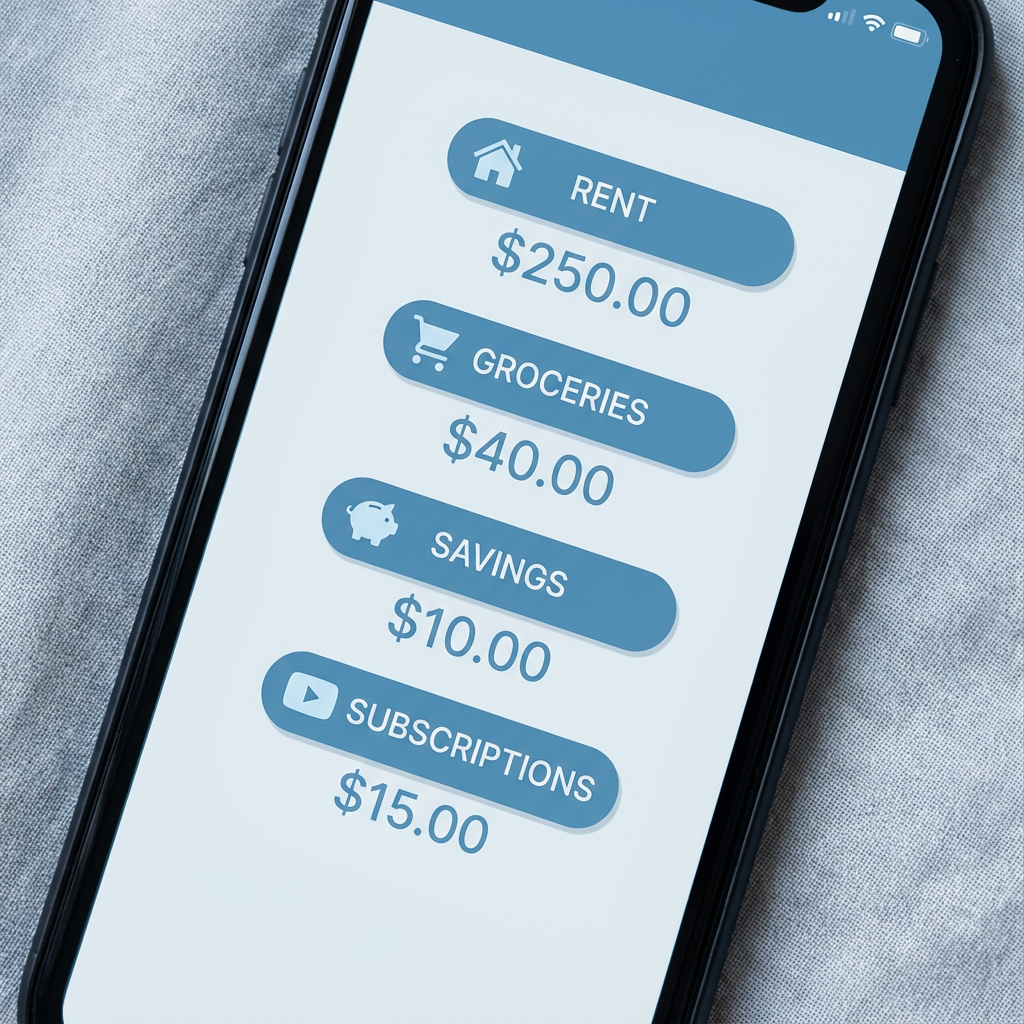
Fixed expenses are the non-negotiables: rent or mortgage, insurance, loan payments, utilities. Variable expenses change month to month: groceries, gas, dining out, and entertainment.
3. Pick a simple budgeting framework
- 50-30-20: 50% needs, 30% wants, 20% savings and debt repayment. Good for beginners who want a fast guideline. See an explanation at Britannica and Kiplinger.
- Zero-based budget: Every dollar has a job. You allocate income to expenses, savings, and debt until nothing is left unassigned. Great for control-focused people.
- Envelope method: Use physical envelopes or digital categories for cash spending. Useful if you overspend on certain categories.
Choose one and test it for two months, then adjust.
4. Track spending and adjust
Use a spreadsheet, a budgeting app, or just pen and paper. Track for a month, categorize every purchase, and compare totals to your plan. If you overspend in groceries, either cut the category next month or reallocate from a want.
5. Automate the hard parts
Automate transfers to savings, bill payments, and retirement contributions. Automation makes consistency easy and removes decision fatigue.
6. Build these three money cushions
- Small emergency fund, $500 to $1,000, quick wins that stop small shocks from derailing you. If you can, aim for 3 months of essential expenses eventually.
- High-interest debt payoff plan, focusing on the highest-interest balances first.
- Automated retirement contributions, at least to any employer match.
Common beginner roadblocks and how to handle them
- “I don’t make enough to save.” Start very small. Even $25 a paycheck builds momentum. If necessities consume most income, prioritize emergency savings and look for ways to reduce a single big expense.
- “Budgets are boring.” Make a reward category. Budget for one small treat each month so you don’t feel deprived.
- “My income varies.” Use a baseline of your lowest typical monthly income, or build a rolling average. Put windfalls into savings or debt repayment rather than immediate spending.
Tools and apps worth trying
You don’t need a paid tool to succeed, but apps can speed things up. For straightforward guides and templates, NerdWallet offers strong step-by-step templates and tools. Choose tools that match your comfort level: spreadsheet, simple app, or bank features that auto-categorize transactions.
Small habits that improve your budget fast
- Check your budget every Sunday for 10 minutes. Small course corrections beat monthly surprises.
- Cancel one subscription you rarely use.
- Pack lunch twice a week and reallocate saved money to your savings goal.
FAQs
How much should beginners save each month?
Aim for a small initial emergency fund first, $500 to $1,000. After that, target 10 to 20 percent of your take-home pay toward savings and debt, adjusting to your circumstances and goals.
Is the 50-30-20 rule realistic for everyone?
It’s a useful guideline, but not a one-size-fits-all solution. High housing costs or other obligations can make 50% for needs unrealistic. Use it as a starting point and adapt as necessary.
What’s the easiest way to track spending?
Start with one method you’ll actually use, such as a tracking app, your bank’s transaction list, or a simple spreadsheet. The key is consistency for at least 30 days.
Should I budget weekly or monthly?
Monthly budgets work well for most people, but weekly check-ins help keep you on track. If your pay schedule is weekly, consider a weekly sub-budget aligned to monthly goals.
How do I budget when I’m paid irregularly?
Calculate a conservative monthly average based on recent months, prioritize essentials, build a buffer in savings, and direct extra income to goals when it arrives.
When should I revisit and change my budget?
Revisit at least every three months, or after a life change such as a move, new job, a new baby, or a major purchase.
Ready to take control of your money?
Start with one small action today: track every expense for the next 7 days. That simple habit reveals quick wins and gives you momentum. When you’re ready for templates, examples, and content that helps you publish quality articles and guides, visit https://contentbeast.com for more resources and content services.
Conclusion
Budgeting doesn’t have to be an overnight overhaul. Begin with simple tracking, pick a framework that fits your life, automate savings, and set one achievable goal. Over time these small habits compound into financial confidence and more freedom. Remember, the goal is progress, not perfection. Pick one small step now and build from there.