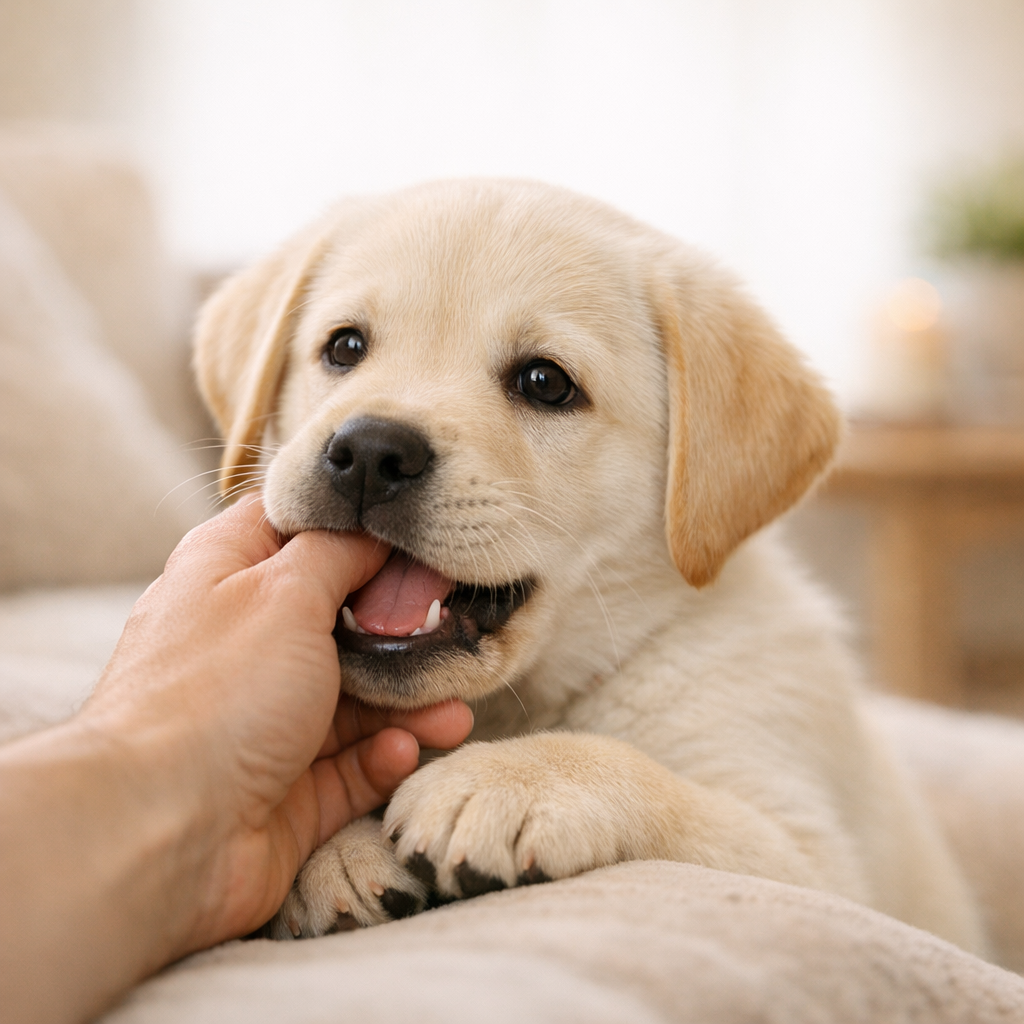
Puppy nipping is one of the most common frustrations new dog owners face. It feels personal at first, but with consistent techniques you can teach a gentle mouth and manageable behavior in weeks, not months.
Practical Puppy Biting Solutions work by combining bite inhibition, redirection, and consistent boundaries so your puppy learns safe ways to play and communicate. Below are nine realistic, step-by-step strategies you can start using today.
Why puppies bite, and what to expect
Puppies explore the world with their mouths. Mouthing helps them learn, interact with littermates, and relieve discomfort during teething. That said, it can be redirected and shaped. Expect setbacks, short regressions, and lots of practice. The goal is safe, predictable behavior rather than instant perfection.
Nine practical strategies that work
1. Teach bite inhibition using a yelp
When a puppy bites too hard during play, let out a short, high-pitched yelp, then pause play for 10 to 30 seconds. This mimics how littermates teach soft mouths and helps your puppy link hard bites with losing fun.
2. Redirect to appropriate chew toys
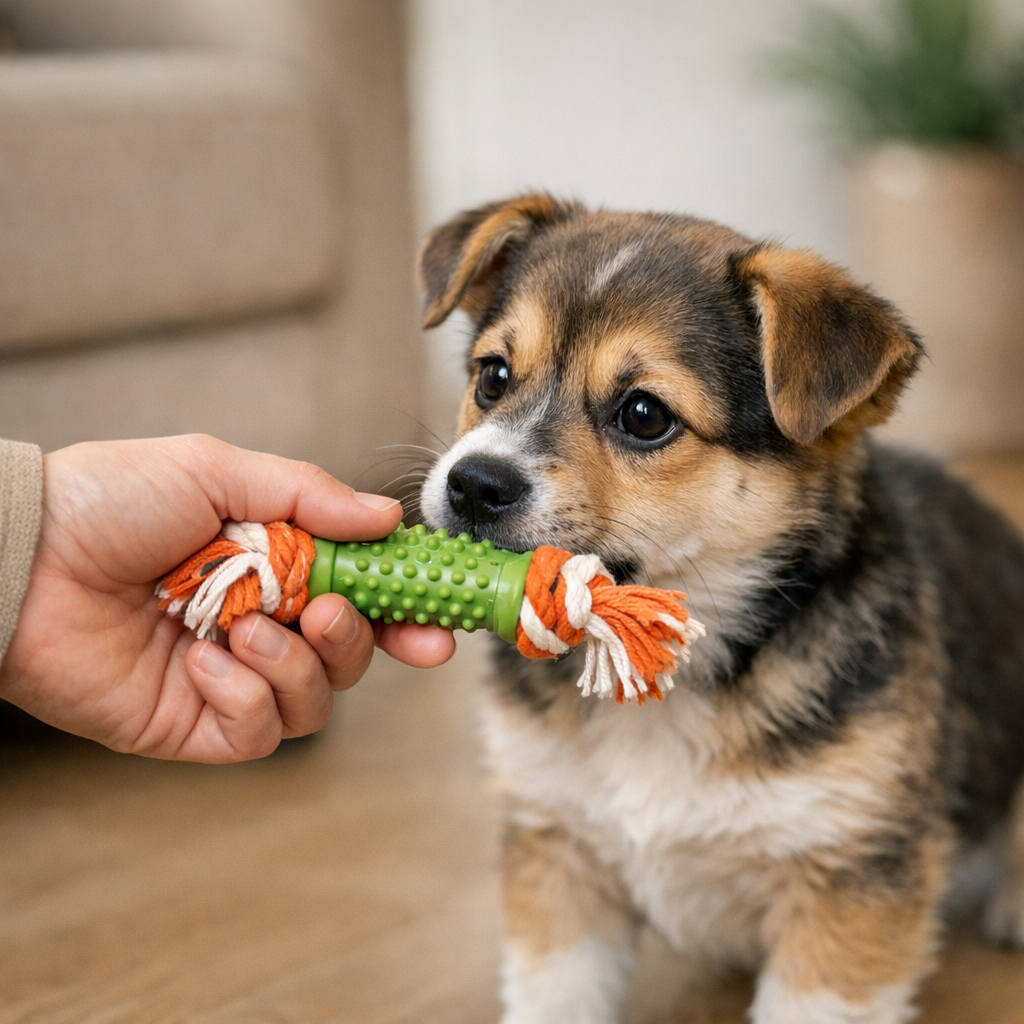
Always have a variety of safe chew toys ready. When your puppy mouths your hand or clothes, calmly swap in a toy, praise when they bite the toy, and repeat. Over time the puppy learns what is acceptable to chew.
3. Stop play and ignore attention-seeking nips
If biting is attention-seeking, immediately stop play and walk away for a short timeout. No yelling, no pushing, just neutral withdrawal of attention. This teaches that gentle play keeps you present.
4. Reinforce calm hands-on handling
Practice gentle handling exercises: touch paws, ears, and mouth while rewarding calm behavior with treats. Gradual desensitization reduces defensiveness and helps your puppy accept exams from vets and groomers without reactive biting.
5. Use chew-appropriate routines around teething
During teething, freeze soft chew toys or use chilled rubber rings to soothe gums. Rotate toys so novelty stays high. This reduces frustration-driven mouthing and displaces biting onto appropriate objects.
6. Teach an easy alternative cue like "gentle"
When your puppy mouths softly, mark the behavior with a cue like "gentle" and reward. Reinforce the cue consistently so the puppy learns a clear, rewarded alternative to hard mouthing.
7. Manage the environment proactively
Limit unsupervised access to tempting items like shoes or hands by using baby gates, pens, or a crate for short periods. Management prevents practice of unwanted behaviors while you train more helpful responses.
8. Socialize with vaccinated, well-mannered dogs
Supervised play with tolerant adult dogs and well-socialized puppies teaches appropriate bite pressure. Always supervise and step in if play becomes too rough. Social learning is powerful when controlled.
9. Be consistent, patient, and reward progress
Training succeeds when every household member follows the same rules. Praise, short training sessions, and predictable routines make learning faster. Track small wins and celebrate steady improvement.
Handling common objections
What if my puppy bites out of fear? Use slow desensitization, pairing gentle touch with high-value treats. If you suspect aggression rather than mouthing, consult a certified trainer or veterinary behaviorist.
Is it okay to use corrections? Avoid physical punishment. It can increase fear and worsen biting. Use withdrawal of attention, redirection, and positive reinforcement instead.
How long will it take? Most puppies show measurable improvement in 2 to 6 weeks with consistent practice, though some breeds or individual dogs need longer.
Short training plans you can start this week
7-day bite-inhibition micro plan
- Day 1: Prepare toys and practice the yelp-and-pause method during supervised play. 5 to 10 minutes twice daily.
- Day 2: Add redirection drills, swapping hands for toys. Reward each successful swap.
- Day 3: Introduce calm handling exercises with treats, 5 minutes each session.
- Day 4: Practice the "gentle" cue during chewing and play.
- Day 5: Short supervised playdates with a calm adult dog or well-socialized puppy.
- Day 6: Reinforce routines, rotate toys, and offer chilled chews if teething.
- Day 7: Evaluate progress, note triggers, adjust management tools.
Frequently asked questions
When should I worry about biting that continues beyond puppyhood?
If biting persists past 6 months or escalates in intensity, seek a professional trainer or veterinary behaviorist. Persistent, hard biting may indicate anxiety, fear, or frustration.
Can redirecting to toys confuse my puppy about what is allowed?
Not if you are consistent. Always offer a toy as soon as mouthing starts and reward the puppy for taking it. Consistency teaches clear boundaries quickly.
Is muzzling a long-term solution?
Muzzles can be a safe short-term management tool but should be paired with training. Proper fit and positive association are essential. Muzzles do not replace behavior modification.
My puppy bites when excited, what do I do?
Slow down play intensity. Use calm voices and shorter play sessions. Reward low-energy interactions and practice impulse-control games like "sit" before play starts.
How do I teach kids to interact safely with a puppy?
Teach children to stay still when a puppy mouths, to offer toys, and to respect timeouts. Supervise all interactions and model calm, predictable responses.
Ready to stop the biting? Get help now
If you want a clear training roadmap or personalized support, visit https://contentbeast.com for resources and expert-written guides. Small, consistent steps make a huge difference.
Conclusion
Puppy biting is normal, but it is also highly teachable. Use bite inhibition, redirection, consistent rewards, and careful management to shape safer behavior. Stay patient, keep sessions short, and celebrate progress. With the right plan, your puppy will learn how to use its mouth gently and enjoy a lifetime of better behavior.