

Saving money gets a lot easier when you stop treating it like a giant life overhaul. Most people do not need a perfect spreadsheet or a dramatic no-spend challenge to make progress. What they need is a few practical ways to save money daily that fit into real life, even when work is busy, kids are loud, and the grocery bill keeps creeping up.
The good news is that small decisions can add up fast. If you make a few smarter choices every day, you can build breathing room without feeling like you are constantly saying no to yourself. That is the real goal, a system that works quietly in the background while you keep living your life.
Start With the Spending You Do Automatically
A lot of money disappears through habits, not big splurges. Think coffee runs, app purchases, delivery fees, and the extra item you toss in the cart because it feels harmless. The fastest wins usually come from noticing what you do on autopilot and changing just one or two routines.
Try making one daily rule, like waiting 10 minutes before any nonessential purchase or checking your wallet before leaving the house. That little pause can stop impulse spending without making you feel restricted.
Use a simple daily money check-in
You do not need to track every penny forever. Just spend 2 minutes each day checking what went out, what is coming up, and whether today’s spending matched your priorities. This keeps you aware, which is often enough to prevent drift.
Make Food Spending Work Harder
Food is one of the easiest places to save money daily because it involves repeat decisions. If you eat out often or buy lunch on the go, even one changed habit can create meaningful savings over a month.
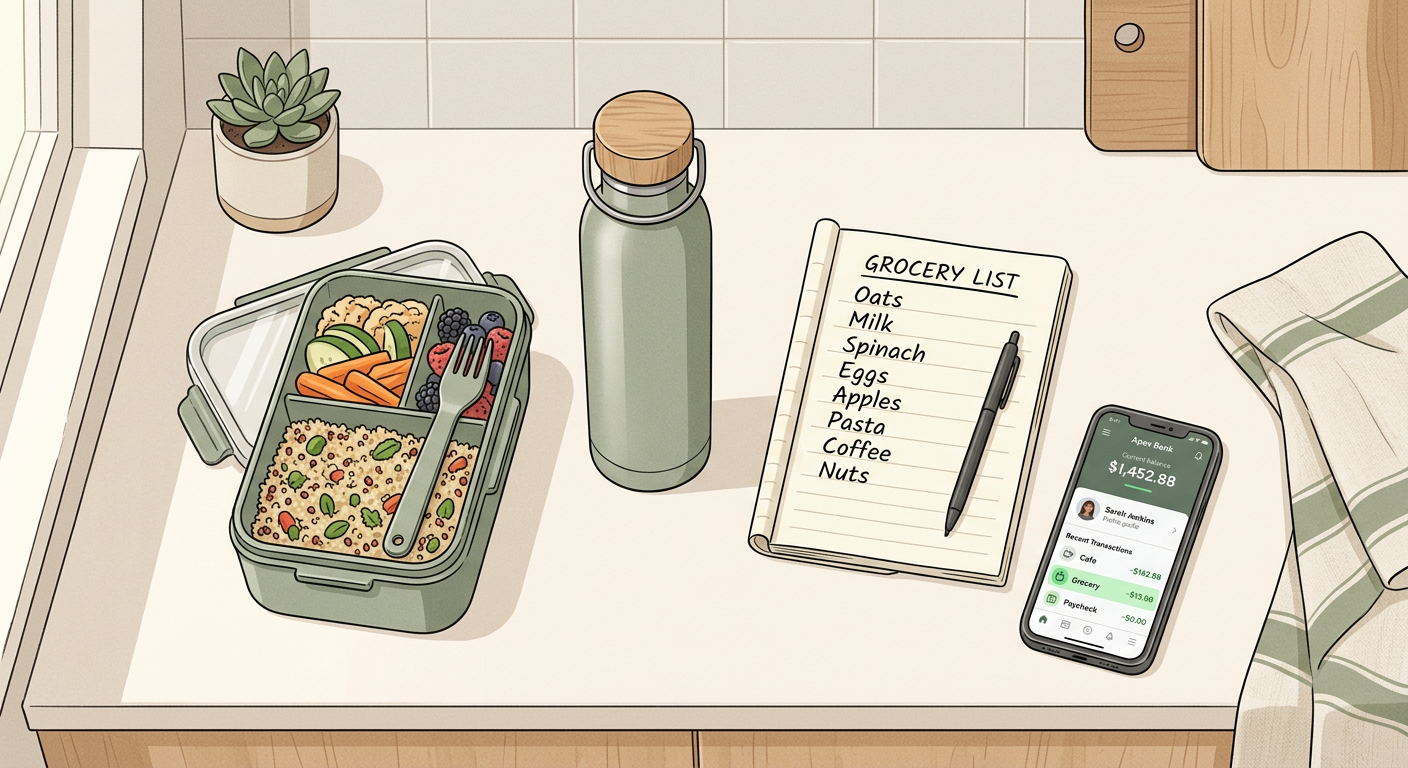
Pack lunch a few days a week, keep easy breakfasts at home, and build a grocery list before shopping. Planning does not have to be elaborate. It just needs to be consistent enough to reduce waste and last-minute takeout.
Build meals around what you already have
Before shopping, look in your fridge, freezer, and pantry. You will save more by using what you already bought than by chasing a perfect recipe with six new ingredients. This also helps reduce food waste, which is money you have already spent.
Cut Transportation Costs in Small Ways
If you drive every day, transportation can quietly eat into your budget. A few routine changes can lower costs without making your schedule harder.
Combine errands into one trip, keep tires properly inflated, and avoid unnecessary idle time. If you can walk, bike, or use transit for a short trip, you may save on gas, parking, and wear and tear all at once.
Rethink the “convenient” trip
Sometimes the most expensive option is the one that feels easiest in the moment. A quick drive to grab one item can cost more than the item itself once fuel and impulse purchases get added in. When possible, batch your errands and make the trip count.
Lower Bills With Everyday Habits
Bills are not always fixed. Even if you cannot change the full amount today, you can often change how much you use.
Turn off lights in empty rooms, unplug unused chargers, reduce heating or cooling slightly, and run full loads in the dishwasher or laundry. These may feel small, but they are classic daily habits that lower utility costs over time.
You can also review subscriptions and auto-renewals once a week. A service you forgot about is not a savings strategy, it is just silent spending.
Shop More Intentionally
A smarter shopping routine can save more than a coupon ever will. Before buying, ask whether the item solves a real problem, replaces something broken, or just looks useful right now.
Compare unit prices, wait for sales on non-urgent purchases, and avoid shopping when bored or stressed. Emotional spending is real, and it is much easier to resist when you recognize the trigger.
Give Yourself Low-Cost Alternatives
Saving money daily gets easier when you do not feel like you are giving up everything fun. Replace expensive defaults with simpler versions you still enjoy.
That could mean making coffee at home a few days a week, choosing free workouts, borrowing books instead of buying them, or planning a movie night at home. The point is not to remove joy, it is to make joy cheaper.
Make Saving Automatic
One of the best practical ways to save money daily is to move the decision out of your hands. Automating even a small transfer can help you build momentum without relying on willpower.
Set up a daily or weekly transfer into savings, even if it is just a few dollars. Over time, that becomes a habit, and habits are much more reliable than motivation.
Pair savings with a specific goal
Saving feels more meaningful when it has a purpose. A pet emergency fund, a vacation, a new mattress, or a cushion for bills gives your effort direction. When the goal is clear, you are more likely to stick with it.
Practical Daily Money Habits for Different Lifestyles
Different routines call for different savings tactics. A fitness-focused person might save by meal prepping and reducing smoothie shop visits. A pet owner might save by buying food in bulk and maintaining preventive care. Someone focused on better sleep or mindfulness might save by building relaxing at-home routines instead of defaulting to costly convenience buys.
The key is not copying someone else’s system. It is choosing the habits that fit your life and repeating them often enough to matter.
FAQ
What is the easiest way to start saving money daily?
Start with one habit you repeat every day, like packing lunch, skipping one impulse purchase, or checking your spending for two minutes. Small wins are easier to stick with than major overhauls.
How much money can daily saving habits really add up to?
A little goes a long way when the habit is consistent. Cutting a daily expense of just a few dollars can create real monthly savings, especially when combined with other changes.
Do I need a budget to save money?
Not necessarily. A budget helps, but many people start by simply reducing the most common leaks, like food delivery, convenience purchases, and unused subscriptions.
How do I stop impulse spending?
Add friction. Wait before buying, remove saved payment details, unsubscribe from promotional emails, and avoid shopping when you are tired or stressed.
What if my income is already tight?
Focus on the smallest controllable expenses first. Even modest changes can help create stability, and the habit of saving is valuable on any income level.
Is it better to save a little every day or a larger amount once a month?
Either can work. What matters most is consistency. Daily savings habits are useful because they keep money top of mind and make progress feel more immediate.
Build Your Savings Without Making Life Miserable
You do not need to be extreme to get ahead. The smartest savings strategy is usually the one you can keep doing on a normal Tuesday, when life is busy and your energy is low.
Start with a few easy changes, stay consistent, and let the results build quietly. That is how practical money habits turn into real financial breathing room.
Ready to Make Saving Easier?
If you want more smart, practical tips that fit real life, keep exploring at Content Beast. A few better daily decisions can create a much stronger financial future than one big effort you cannot maintain.
For more ideas, inspiration, and everyday strategies, visit Content Beast and keep building habits that actually stick.