

You only need 15 minutes to change how you feel for the whole morning. Small, consistent habits—light, movement, hydration, and targeted breathwork—stack to produce alertness, mood lift, and steady energy without relying on sugar or extra caffeine.
Here’s a compact plan you can do every day, even on rushed mornings. Follow the step-by-step routine below and you’ll notice more focus, fewer energy dips, and a calmer start to your day. The phrase quick 15 minute morning routine for energy will show up naturally as you scan the steps; use it as your mental shortcut to stick with the practice.
Why 15 minutes works
You don’t need an hour to feel different. Fifteen minutes is long enough to:
- Turn on your nervous system with light and movement
- Rehydrate and reawaken digestion
- Shift mindset with breath or brief journaling
Research shows short bouts of outdoor movement and morning light boost alertness and mood, and even brief activity bursts raise metabolic rate. For light and alertness, daytime exposure to higher-energy light supports wakefulness and cognitive function. For hydration, a single glass of water after waking helps replenish overnight fluid loss and can improve focus. For caffeine timing, many experts note that delaying coffee until after this wake-up window can make the stimulant more effective later in the morning. (See external links in the resources below.)
The routine, minute by minute (total 15 minutes)
Minutes 0–2: Wake, hydrate, open the curtains
- Sit up or stand and drink 8–12 ounces of water. Hydration helps restore circulation and brain function after sleep. Keep the water cool but comfortable.
- Open curtains or step to a window for natural light. Even 1–2 minutes of bright light signals your circadian system to wake up.
Why this matters: Mild dehydration reduces attention and energy, and morning light helps suppress sleepiness and align your internal clock. For practical hydration guidance, Mayo Clinic and dietitian resources recommend starting the day with fluid and monitoring overall daily intake.
Minutes 2–6: Gentle movement to raise heart rate
- Do a 3 to 4 minute movement circuit: 30 seconds of bodyweight squats, 30 seconds of marching or high knees in place, 30 seconds of push-ups (or incline push-ups), 30 seconds of standing hip openers. Repeat once.
Why this matters: Short movement bursts increase circulation and oxygen delivery to the brain. Studies on brief activity and “exercise snacks” show that even 10–15 minute targeted sessions boost energy and mood.
Minutes 6–9: Mobility and breathwork
- Spend 2–3 minutes moving through gentle neck rolls, shoulder circles, and a forward fold to decompress the spine.
- Finish with 60 seconds of box breathing: inhale 4, hold 4, exhale 4, hold 4. Repeat twice.
Why this matters: Mobility reduces stiffness from sleep and breathwork calms cortisol spikes while improving focus. Breath techniques can produce immediate calm and improved clarity.
Minutes 9–12: Intent-setting or micro-journaling
- Spend 2–3 minutes writing one line: your top priority for the day and one small win you want. If you prefer, say it aloud.
Why this matters: Setting a single clear priority reduces decision fatigue and primes motivation. A short mental rehearsal makes you more likely to act.
Minutes 12–15: Optional quick energizer and prep
Choose one: 60 seconds of stair climbs or a brisk 3-minute outdoor walk, or make a simple high-protein breakfast like Greek yogurt with nuts and berries.
Why this matters: A short burst of effort or a protein-rich snack stabilizes blood sugar and carries energy into the morning. If you want caffeine, wait 30–60 minutes after waking to get the best bang for your cup, though personal preference matters.
Quick variations for different goals
If you want more focus before a meeting
- Replace the 3-minute brisk walk with 2 minutes of silent focused breathing and one-minute posture resets. Drink water, skip coffee until after your call if possible.
If you want a stronger workout
- Swap the 4-minute movement circuit for a 10-minute HIIT session twice a week: alternating 40 seconds hard effort and 20 seconds rest for five rounds.
If mornings are rushed with kids/work
- Shorten the routine to minutes 0–6: hydrate, light, and a 3-minute movement burst you can do by the sink.
Practical tips to make it stick
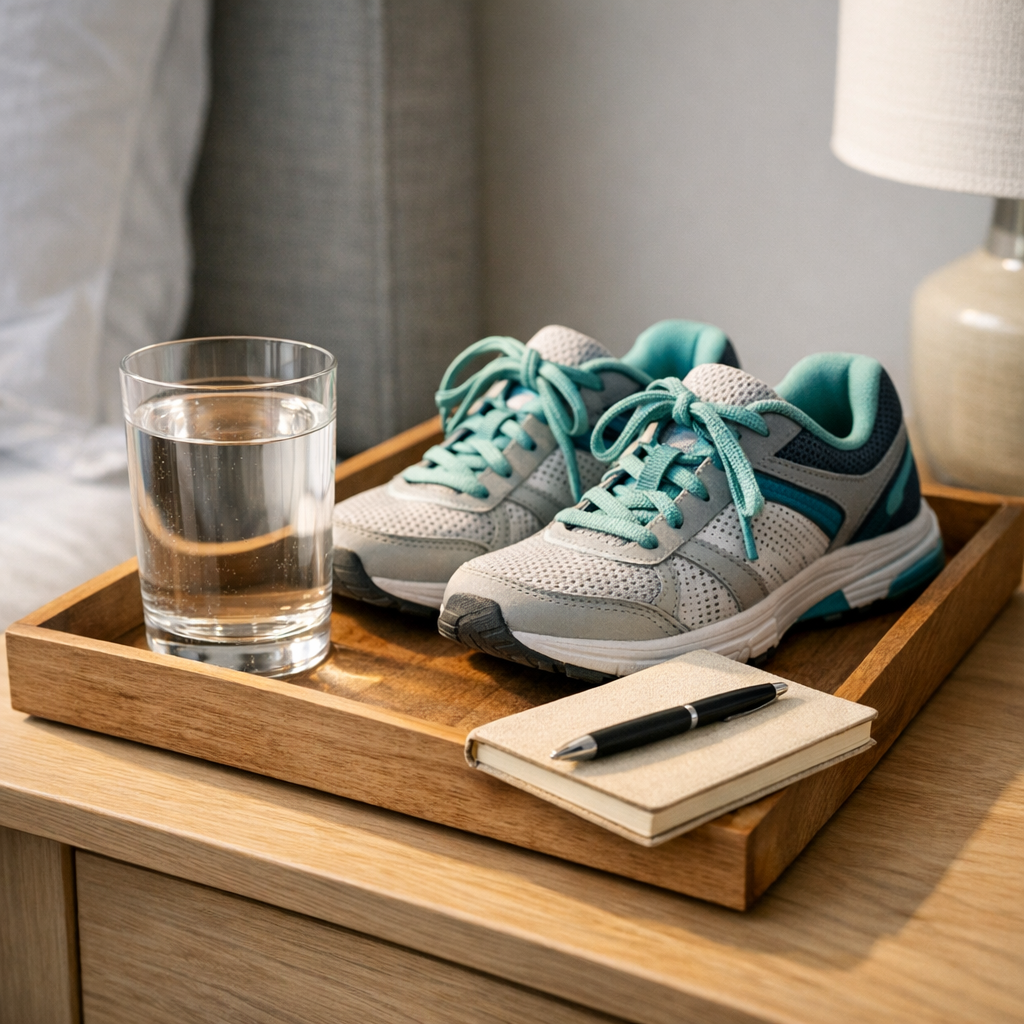
- Prepare the night before: set a glass of water, pull out shoes, lay out a small journal.
- Use natural light cues: position your bed or blinds so morning sun hits the room, or use a bright light lamp on low-light days.
- Keep it enjoyable: choose a movement you like, or pair the routine with a favorite playlist.
- Track it: a 30-day streak builds automaticity faster than motivation alone.
Common objections and quick fixes
- "I have zero time." Try the 6-minute condensed version: hydrate, 2-minute brisk movement, 2 minutes breathing, 1-minute intent.
- "I need coffee immediately." Try delaying caffeine by 30–60 minutes to align with cortisol rhythms and test whether your energy improves when you hydrate and move first.
- "I wake up groggy." Add 60–90 seconds of sunlight or a cold splash of water on your face to speed alertness.
Resources and further reading
- For hydration basics, Mayo Clinic provides practical recommendations on daily fluids and morning hydration.
- For coffee timing and cortisol context, see expert overviews from Healthline and Cleveland Clinic.
- For evidence on light and alertness, consult systematic reviews on daytime light exposure and alerting effects.
Frequently Asked Questions
How long before coffee should I wait after waking?
Waiting 30–60 minutes can make caffeine feel more effective for many people, because natural cortisol peaks occur early in the morning. If you must have coffee immediately, do what works for your routine, but experiment with delaying for a week to compare energy patterns.
Will 15 minutes really make a difference?
Yes, when the minutes are focused on the right mix: rehydration, light, movement, and breath or intention. These actions target biology and behavior that drive alertness.
Can I do this routine on vacation or travel days?
Absolutely. The routine is portable: drink water, step into light, do the movement micro-circuit, and set one priority. It works in hotel rooms and airport lounges.
Is the routine safe for everyone?
Most healthy adults can do this plan. If you have medical conditions, recent surgery, or concerns, check with your healthcare provider before starting new exercise or major routine changes.
What if I have chronic fatigue or persistent low energy?
Short routines help many people, but persistent fatigue may need medical evaluation. Use this plan as a supportive habit and consult a clinician if symptoms continue.
Can I combine this with intermittent fasting?
Yes. The routine is compatible with fasting because it emphasizes hydration and movement rather than a solid meal. If fasting affects your energy, adjust food timing as needed.
How soon will I notice benefits?
Some people feel an immediate uplift from light and movement on day one. Consistent daily practice will solidify benefits over 2 to 4 weeks.
Ready to commit?
This short, repeatable approach is designed to work on busy mornings and scale up when you have more time. Try it tomorrow for 15 days and notice which elements move the needle for you.
Try this now
Take a glass of water, stand by a bright window, and do 30 seconds of bodyweight squats. That’s a real start. If you want more guided morning plans and content upgrades, check out ContentBeast for publishing tools and ideas on building routines that stick: https://contentbeast.com
Conclusion
A quick, structured 15-minute morning routine can reliably increase your energy, improve focus, and set a calmer tone for the day. Focus on hydration, natural light, short movement, and one clear intention. Start small, be consistent, and tweak the mix until it fits your life. You’ll be surprised how much a quarter hour can change everything.