
Getting a new puppy is exciting and a little chaotic, and the first weeks set the tone for a calm, confident dog. Start with small, reliable habits that build trust, clear communication, and consistent routines. Use short sessions, lots of praise, and predictable boundaries so your puppy learns faster and you both enjoy the process. In this article I share simple training tips for a new puppy you can use right away, whether you want a well-mannered family dog or an active companion for runs and playdates.
Why keep training simple at the start
New puppies have short attention spans and are processing a lot. Simplicity reduces confusion, speeds up learning, and keeps training fun. Short, frequent sessions reinforce behavior without tiring your pup. Quick wins create momentum, and consistency from you helps the puppy predict what you expect.
Core principles to follow
- Positive reinforcement, not punishment. Reward what you want more of and ignore or redirect unwanted actions. Praise, treats, and play shape lasting habits.
- Keep sessions short, 3 to 7 minutes, 3 to 5 times a day. Puppies learn in bursts, so frequent repetition beats long sessions.
- Use a calm, consistent cue for each command. Same word, same tone, same expectation.
- Build habits with routines, like set potty times, mealtimes, and short walks.
Quick, actionable training tips
1. Start with name recognition
Call your puppy's name in a cheerful voice, wait for eye contact, then reward immediately. Practice 5 to 10 times across the day. This builds the foundation for recall later.
2. Teach sit first
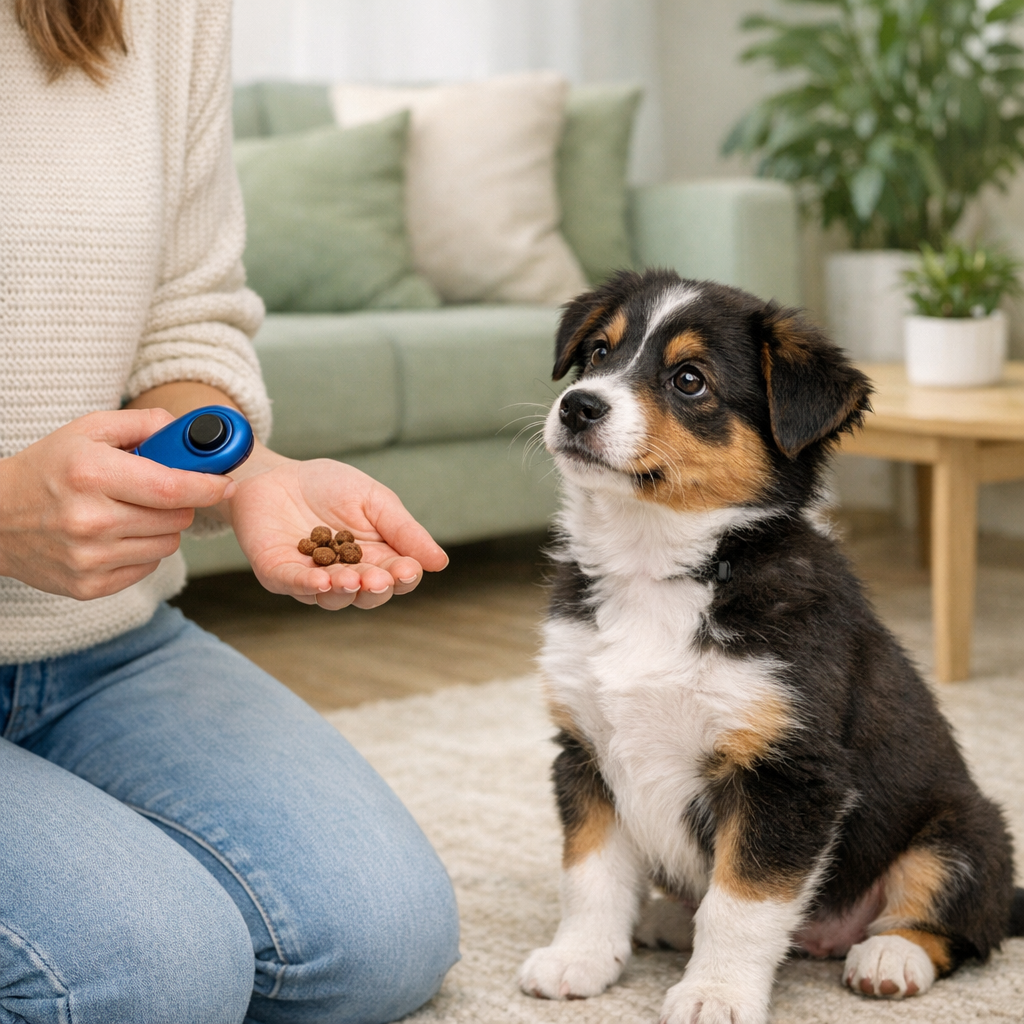
Hold a tiny treat above the puppy's nose and move it gently toward the back of the head. As the puppy sits to follow the treat, say "Sit" and reward. Repeat in short bursts. Sitting is a great self-control skill that helps with greetings and other cues.
3. House training made simple
Set a schedule: after naps, before and after play, and right after meals. Take your puppy to the same spot, use one potty cue, and praise loudly when they go. Crate training at night helps manage accidents and teaches bladder control.
4. Use crate training the right way
Introduce the crate as a cozy den with soft bedding and treats. Keep the door open at first, and feed meals near or inside the crate. Never use the crate as punishment. Crate time should be short at the start, gradually increasing as the puppy adjusts.
5. Leash manners early
Start by letting your puppy wear the collar and leash inside the house, supervised. Reward calm walking, and stop or change direction when the pup pulls. Teach walking beside you before expecting long strolls.
6. Bite inhibition and mouthing
Puppies naturally mouth. When play gets too rough, stop and withdraw attention for a few seconds. Offer chew toys and praise chewing on them. This teaches that gentle play keeps you engaged, rough play ends it.
7. Socialization tips that work
Expose your puppy to varied people, dogs that are known friendly, sounds, surfaces, and short car rides. Keep interactions positive and controlled, and prioritize safety and vaccine timing recommended by your vet. Proper socialization prevents fear-based behaviors later on.
Building a training routine you will keep
Here's the thing, routines stick when they fit your life. Pick times that repeat daily, like first thing in the morning, midday, and early evening, and use those blocks for training, potty trips, and calm play. Mix short training drills into real life, for example a quick "sit" before meals or a short recall in the yard before letting them off-leash in a safely fenced area.
Troubleshooting common objections
- "My puppy isn’t motivated by treats." Try small high-value rewards like cooked chicken or tiny soft treats, or use play and praise as alternatives. Vary rewards so training stays interesting.
- "I don’t have time." Short sessions work. Five minutes spread through the day adds up, and consistent micro-practice yields better results than rare long sessions.
- "Training feels overwhelming." Focus on one skill at a time and celebrate small wins. Consistency is more powerful than perfection.
Sample 7-day starter plan
Day 1: Name game and short crate introduction.
Day 2: Sit and touch games, repeat name work.
Day 3: Potty schedule refinement and short leash practice.
Day 4: Gentle socialization, short play session with a calm dog if available.
Day 5: Recall basics and short off-leash work in a secure area.
Day 6: Reinforce sit and stay with mild distractions.
Day 7: Review, reward progress, plan next-week goals.
Frequently asked questions
How soon should I start training my new puppy?
Start immediately. Basic cues like name recognition and sit can begin the first day you bring your puppy home. Keep sessions short and positive.
What is the best age to socialize a puppy?
The prime socialization window is roughly 3 to 14 weeks, but controlled exposure at any age helps. Always follow your vet’s guidance on vaccinations and safe interactions.
Should I use treats every time?
Use treats heavily at first to reinforce learning, then fade to intermittent rewards and praise so behaviors persist without food every time.
Is crate training cruel?
No, when done correctly crate training provides safety and structure. Make the crate comfortable, never use it for punishment, and introduce it gradually.
My puppy chews everything, what can I do?
Puppies explore with their mouths. Offer sturdy chew toys, rotate toys to keep interest, supervise, and puppy-proof your home. Redirect chewing to acceptable items consistently.
When should I start formal obedience classes?
Many owners begin group classes around 10 to 16 weeks, after the vet advises it is safe. Private training can start earlier for specific issues.
Ready to level up your puppy training?
If you want more structured guides and printable checklists to track progress, explore helpful resources and tools to keep training consistent and fun. Visit https://contentbeast.com to find practical templates and step-by-step plans that match your schedule and goals.
Conclusion
Simple habits and short, positive training sessions pay off quickly. By focusing on name recognition, sit, potty routines, crate introduction, and brief socialization, you build a confident, responsive companion. Start small, be consistent, and enjoy the process. Your puppy is learning more than commands, they are learning how to live with you, and that foundation matters more than perfection.