
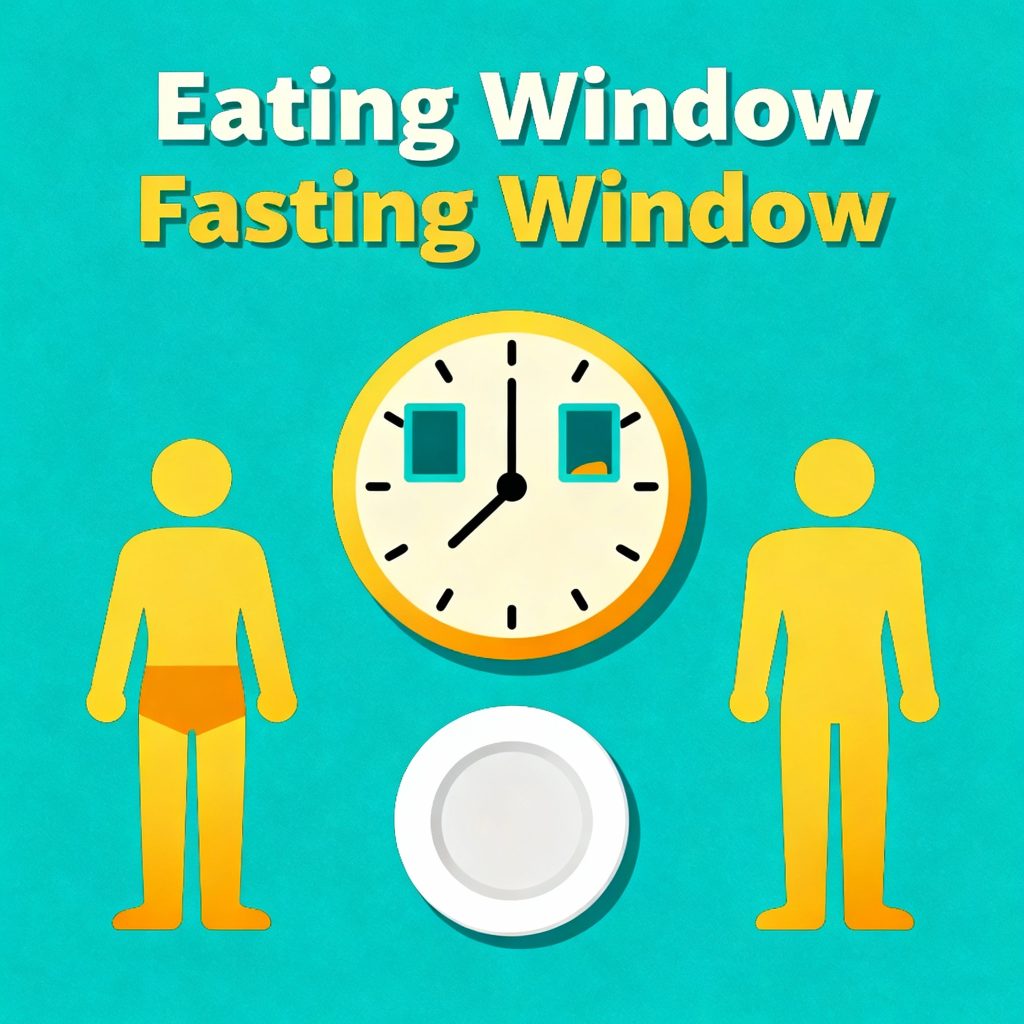
If you’ve been curious about a simple change that can improve energy, simplify meals, and support weight goals, you’re in the right place. In this practical guide you’ll learn what intermittent fasting is, how to pick a method that fits your life, the science behind fasting windows, and safe ways to get started. Right away, note that intermittent Fasting is not a one-size-fits-all prescription, but a flexible tool you can adapt to your schedule, fitness goals, and health needs.

What Intermittent Fasting Really Means
Intermittent fasting, often called time-restricted eating, means cycling between periods of eating and fasting. It focuses on when you eat rather than what you eat, though food quality still matters. Common approaches include the 16:8 method, where you fast 16 hours and eat during an 8-hour window, and alternate-day fasting, which alternates fasting days with regular eating days. People use fasting windows to simplify meals, reduce late-night snacking, or create a calorie pattern that supports weight loss and metabolic health.
Why people try fasting
- Simplicity, fewer meals to plan
- Potential weight management support
- Improved focus for some people during fasting hours
- Better blood sugar and insulin regulation for many
The Science In Plain Language
Here’s the thing, fasting taps into evolutionary biology, where humans adapted to cycles of feast and fast. During fasting windows your body shifts from using glucose to mobilizing stored fat for energy, a process that can support metabolic flexibility. Time-restricted eating also aligns eating with circadian rhythms when implemented sensibly, which may help sleep and hormone balance.
Note that effects vary by individual, and the quality of your food, sleep, stress levels, and activity matter. Fasting is not magic, but it can be a practical framework when combined with whole foods, regular movement, and adequate sleep.
Popular Methods and How to Choose One
16:8 (Daily Time-Restricted Eating)
Eat within an 8-hour window, fast for 16 hours. It is the most approachable for beginners. Examples: 12:00 to 20:00 or 10:00 to 18:00. Works well if you prefer skipping breakfast or delaying the first meal.
14:10
Slightly easier, a 10-hour eating window and 14-hour fast. Good for those easing into fasting or with higher calorie needs.
5:2 (Periodic Calorie Restriction)
Eat normally five days, reduce calories (about 500-600) on two nonconsecutive days. Useful if you prefer maintaining meal timing but want calorie control.
Alternate-Day Fasting and Extended Fasts
Alternate-day fasting is more intense and not suitable for everyone. Extended fasts beyond 24 hours should be supervised by a healthcare professional, especially if you take medication or have chronic conditions.
Practical Tips to Start and Stick With It
- Start gradually: try 12:12 for a week, then move to 14:10, then 16:8 if it feels right.
- Focus on nutrient-dense meals during your eating window, with protein, fiber, healthy fats, and vegetables.
- Stay hydrated during fasting hours, plain water and unsweetened tea are fine.
- Keep workouts moderate during early fasting phases, and time higher-intensity sessions to a feeding window if performance is a priority.
- Be flexible: social events, travel, and work schedules matter. Adjust your window rather than forcing strict hours that stress you.
Who Should Be Careful or Avoid Fasting
Intermittent fasting is not recommended without medical advice for pregnant or breastfeeding people, those with a history of disordered eating, people with certain metabolic conditions, or anyone on medications that require timed meals. Older adults and people with significant health conditions should consult a clinician before starting.
Integrating Fasting With Fitness and Lifestyle
Fasting can coexist with strength training and cardio, but if your goal is building muscle, prioritize protein intake and consider eating around workouts. For endurance athletes, shorter fasting windows or targeted fueling make more sense. Think of fasting as one tool in your habit toolbox, alongside sleep, stress management, and consistent training.
Common Objections and How to Address Them
- “I get too hungry.” Try a slower ramp-up and focus on protein and fiber during meals. Hunger often decreases after the first two weeks.
- “I’ll lose muscle.” With adequate protein, resistance training, and a reasonable calorie intake, muscle loss is minimal for most people using moderate fasting like 16:8.
- “It’s not sustainable.” Make it flexible. Use fasting windows that fit your social life and energy needs.
FAQs
How quickly will I see results with intermittent fasting?
Results vary. Many people notice changes in appetite and energy within 1 to 2 weeks. Weight and metabolic improvements often show over several weeks to months when combined with healthy food and activity.
Can I drink coffee during a fast?
Yes, plain black coffee and unsweetened tea are generally fine. Avoid creamers and sweeteners that break the fast if you’re fasting for metabolic reasons.
Will fasting slow my metabolism?
Short to moderate fasting windows do not typically slow metabolism. Longer or repeated extreme calorie restriction can reduce metabolic rate. Balance fasting with adequate nutrition.
Is intermittent fasting safe for women?
Many women tolerate it well, but some experience menstrual changes or increased stress hormones. Start with gentler windows like 12:12, and consult a clinician if you notice menstrual irregularities.
What should I eat during my eating window?
Focus on whole foods: lean proteins, vegetables, legumes, whole grains, healthy fats, and fruits. Treat fasting as a framework, not a license for poor food choices.
Can I exercise in a fasted state?
Light to moderate exercise is fine. For high-intensity or long-duration workouts, fueling within or before the workout may improve performance and recovery.
How do I handle social events and travel?
Be flexible with your eating window. Shift it earlier or later for dinners, and prioritize enjoyment when eating with friends or family.
Ready to Try Intermittent Fasting?
If you want a simple way to test intermittent fasting, try a 14:10 schedule for two weeks. Track your energy, sleep, and appetite, not just the scale. For structured plans, tips, and content creation help, visit https://contentbeast.com to explore guides and templates that make starting easier.
Conclusion
Intermittent fasting is a flexible, practical tool that can simplify eating, support weight management, and improve metabolic resilience for many people. It’s not a quick fix and works best when paired with whole foods, regular movement, and consistent sleep. Start slowly, be kind to yourself during the adjustment period, and choose a fasting approach that fits your life. With thoughtful planning, fasting can become a sustainable part of your health routine.