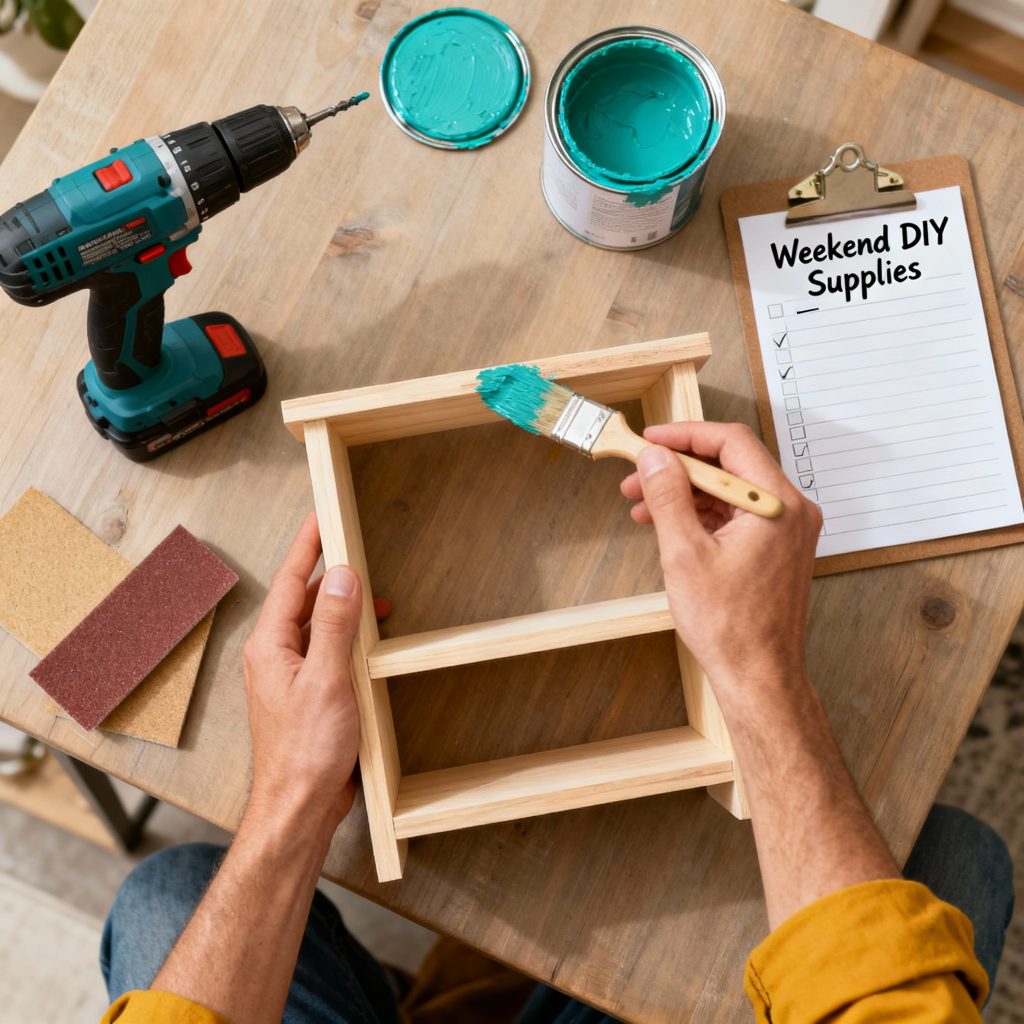

Building habits that last is less about willpower and more about design. If you have ever felt motivated for a week, then slipped back into old routines, you are not alone. The good news is that lasting change usually comes from small, repeatable actions that fit your real life.
The most effective habits are the ones you barely have to think about. When a behavior becomes easy, obvious, and rewarding, it has a much better chance of sticking. That is true whether you are trying to exercise more, save money, care for a pet, or sleep better.
Why habits fail in the first place
Most habits do not fail because people are lazy. They fail because the plan was too ambitious, too vague, or too disconnected from daily life. A goal like “get healthier” sounds inspiring, but it does not tell you what to do at 7:00 a.m. on a busy Tuesday.
Another common problem is relying on motivation alone. Motivation is useful, but it is inconsistent. Systems, routines, and environmental cues are far more reliable when you want a behavior to become automatic.
Start smaller than you think
If you want a habit to stick, shrink it until it feels almost too easy. Want to work out regularly? Start with 10 minutes. Want to read more? Begin with two pages. Want to meditate? Try one minute.
Small habits lower resistance. They also build trust in yourself because you can actually keep the promise you made. Once the behavior is stable, you can gradually increase the challenge.
Make the habit obvious
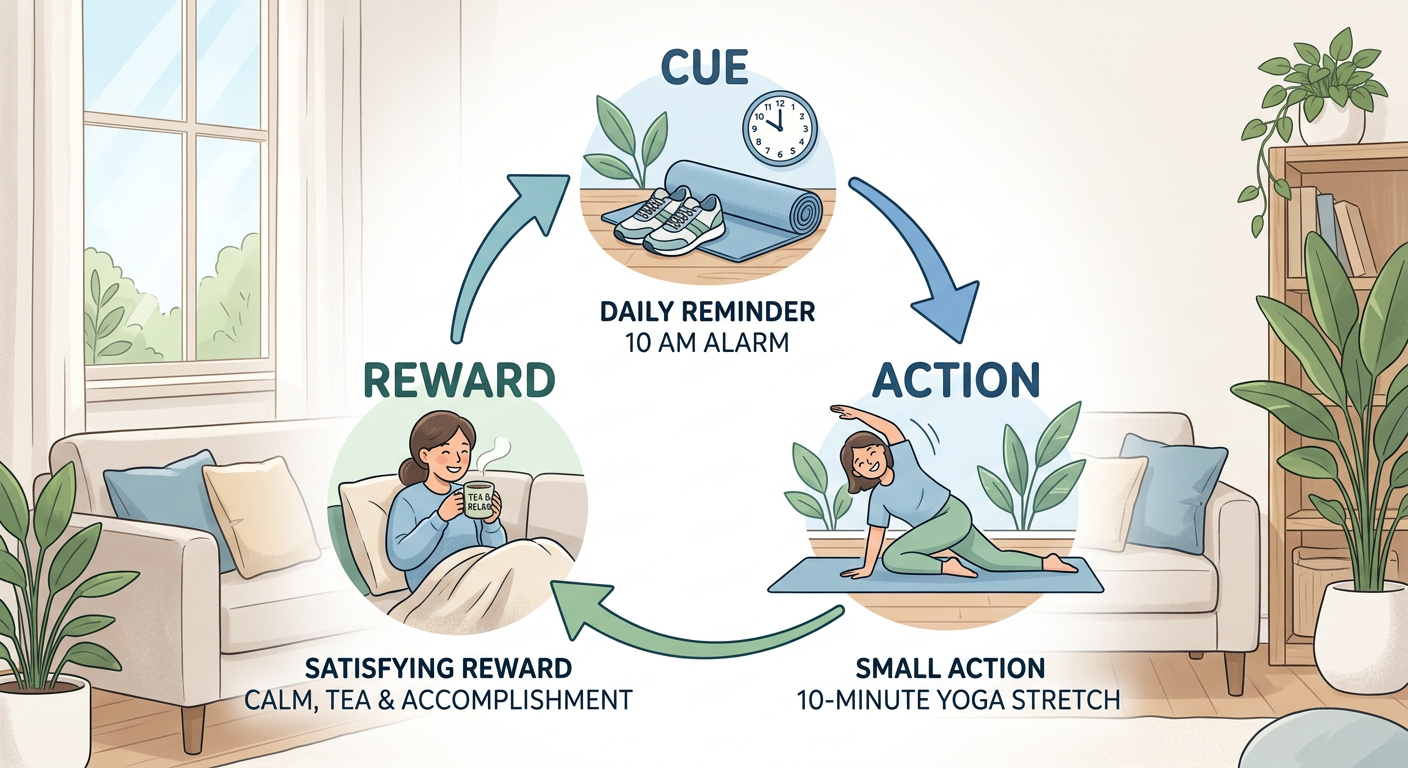
One of the fastest ways to build consistency is to attach the habit to a visible cue. Put your gym clothes where you will see them. Leave the water bottle on your desk. Keep the dog leash by the door if your habit is a daily walk.
You can also link the new habit to something you already do. For example, after you brush your teeth, you stretch for one minute. After you pour your morning coffee, you write down your top priority for the day.
Make it rewarding right away
Your brain is more likely to repeat behavior when it gets a quick payoff. That reward does not need to be huge. A checkmark on a tracker, a few deep breaths after a workout, or the feeling of a tidy kitchen can be enough.
This matters in several areas of life:
- Fitness: finish a short workout and enjoy the immediate sense of momentum.
- Finance: transfer a small amount to savings and watch progress grow.
- Pet care: praise your dog right after a successful cue.
- Sleep and mindfulness: notice the calmer feeling that follows a bedtime routine.
The faster the reward, the easier it is to repeat the habit.
Protect the habit with your environment
Willpower gets overrated. Environment matters more than most people realize. If unhealthy snacks are always within reach, if your phone is always next to your bed, or if your running shoes are buried in a closet, you are making the habit harder than it needs to be.
Design your space to support the version of yourself you want to become. Make good behaviors easier and bad ones slightly more inconvenient. That one shift can remove a lot of friction.
Use identity, not just goals
Goals focus on outcomes. Identity focuses on who you are becoming. Instead of saying, “I want to run three times a week,” try, “I am someone who moves my body regularly.” Instead of “I want to save money,” try, “I am careful with my spending.”
Identity-based habits are powerful because they give your actions meaning. Every small repeat reinforces the story you are telling yourself.
Track progress in a simple way
You do not need a complicated system to stay consistent. A calendar, notebook, or basic app can help you see the streak. Tracking turns something invisible into something measurable.
Keep it simple:
- Mark the day when you complete the habit.
- Review your streak once a week.
- Focus on consistency, not perfection.
The point is not to create pressure. The point is to make progress visible.
Expect setbacks and plan for them
Life happens. Travel, illness, stress, family responsibilities, and work deadlines can interrupt even strong routines. That does not mean the habit failed. It means you need a reset plan.
Decide in advance what counts as a “minimum version” of the habit. If you miss your full workout, do five minutes. If your full budgeting session is impossible, review one transaction. If you cannot do your full bedtime routine, at least put your phone away 15 minutes earlier.
A simple habit formula that works
Try this framework:
- Pick one habit.
- Make it tiny.
- Attach it to a cue.
- Make the environment support it.
- Reward it quickly.
- Track it simply.
- Restart without guilt after setbacks.
That is the core of how to build habits that stick. Not perfection. Not intense discipline. Just a repeatable process.
Conclusion
The best habits are built quietly, one small win at a time. When you stop chasing dramatic change and start designing for consistency, progress becomes much more realistic.
Choose one habit today and make it so easy you cannot say no. That is how momentum starts, and that is how it lasts.
Take the Next Step
If you want more practical guidance on fitness, finance, pet care, sleep, and everyday improvement, keep exploring helpful strategies that fit real life. For more articles and resources, visit https://contentbeast.com and keep building the routines that support your goals.
FAQ
How long does it take to build a habit?
It varies, but consistency matters more than a specific number of days. Focus on repeating the behavior in a stable way instead of chasing a perfect timeline.
What is the best way to stay consistent when motivation fades?
Lower the barrier. Make the habit smaller, attach it to a cue, and remove friction from your environment so the behavior is easier to start.
Should I work on more than one habit at a time?
Usually, no. One habit at a time is easier to manage and more likely to stick, especially if you are trying to change a routine that affects health, money, or sleep.
What if I miss a day?
Missing a day is normal. The important thing is to restart quickly and keep the habit from turning into a full break.
How do I make habits feel less boring?
Pair them with something enjoyable, like music, a favorite podcast, a checkmark tracker, or a small reward right after completion.
Do habits work for finance and pet care too?
Absolutely. Saving a fixed amount each week, reviewing spending, training your pet after meals, or scheduling walks can all become automatic with repetition.
What is the biggest mistake people make?
Trying to do too much too soon. Small, repeatable actions usually beat ambitious plans that are hard to maintain.