Positive reinforcement can completely change how training feels for both you and your dog. Instead of relying on frustration or force, you build habits through rewards, timing, and consistency, which usually leads to better behavior and a stronger bond.
If you have ever wondered why one dog seems eager to learn while another tunes everything out, the difference is often the training approach. The good news is that positive reinforcement dog training tips are simple to understand, practical to use, and effective for everyday life, from sit and stay to leash manners and coming when called.
What Positive Reinforcement Really Means
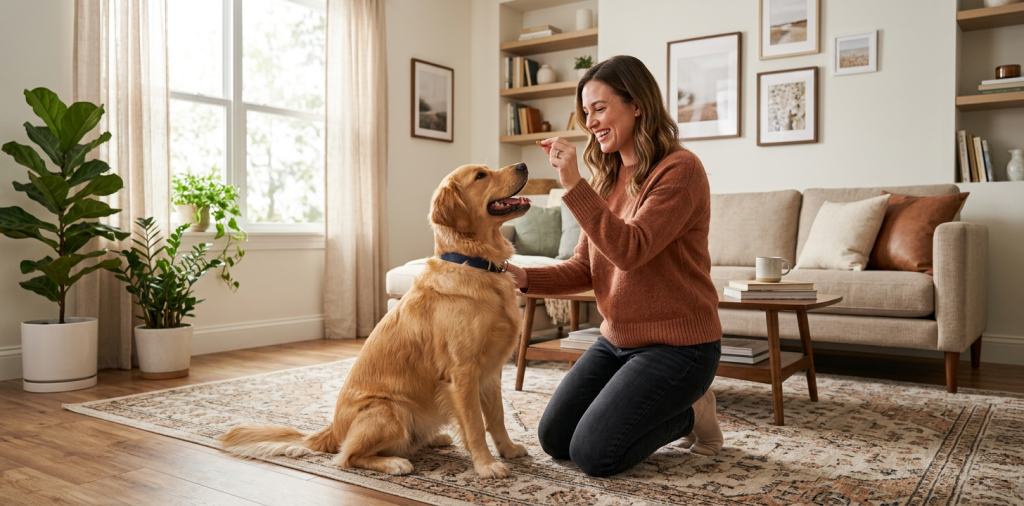
Positive reinforcement means you reward the behavior you want so your dog is more likely to repeat it. That reward can be food, praise, play, sniffing time, or even access to something the dog wants, like going outside.
The key is timing. If your dog sits and you reward three seconds later, the dog may not connect the reward with the sit. Clear timing makes learning faster and training less confusing.
Positive Reinforcement Dog Training Tips for Better Results
Start With Small Wins
Teach easy behaviors first, then build up. A dog that gets rewarded for quick, simple successes stays engaged and confident.
Start in a quiet room with few distractions. Once your dog understands the behavior, slowly practice in the yard, on walks, or near other people.
Reward the Behavior You Want, Not the One You Don’t
It is easy to accidentally give attention to the wrong behavior. For example, if your dog jumps and you pet them to calm them down, that attention can reinforce the jumping.
Instead, wait for four paws on the floor, then reward that calm behavior right away. You are teaching your dog what works.
Use High-Value Rewards for Harder Skills
A tiny biscuit might work for a basic sit at home, but tougher distractions need better incentives. Try small pieces of chicken, cheese, or your dog’s favorite toy when practicing recall or loose leash walking.
Think of it like matching the reward to the challenge. The bigger the distraction, the better the reward should be.
Keep Sessions Short and Frequent
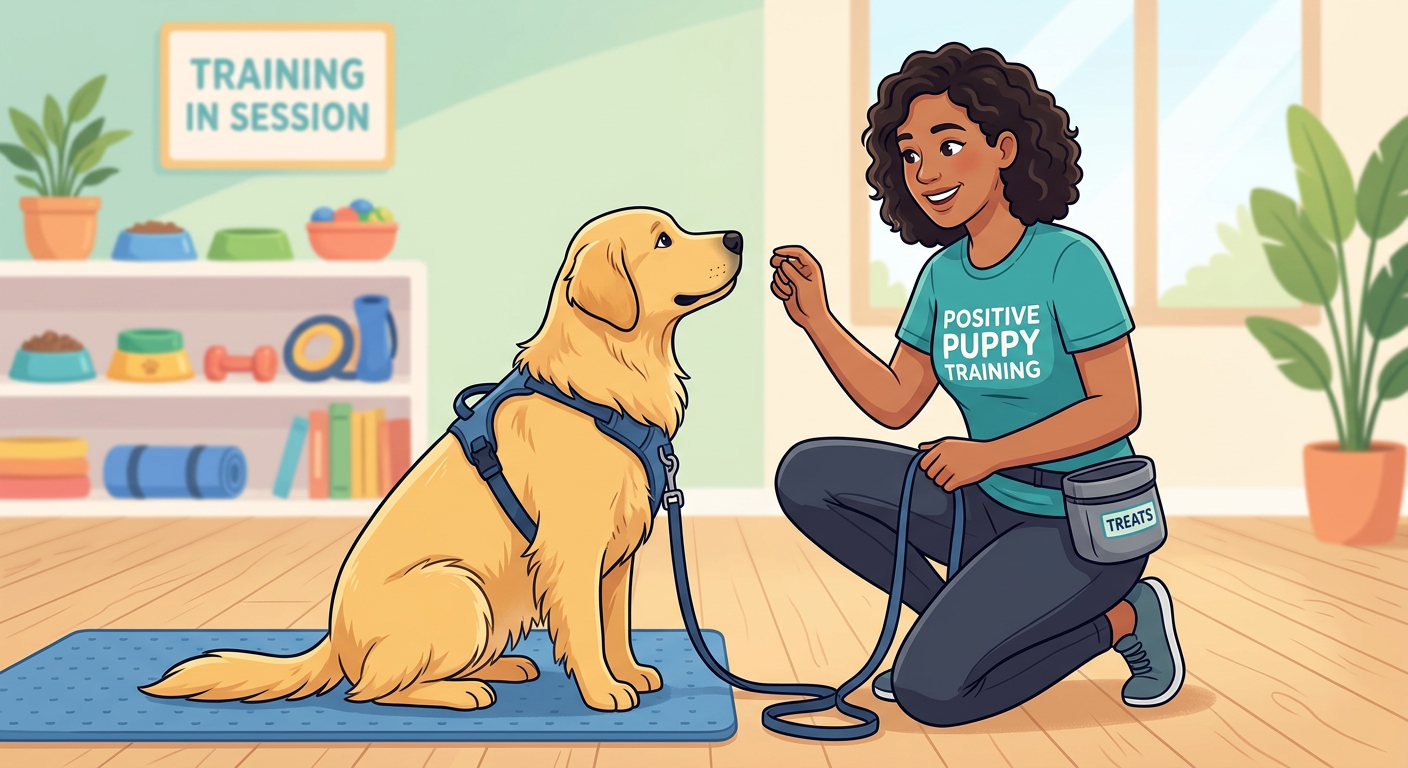
Dogs learn best when training feels like a game, not a marathon. Aim for short sessions of 3 to 5 minutes, several times a day.
That keeps your dog focused and helps you stay consistent. Short practice also reduces stress, which is important for dogs and humans alike.
Mark the Exact Moment of Success
A marker word like “yes” or a clicker can help your dog understand exactly which action earned the reward. Mark the behavior the instant it happens, then follow with the treat.
This is especially helpful when teaching fast behaviors like eye contact, coming when called, or lying down. Clear communication makes learning smoother.
Be Consistent With Cues
Use the same word, tone, and hand signal for each behavior. If you say “down” one day and “off” the next, your dog has to guess what you mean.
Consistency also matters between family members. Everyone in the home should use the same cues and reward the same behavior.
Avoid Punishing Mistakes
Mistakes are part of learning. If your dog does not respond, that usually means the skill is too hard, the reward is not motivating enough, or the environment is too distracting.
Punishment can make dogs anxious or less willing to try. A better approach is to simplify the task and reward progress.
Training That Fits Real Life
Positive reinforcement works best when it is woven into everyday routines. Ask for a sit before meals, reward calm behavior near the door, or practice recall during play.
That makes training feel natural instead of forced. It also helps your dog learn in the same situations where you want the behavior to happen.
Common Mistakes to Avoid
Rewarding Too Late
If the reward comes late, the lesson gets muddy. Try to deliver the treat within a second or two of the correct behavior.
Moving Too Fast
A dog that can sit in the kitchen may not be ready to sit outside near squirrels and traffic. Add difficulty gradually so your dog can succeed.
Using the Same Reward Every Time
Variety keeps training interesting. Mix food, praise, toys, and play so your dog stays engaged.
FAQ
How long does positive reinforcement training take?
It depends on the dog and the behavior. Simple skills may improve in a few sessions, while reliable habits take weeks of repetition and practice in different settings.
Can older dogs learn with positive reinforcement?
Yes. Adult dogs and seniors can absolutely learn new behaviors. In many cases, they respond very well because they have more impulse control than young puppies.
What if my dog is not food motivated?
Use what your dog loves most. Some dogs work for tug toys, praise, access to sniffing, or a chance to run around.
Is positive reinforcement enough for serious behavior problems?
It can help with many issues, but some cases need professional support. If your dog shows aggression, severe fear, or repeated panic, a qualified trainer or veterinary behavior professional is a smart next step.
Should I still correct bad behavior?
The focus should be on teaching the replacement behavior you want. Instead of correcting constantly, redirect your dog and reward the better choice.
What is the biggest training mistake new owners make?
Usually, it is inconsistency. If the rules change from day to day, your dog cannot tell what earns a reward.
A Smarter Way to Build Good Habits
The best dog training feels calm, clear, and repeatable. When you reward the right choice, keep sessions short, and stay consistent, your dog learns faster and your daily life gets easier.
That is why positive reinforcement is such a practical approach, it fits real households, busy schedules, and dogs with very different personalities. The result is not just better behavior, but a better relationship.
Ready to Train With More Confidence?
If you want more practical pet advice, explore helpful resources and fresh ideas at Content Beast. Keep building one small win at a time, and you will be surprised how much progress you can make.
Conclusion
Training a dog does not have to feel stressful or complicated. With patience, timing, and the right rewards, you can teach good habits in a way that feels encouraging instead of exhausting.
The takeaway is simple, reinforce the behavior you want, stay consistent, and make learning worth your dog’s effort. That is how you build real results that last.