
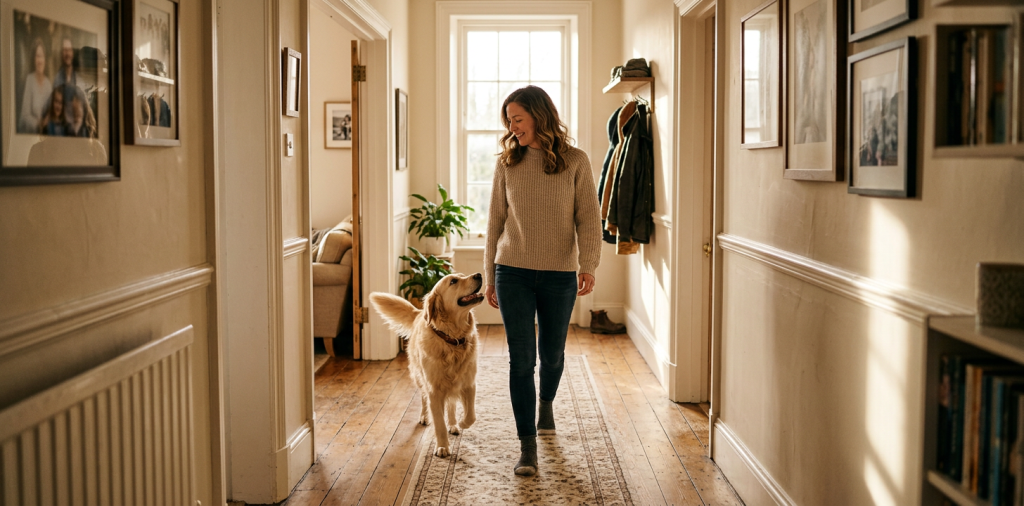
Dogs have a way of making even the most ordinary moments feel a little more connected. If you’ve ever stood up to grab a glass of water only to hear tiny paws behind you, you’re not imagining it, and you’re definitely not alone. The question of why does my dog follow me everywhere usually has a pretty simple answer, but sometimes it points to a habit, a need, or even a medical issue worth noticing.
For many dogs, shadowing you is a sign of attachment. For others, it can be about routine, curiosity, boredom, anxiety, or a desire for rewards. The good news is that most of the time, this behavior is normal and manageable once you understand what’s driving it.
Why Dogs Stick Close to Their Favorite Human
1. They’re bonded to you
Dogs are social animals, and many form strong attachments to one person in the household. Following you around can simply mean you are their safe place and favorite companion.
2. They want something from you
Sometimes the reason is practical. Your dog may be following you because they expect food, a walk, playtime, or a treat. Dogs learn quickly that staying nearby can lead to good things.
3. They’re curious about your next move
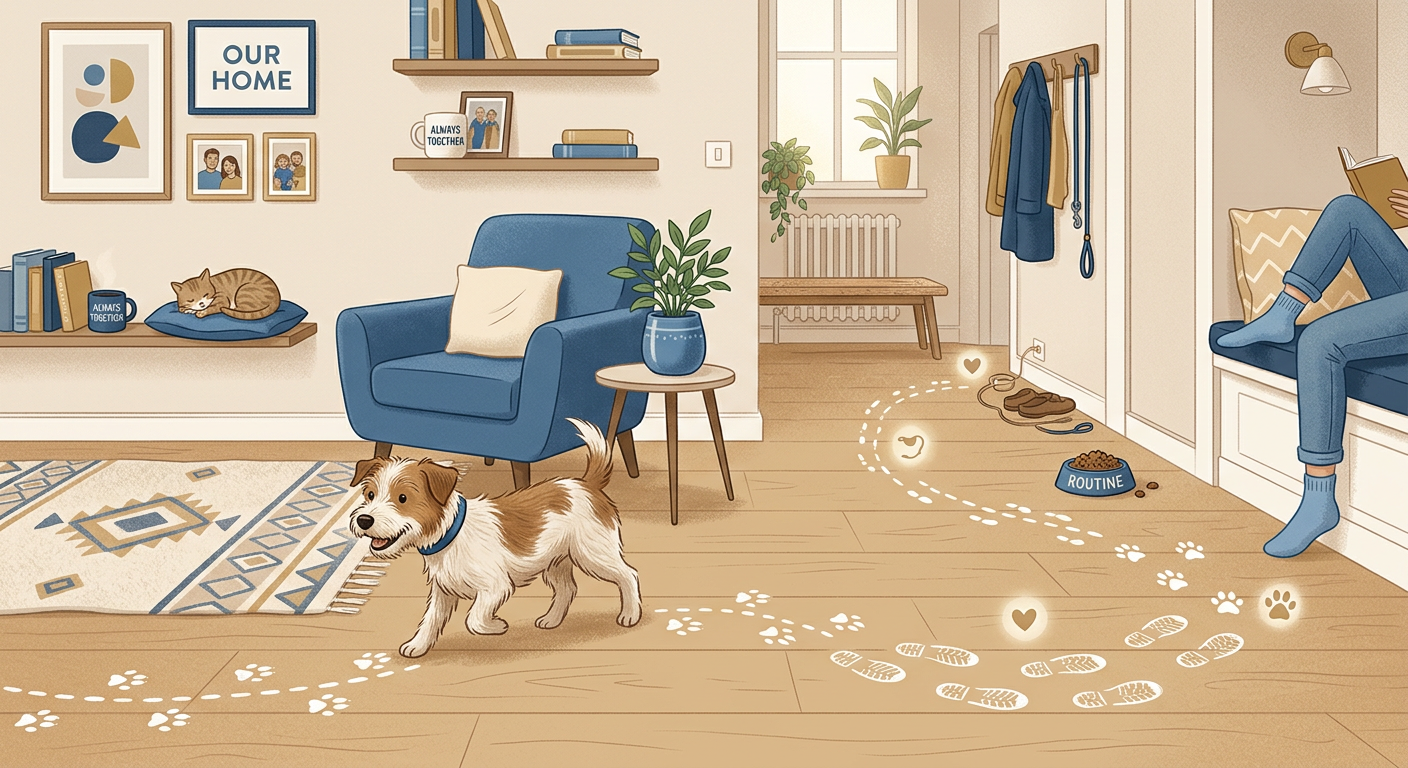
Dogs love patterns. If you often go from room to room on a predictable schedule, your dog may follow because they’ve learned your routines and want to stay in the loop.
4. They’re bored
A dog that does not get enough mental or physical stimulation may start following you simply because you are the most interesting thing available. This is especially common in energetic breeds.
When Following You Is Completely Normal
In many cases, this behavior is part of a healthy relationship. If your dog still eats well, plays normally, relaxes when you leave, and doesn’t seem distressed, there is usually no reason to worry. A little clinginess can even be a sign of confidence and trust.
Here’s the thing, dogs were bred over generations to work closely with humans. Herding dogs, retrievers, and companion breeds especially may be more likely to stay close by nature.
When It Might Signal Anxiety or Stress
Sometimes the behavior goes beyond companionship. If your dog panics when you leave, seems unable to settle, whines constantly, or appears distressed when separated, separation anxiety may be part of the picture. According to the ASPCA, signs can include destructive behavior, house soiling, and excessive vocalization.
You may also notice clinginess after a big change, such as a move, new baby, new pet, schedule shift, or time away from home. Stress can make a dog more dependent on your presence.
Signs to watch for
- Pacing when you prepare to leave
- Excessive whining or barking
- Following you even into the bathroom
- Refusing to relax without you nearby
- Sudden change in appetite or behavior
Could It Be a Medical Issue?
If your dog’s clingy behavior is new or comes with other symptoms, a vet visit is smart. Dogs can follow more closely when they feel unwell, weak, disoriented, or in pain. Older dogs may also become more attached if their vision, hearing, or cognition is changing.
If you notice limping, lethargy, confusion, appetite changes, or sudden behavior shifts, don’t assume it is just affection. Medical causes should be ruled out first.
How to Encourage Healthy Independence
You do not need to ignore your dog, and you definitely do not need to punish them for wanting to be near you. Instead, help them build confidence on their own.
Try these practical steps
- Give them a chew toy or puzzle feeder in another room
- Reward calm behavior when they settle away from you
- Practice short absences and return before anxiety builds
- Keep a consistent routine for meals, walks, and rest
- Add more exercise and training sessions each day
If your dog seems overly dependent, teaching a reliable “place” or “settle” cue can help a lot. Small, repeatable wins make independence feel safe.
Why This Behavior Can Be Good for You Too
This habit can be a nice reminder to slow down. Dogs naturally pull us into the present moment, which can be great for stress relief and mood. A loyal companion nearby can encourage more movement, more breaks, and more mindfulness throughout the day.
That said, balance matters. A healthy dog-human bond should feel comforting, not overwhelming.
FAQ
Is it normal for my dog to follow me into every room?
Yes. Many dogs do this because they are bonded to you, curious, or hoping something fun will happen.
Why does my dog follow me everywhere but not my partner?
Your dog may feel more attached to you, or you may be the person who feeds, walks, or plays with them most often.
Should I be worried if my dog suddenly starts following me more?
If it is a new behavior, especially with other symptoms, talk to your vet to rule out pain, illness, or stress.
Can following me everywhere mean separation anxiety?
It can. If your dog becomes distressed when you leave, separation anxiety may be involved.
How do I stop my dog from being so clingy?
Build independence gradually with training, enrichment, exercise, and short periods of separation.
Does following me mean my dog sees me as the pack leader?
Not necessarily. It more often means your dog feels safe, attached, and interested in what you are doing.
Build a Better Routine for You and Your Dog
If you want fewer velcro-dog moments and a calmer home, start with simple consistency. Improve daily exercise, keep training sessions short, and make alone time feel rewarding instead of scary. For more practical pet care tips and everyday improvement ideas, visit Content Beast.
Final Thoughts
So, why does my dog follow me everywhere? Most of the time, it comes down to love, habit, curiosity, or a need for reassurance. The key is noticing whether the behavior feels affectionate and normal, or whether it has crossed into anxiety, boredom, or a possible health issue.
Once you understand the reason, you can respond in a way that supports both your dog’s well-being and your own peace of mind.