
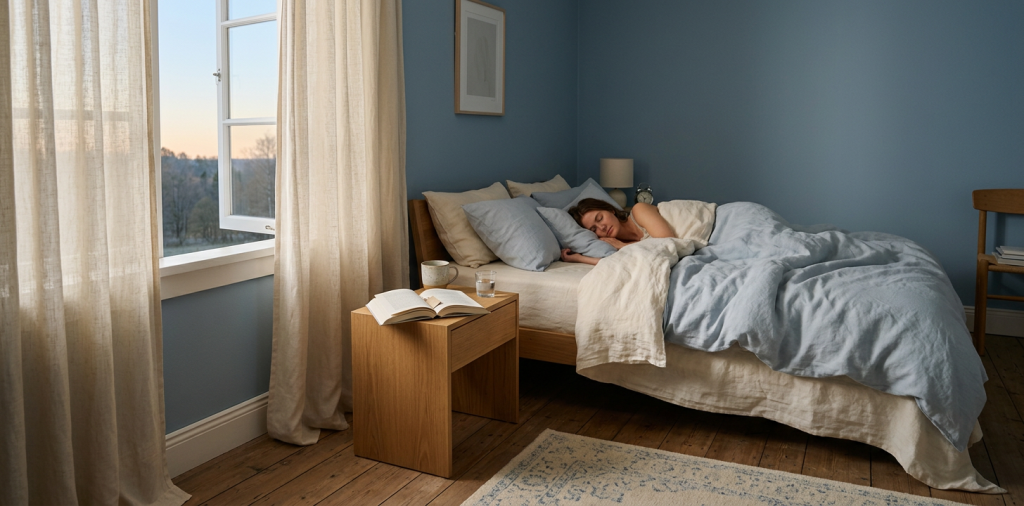
A restless night can make even a well-planned day feel harder than it should. The good news is that better rest often starts with small, repeatable changes, not a complicated routine or an expensive product.
Learning how to improve sleep quality naturally without medication means looking beyond the number of hours in bed. We need sleep that feels restorative, with fewer long wake-ups, less tossing and turning, and enough energy to handle work, workouts, family responsibilities, and the ordinary pressures of daily life.
The Centers for Disease Control and Prevention states that adults ages 18 to 60 generally need at least seven hours of sleep per night. Yet quality matters alongside duration. A full night in bed will not feel refreshing if light, stress, caffeine, noise, or an inconsistent schedule repeatedly disrupts it. CDC sleep guidance offers a helpful foundation for building healthier habits.
Build Your Sleep Around a Consistent Wake-Up Time
Many people focus on forcing an earlier bedtime, but a reliable wake-up time is usually the more practical anchor. Waking at approximately the same time each day helps reinforce the body’s internal timing system, making it easier to feel sleepy at a more predictable hour.
Start with your realistic weekday wake-up time and keep it within about an hour on days off. This does not require perfection. It means avoiding the pattern of sleeping several extra hours on weekends, then struggling to fall asleep on Sunday night.
Create a simple evening runway
Instead of waiting until you feel exhausted, give yourself a transition period. Set a reminder 60 to 90 minutes before bed to begin quieter activities such as preparing clothes for tomorrow, taking a warm shower, reading a paper book, stretching gently, or writing down unfinished tasks.
This routine matters because it reduces decision-making late at night. We are less likely to drift into another episode, work email, online purchase, or stressful conversation when the next step is already planned.
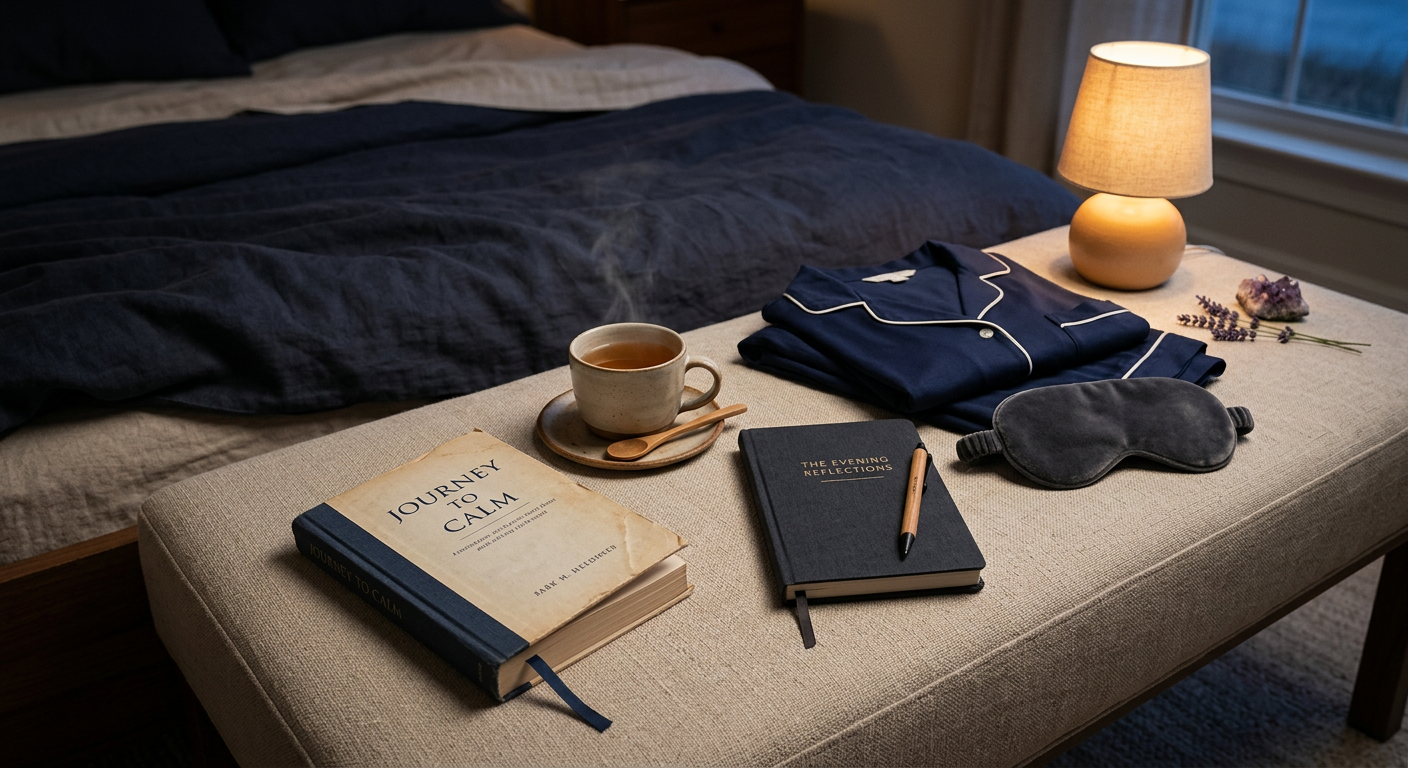
Make the Bedroom a Place Your Brain Associates With Sleep
Your sleep environment does not need to look like a luxury hotel. It does need to support the signals your brain uses to wind down: darkness, quiet, comfort, and a comfortably cool temperature.
The CDC recommends a bedroom that is quiet, relaxing, and cool, while the National Institute for Occupational Safety and Health suggests that many people sleep comfortably around 65 to 68 degrees Fahrenheit. NIOSH sleep recommendations also emphasize reducing light and limiting disturbances from phones and pets.
Focus on the highest-impact fixes first
Before buying specialty gadgets, try these low-cost adjustments:
- Use blackout curtains, an eye mask, or both if outdoor light enters the room.
- Silence notifications and place your phone outside arm’s reach.
- Use earplugs, a fan, or steady background sound if noise is unpredictable.
- Adjust bedding so you do not wake up too hot or too cold.
- Keep work materials, laundry piles, and stressful visual clutter away from the bed when possible.
For pet owners, this can be a balancing act. A pet that regularly wakes you may need a more consistent evening feeding, play, bathroom, or settling routine. The goal is not to blame your companion. It is to protect both your sleep rhythm and theirs.
Use Light and Movement to Strengthen Your Body Clock
Morning light is one of the most useful natural cues for sleep timing. Spending time outdoors early in the day can help reinforce daytime alertness and support sleepiness later in the evening.
A brief outdoor walk is often enough to make this habit realistic. We can pair it with something we already do, such as walking the dog, getting coffee, commuting, or taking a short break before the workday starts. On cloudy days, outdoor light still tends to be brighter than indoor lighting.
Exercise regularly, but pay attention to timing
Regular physical activity can improve subjective sleep quality. A systematic review and meta-analysis of randomized controlled trials found that exercise interventions improved self-reported sleep quality, insomnia severity, and daytime sleepiness in adults. Review of exercise and sleep research supports movement as a valuable part of a non-medication sleep plan.
That does not mean every workout needs to happen at dawn. Some people sleep well after an evening session, while others feel too activated after intense late-night training. If you suspect your workouts are keeping you wired, move hard intervals, heavy lifting, or competitive sports earlier and reserve evening time for walking, mobility work, or gentle yoga.
Be Strategic With Caffeine, Alcohol, and Late Meals
We often underestimate how long afternoon choices can follow us into the night. Caffeine sensitivity varies, but coffee, energy drinks, pre-workout supplements, cola, tea, chocolate, and some pain relievers can all contribute to difficulty falling asleep.
A reasonable experiment is to set a caffeine cutoff at least five to six hours before bedtime, then adjust earlier if you still feel alert at night. The CDC specifically recommends avoiding caffeine in the afternoon or evening for better sleep habits. CDC sleep habits also recommends avoiding large meals and alcohol before bed.
Alcohol deserves special attention because it can feel misleadingly helpful. It may make us drowsy, but it can fragment sleep later in the night and leave us less refreshed the next morning. If you drink, try finishing earlier in the evening and notice whether your overnight wake-ups change.
For dinner, aim for satisfying rather than overly heavy. If hunger appears close to bedtime, a small snack may be more comfortable than trying to sleep while hungry. The best choice is the one that does not cause heartburn, digestive discomfort, or repeated trips to the bathroom.
Calm the Mind Without Trying to Force Sleep
Trying hard to sleep can create its own pressure. The more we check the clock, calculate remaining hours, or worry about tomorrow, the more alert we can become.
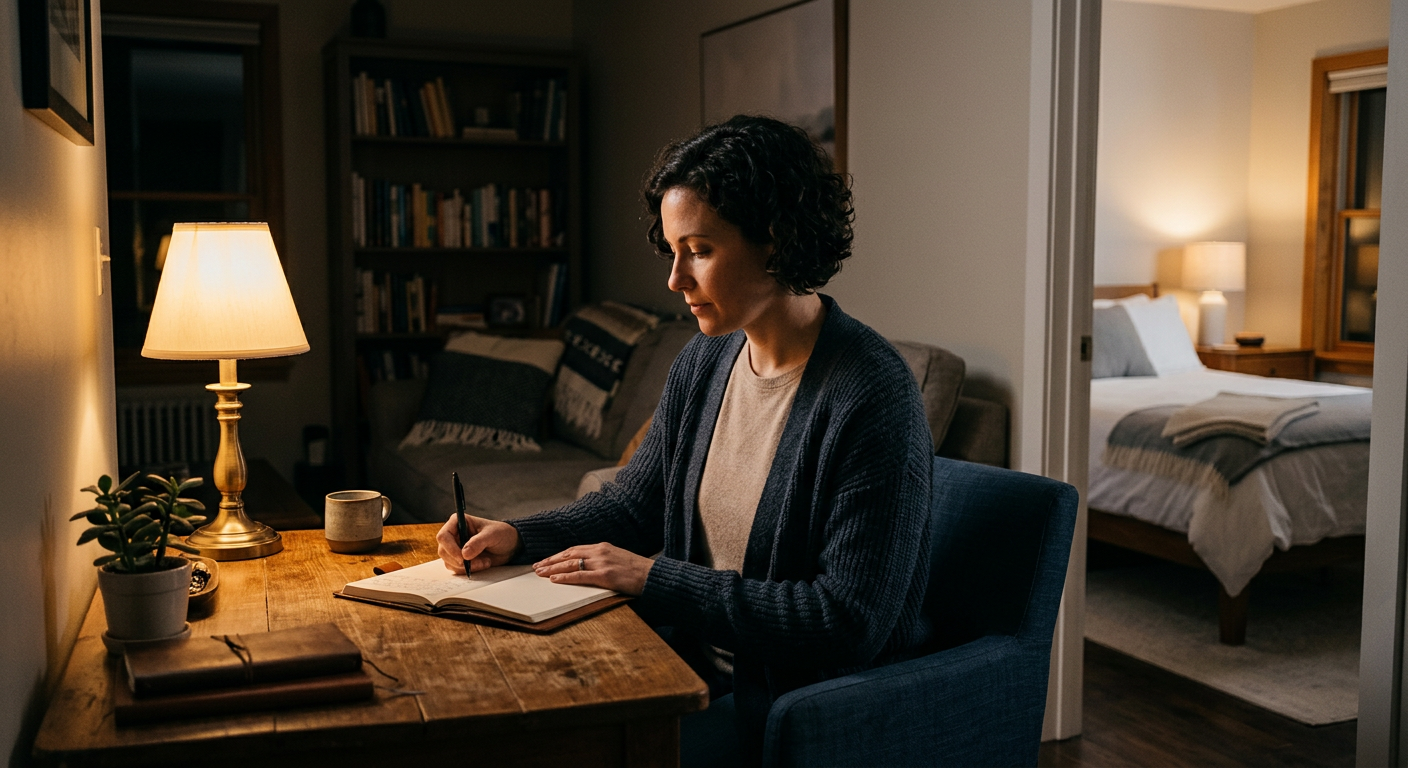
Instead, use a short mental off-ramp. Keep a notebook nearby and write down tomorrow’s priorities, unresolved worries, or reminders. This does not solve every problem, but it can signal that those thoughts have a place to wait until morning.
Try relaxation methods that fit your personality
There is no single perfect method. Choose one approach and practice it consistently for a week or two:
- Slow breathing, with a longer exhale than inhale.
- A brief body scan, relaxing the jaw, shoulders, hands, and legs in sequence.
- Guided meditation or calming audio with the screen turned off.
- Gentle stretching that does not feel like another workout.
- Reading something enjoyable but not emotionally intense.
For ongoing insomnia, professional behavioral support can be more effective than collecting more sleep hacks. The National Heart, Lung, and Blood Institute describes cognitive behavioral therapy for insomnia, or CBT-I, as the usual first treatment option for long-term insomnia. It includes tools such as relaxation training, sleep education, and stimulus control. NHLBI guidance on insomnia treatment explains how this structured approach works.
Stop Turning the Bed Into a Stress Zone
If you are awake for a long time, repeatedly scrolling, working, watching television, or worrying in bed, your brain can start associating the bedroom with alertness instead of sleep. This is where stimulus control can help.
Go to bed when you feel sleepy, not simply because the clock says you should. If you cannot fall asleep after what feels like a reasonable period, get up, keep the lights low, and do something quiet until drowsiness returns. Avoid turning this into an exciting activity. We want the bed to become the place where sleep happens, not where the day’s unfinished business continues.
A sleep diary can make patterns easier to spot. For two weeks, track bedtime, wake-up time, caffeine, alcohol, workouts, naps, nighttime awakenings, and morning energy. Look for trends rather than judging a single bad night.
Know When Natural Changes Are Not Enough
Natural sleep strategies are worthwhile, but they are not a substitute for medical evaluation when symptoms suggest an underlying issue. Seek guidance from a qualified healthcare professional if you regularly snore loudly, gasp or stop breathing during sleep, feel dangerously sleepy during the day, have persistent restless legs, or struggle with insomnia despite consistent changes.
It is also important to talk with a clinician if sleep trouble lasts for months, affects mood or daily functioning, or follows a medication change. Do not stop or alter prescribed medication without medical guidance. Addressing sleep apnea, anxiety, depression, chronic pain, reflux, thyroid conditions, or other contributors can make a major difference.
Frequently Asked Questions
How long does it take to improve sleep quality naturally?
Some people notice benefits from a consistent wake-up time, earlier caffeine cutoff, or a darker bedroom within days. More durable changes often take two to four weeks because the body clock responds best to repeated patterns, not one perfect night.
Can we improve sleep without buying supplements or devices?
Yes. The most useful changes are often free or low-cost: consistent timing, daylight exposure, regular movement, a calmer evening routine, and a cool, dark, quiet bedroom. Supplements and wearables may be optional, but they are not the foundation.
Is it bad to use a phone before bed?
It depends on the person and the content, but phone use can keep the mind engaged and expose the eyes to bright light. If you are not ready to stop completely, set a screen cutoff, reduce brightness, silence notifications, and charge the phone away from the bed.
Does a nap ruin nighttime sleep?
Not always. Short naps can help some people, especially after an unusually poor night. If you have trouble falling asleep at bedtime, though, avoid late-afternoon naps and test whether shorter, earlier naps work better.
What is the best natural drink for sleep?
There is no drink that reliably fixes poor sleep for everyone. A non-caffeinated beverage can be part of a soothing routine, but avoid drinking so much close to bed that you wake up to use the bathroom. Be cautious with products marketed as sleep cures, particularly if you take medications or manage a health condition.
Should we exercise at night if that is the only time available?
Yes, if evening exercise is what makes regular movement possible. Monitor your own response. If vigorous activity leaves you energized, move the intensity earlier when you can or finish with a longer cool-down and a calm routine.
Make Better Sleep a Repeatable Habit
Better sleep is rarely about finding one magical fix. It comes from creating a daily pattern that supports your body clock, protects your sleep environment, and gives your mind a clear transition from activity to rest.
Start with two changes this week: choose a consistent wake-up time and create a 60-minute wind-down routine. Once those feel routine, add morning light, thoughtful caffeine timing, regular movement, and a bedroom that feels designed for rest. Small habits compound, and a steadier night can improve how we feel, think, train, and show up for the people who depend on us.
Keep Building a Healthier Daily Routine
Want practical, evidence-informed ideas for better sleep, mindfulness, fitness, money habits, and everyday well-being? Explore more helpful guides at Content Beast and choose one small habit to put into practice this week.