Starting out with a new dog can feel exciting, overwhelming, and a little messy all at once. The good news is that best dog training tips for beginners are usually simple, consistent, and based on habits you can repeat every day.
You do not need fancy gear or years of experience to get real progress. What you do need is patience, a plan, and the willingness to reward the behavior you want more often than you correct the behavior you do not want.
Start With the Basics First
The fastest way to make training easier is to focus on the essentials before you move into advanced tricks. Your dog should learn their name, come when called, sit, stay, and walk calmly on a leash before you ask for anything complicated.
Keep sessions short, especially in the beginning. Five to ten minutes is plenty for most dogs, because short sessions help them stay focused and prevent frustration.
Use Positive Reinforcement
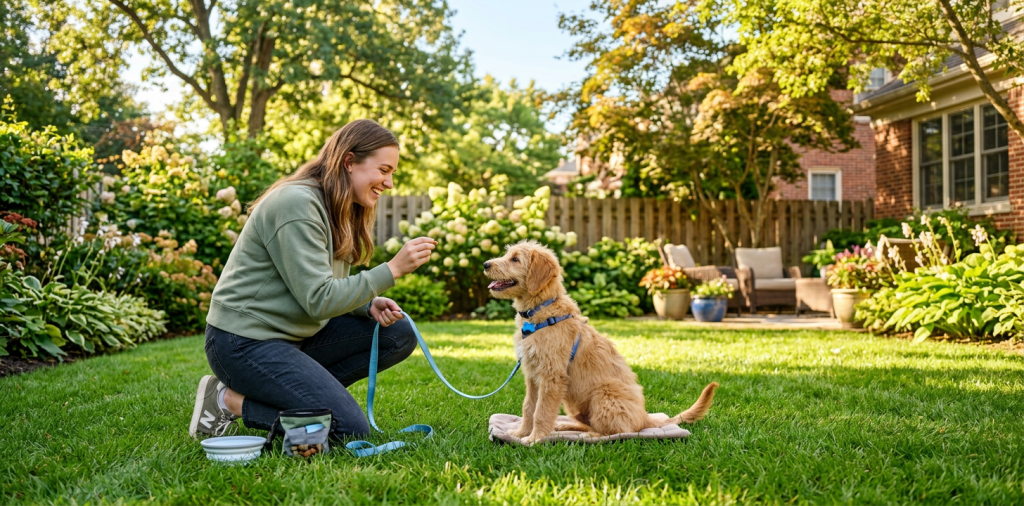
Reward the behavior you want with treats, praise, toys, or play. When your dog sits and you immediately reward them, they start connecting the action with a good outcome.
This is one of the most reliable beginner dog training methods because it makes learning feel safe and rewarding. It also strengthens trust, which matters just as much as obedience.
Be Consistent Every Day
Dogs learn through repetition, not occasional big lessons. If one person allows jumping and another person corrects it, your dog gets mixed messages and progress slows down.
Use the same words, the same hand signals, and the same rules across the household. Consistency turns training from a random event into a clear routine.
Focus on One Behavior at a Time
Trying to fix everything at once usually backfires. If your dog is learning sit, stay with that goal until it becomes reliable before moving to the next cue.
This keeps training simple for both of you. It also helps you notice what is working, which makes it easier to stay motivated.
Keep Commands Short and Clear
Use one word cues like sit, stay, down, and come. Long phrases can confuse a beginner dog, especially when they are still learning what sounds matter.
Your tone should be calm and upbeat. Dogs respond better to clear direction than to yelling or repeating a command over and over.
Practice in Low-Distraction Environments
Start indoors or in a quiet yard before taking training into the real world. A dog who can sit in the kitchen may struggle to do the same thing at the park, and that is normal.
Gradually add distractions as your dog gets better. Small steps create dependable results.
Make Training Part of Daily Life
The best dog training tips for beginners work because they fit into ordinary routines. You do not have to create a separate training block for everything if you weave practice into feeding, walking, and play.
Ask for a sit before opening the door. Practice a stay before setting down the food bowl. Reward calm behavior during leash time.
Manage the Environment
Set your dog up to succeed by limiting chances to rehearse bad habits. If your puppy keeps chewing shoes, move the shoes out of reach instead of hoping they will stop on their own.
Good management is not cheating, it is smart training. It reduces stress and helps your dog learn the right pattern faster.
Use Crate Training Thoughtfully
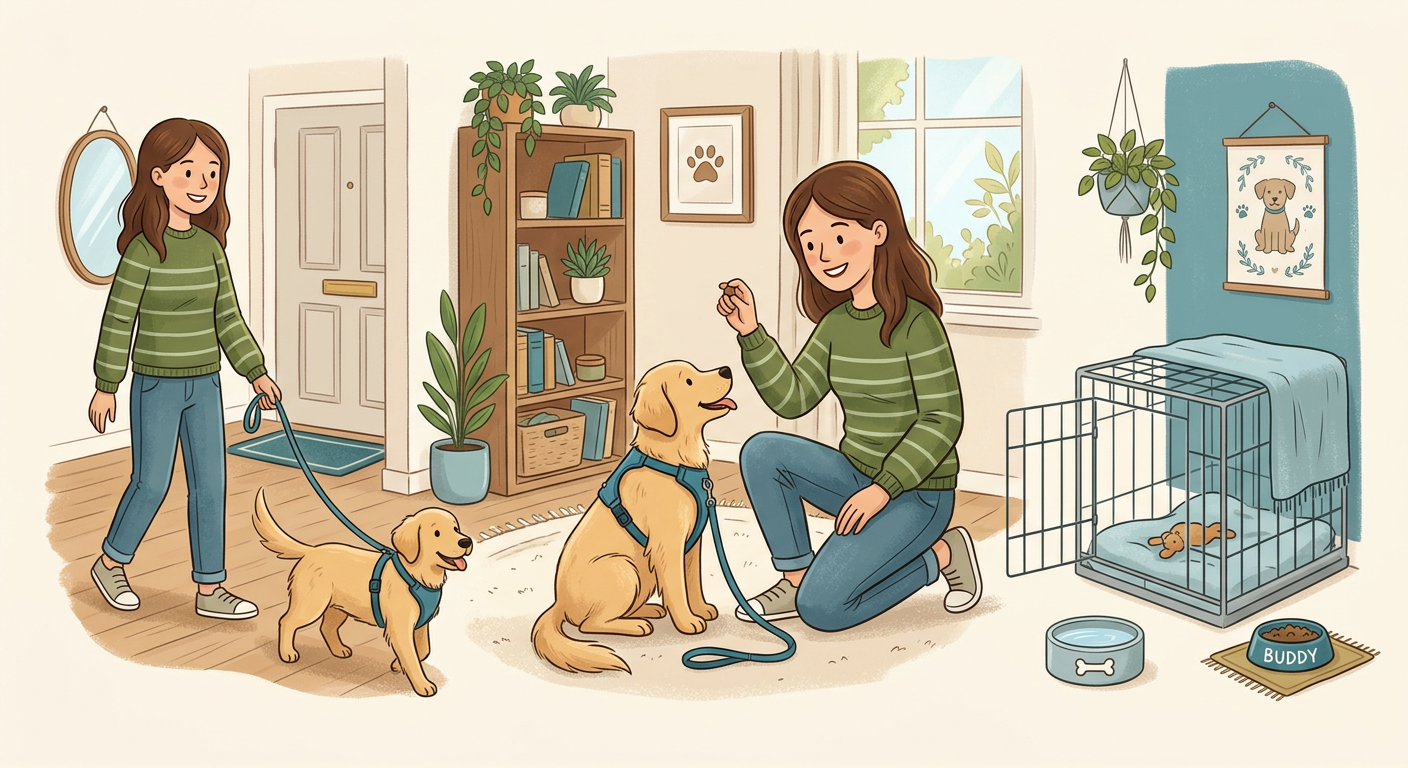
A crate can support house training and give your dog a quiet place to rest. The key is to make it comfortable, never punitive.
Add a soft bed, water if appropriate, and positive associations like treats and calm praise. A crate should feel like a safe den, not a punishment zone.
Avoid Common Beginner Mistakes
A lot of early training problems come from understandable habits, not bad intentions. Once you know what to avoid, it becomes much easier to stay on track.
Do Not Repeat Commands Too Often
If you say sit five times before your dog responds, they may learn to ignore the first four. Say it once, then guide or reward the right response.
This makes your command more meaningful. It also helps your dog learn faster because the cue becomes clearer.
Do Not Train Only When You Feel Like It
Dogs thrive on rhythm. Even a few minutes a day can create real progress if you keep it consistent.
Think of it like brushing your teeth, small daily habits beat occasional intense effort.
Do Not Expect Instant Results
Some dogs learn quickly, while others need more repetition. Age, breed tendencies, history, and personality all play a role.
If your dog is not catching on right away, that does not mean training is failing. It usually means you need more repetition or a simpler setup.
Build Better Habits With Leash and Recall Training
Two of the most useful beginner skills are leash manners and recall. These help with safety, confidence, and everyday control.
Teach loose-leash walking by rewarding your dog when they stay near you without pulling. If they lunge ahead, stop and reset instead of dragging them forward.
Recall should always feel valuable. When your dog comes to you, make it worth their while with praise, treats, or a fun release back to play.
Stay Calm During Mistakes
Your dog will make mistakes, and so will you. That is part of the process.
If you stay calm, your dog stays calmer too. Training works best when you treat setbacks as information, not failure.
When to Get Extra Help
Some dogs need more support than a beginner can provide alone. If your dog shows fear, aggression, severe reactivity, or extreme anxiety, a certified professional trainer or behavior specialist can help you build a safer plan.
Getting help early can save time and reduce stress. It is a smart investment in your dog’s well-being and your own confidence as an owner.
FAQ
How long should beginner training sessions be?
Five to ten minutes is usually ideal. Short sessions help your dog stay engaged and make it easier for you to repeat the lesson later in the day.
What is the first thing I should teach my dog?
Start with their name, sit, and come. Those basics make daily life easier and create the foundation for more advanced training later.
How often should I train my dog?
Aim for a few short sessions every day. A little practice built into normal routines is usually more effective than one long session once a week.
Are treats necessary for training?
Treats are very helpful, especially at the start. You can gradually mix in praise, toys, and other rewards once your dog understands the behavior.
What if my dog does not listen right away?
That is normal. Go back to an easier version of the cue, reduce distractions, and reward more often so the lesson becomes clearer.
Is older dog training different from puppy training?
The core ideas are the same, but older dogs may need more time to change habits. Patience and repetition still matter most.
Build a Routine You Can Stick With
The best training plan is the one you can actually follow. If you make it too complicated, you are less likely to keep going when life gets busy.
Choose one or two goals, practice them daily, and keep the rewards positive. Over time, those small efforts stack up into a well-behaved, more relaxed dog.
Ready to Make Training Easier?
If you want more practical pet care advice and simple routines that actually fit real life, visit ContentBeast for more helpful guides. The right system makes dog training feel less overwhelming and a lot more rewarding.
The biggest takeaway is simple, stay consistent, keep it positive, and celebrate small wins. With the right beginner approach, your dog can learn quickly and your bond can grow stronger every week.