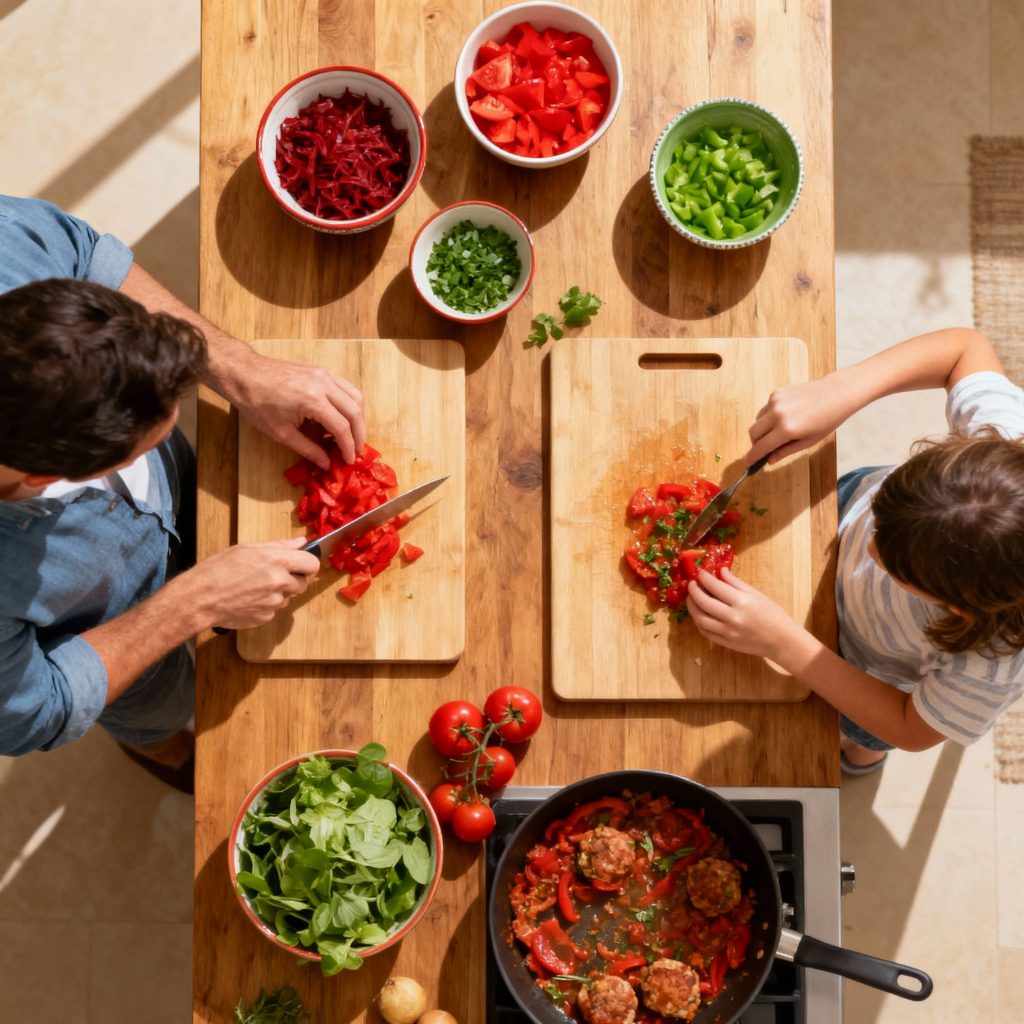
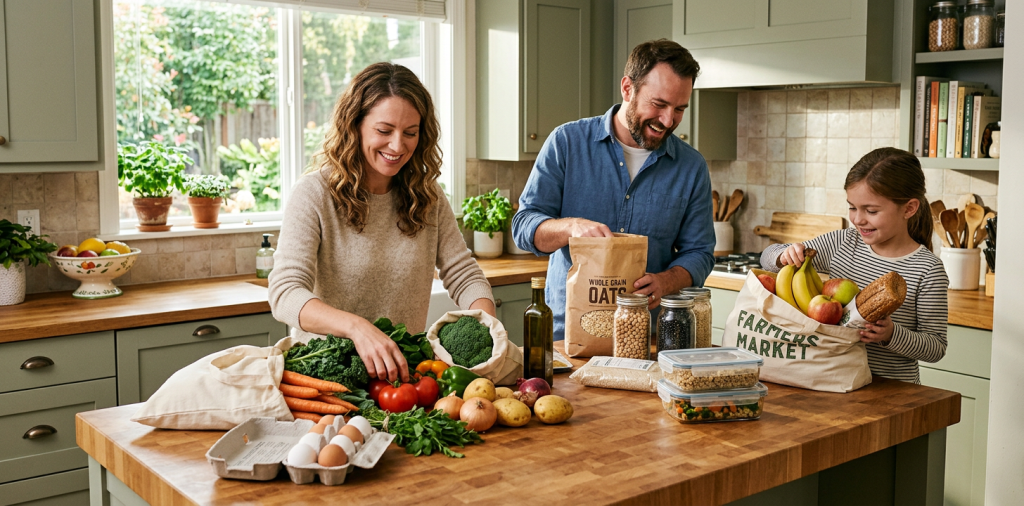
Grocery savings do not have to depend on clipping paper offers, downloading apps, or chasing short-lived promotions. The biggest wins often come from a calmer system: buying with a plan, using what we bring home, and choosing foods that offer more meals for each dollar.
That is the core of how to save money on groceries without couponing. We are not trying to create a restrictive food routine or give up nutritious meals. We are making small, repeatable choices that reduce waste, limit impulse purchases, and keep convenient, satisfying food within reach on busy weeks.
The timing matters. In its January 2026 food plan tables, the USDA estimated a thrifty weekly food-at-home cost of $57.40 for a woman ages 20 to 50 and $67.50 for a man in the same age group. Those figures are only benchmarks, but they show why a clear grocery system can make a meaningful difference over a month. USDA Food Plans offers useful household budget reference points.
Build a Grocery System Before We Enter the Store
The most expensive grocery habit is buying food without knowing how it fits into the week. A list is helpful, but a list built from meals, existing ingredients, and a realistic schedule is much more powerful.
Take a five-minute kitchen inventory
Before making a list, check the refrigerator, freezer, pantry, and snack drawer. Note items that need to be used soon, especially produce, dairy, cooked grains, opened sauces, and proteins.
Then build meals around those foods first. Half a bag of spinach, a few tortillas, beans, and shredded cheese can become breakfast wraps or quesadillas. This simple habit reduces duplicate purchases and gives forgotten ingredients a clear purpose.
Plan fewer meals than we think we need
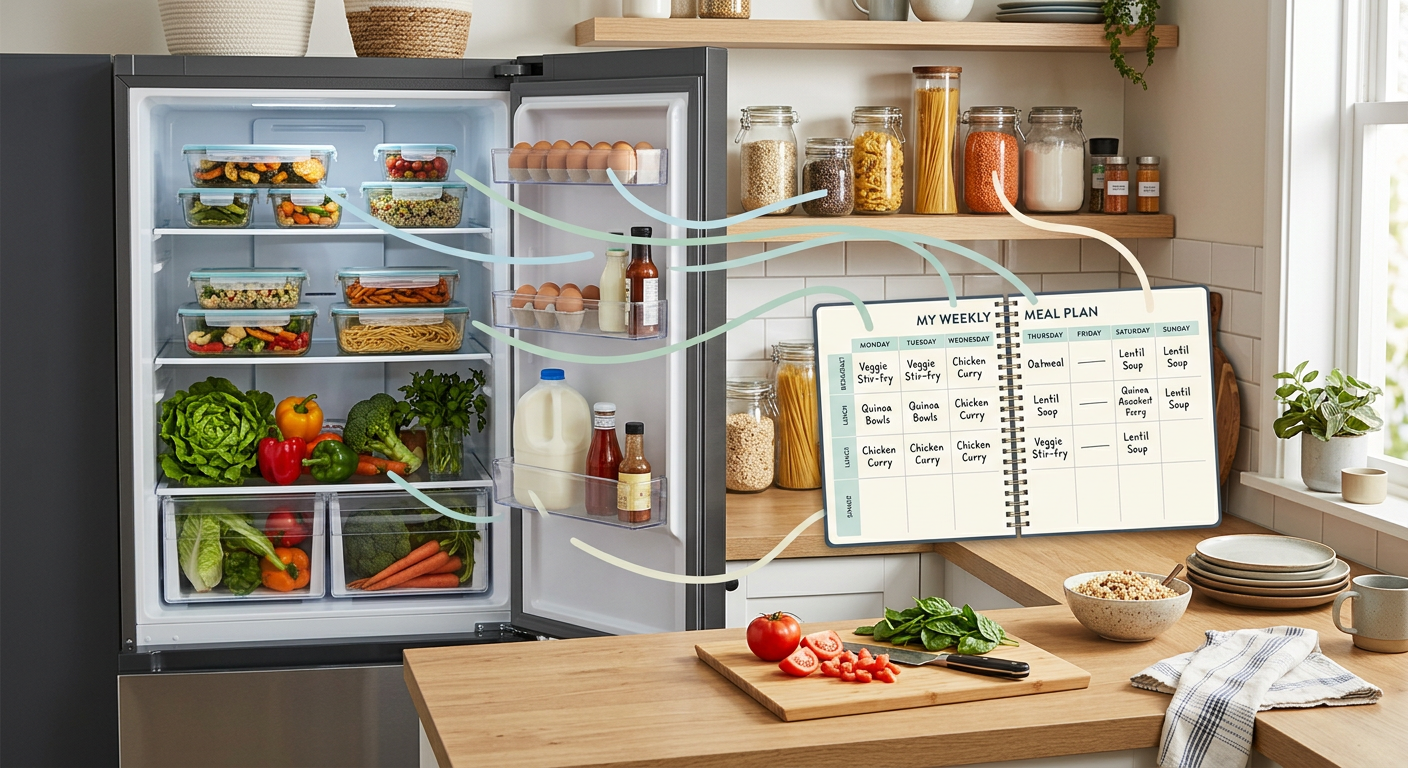
Many households plan seven elaborate dinners, then end up ordering takeout or eating leftovers because life changes. Instead, plan four or five main dinners, one flexible leftover meal, and one low-effort backup such as pasta with frozen vegetables, eggs on toast, or bean bowls.
This approach respects real schedules. It also keeps perishable food from becoming an expensive science project in the produce drawer.
Set a weekly spending target
A monthly number can feel vague. A weekly cap gives us a practical decision tool while shopping. If we want to spend $600 a month on groceries, a starting weekly target of about $140 leaves a small cushion for a fifth shopping trip or a pantry refill.
Track the total for four weeks without judging it. We are looking for patterns: frequent snack purchases, costly beverages, unused produce, or several small store visits that quietly add up. Once we know where our money goes, we can make one focused change at a time.
Shop for Meal Building Blocks, Not Random Ingredients
A lower grocery bill does not require eating the same meal every day. It does require buying versatile foods that can appear in multiple meals without feeling repetitive.
Choose flexible proteins
Protein can drive up a grocery total quickly, especially when every meal depends on individual portions of meat or seafood. We can stretch the budget by rotating economical options such as eggs, canned tuna or salmon, lentils, beans, tofu, plain Greek yogurt, peanut butter, chicken thighs, and larger cuts of meat divided at home.
For active households, this still supports high-protein meals. Try adding lentils to ground turkey tacos, mixing Greek yogurt into overnight oats, or serving a grain bowl with roasted chicken, black beans, and vegetables. The meal stays filling while the most expensive ingredient does not carry the entire plate.
Use fresh, frozen, and shelf-stable foods together
Fresh produce is valuable, but buying only fresh food can create pressure to use everything within a few days. A mix of fresh, frozen, and canned choices gives us more flexibility when plans change.
MyPlate specifically recommends combining these forms and using fresh items first, which helps households keep nutritious options available while limiting spoilage. Its healthy eating on a budget guidance also encourages planning meals before shopping. Choose canned vegetables with lower sodium when possible and fruit packed in water or juice rather than heavy syrup.
Buy the larger size only when it has a job
Bulk buying is useful when three things are true: the unit cost is lower, we will use the food before quality drops, and we have room to store it well. Oats, rice, dried beans, frozen berries, frozen vegetables, coffee, and household staples often fit this rule.
A giant container of delicate berries or a warehouse-size bag of salad greens usually does not. A lower shelf price is not a saving if half of the food ends up discarded.
Compare Unit Prices and Store Formats
We do not need coupons to find value, but we do need to look beyond the large number on the shelf tag. Unit pricing reveals the cost per ounce, pound, or count, making it easier to compare package sizes and brands fairly.
Let the small print guide the choice
A family-size package is not automatically the better deal. Compare the unit price, then ask whether we can store and use it. Store brands are often strong candidates, particularly for staples such as canned beans, pasta, oats, frozen produce, spices, yogurt, and basic baking supplies.
We can also make substitutions without sacrificing meal quality. If broccoli costs more than expected, choose green beans or cabbage. If chicken breast is pricey, select chicken thighs, eggs, beans, or tofu. The goal is not to follow a rigid list at any cost. It is to keep the meal plan intact using the best-value version available.
Match stores to the kind of purchase
One store may be best for weekly basics, while another is better for a periodic bulk restock. Discount grocers can be useful for pantry goods, frozen foods, and produce. Warehouse clubs can work for households that reliably use larger quantities. A standard supermarket may be more practical when we need smaller amounts and fewer extra items.
An Economic Research Service analysis found that nontraditional food retailers offered an expenditure-weighted average price discount of 7.5 percent compared with traditional supermarkets for identical items in its data set. The result will vary by location and product, but it supports a sensible habit: compare our usual basket across nearby options before assuming one store always wins. Economic Research Service report.
Make Food Waste a Budget Category
Saving money is not only about paying less at checkout. It is also about eating what we already paid for. The Environmental Protection Agency estimates that food loss and waste across the U.S. supply chain equals about 35 percent of the food supply, with households and food service responsible for roughly half of that waste. EPA report on food waste.
That large national number becomes personal when we throw away wilted greens, forgotten leftovers, or ingredients bought for one overly ambitious recipe. A simple use-it-up plan can protect both the grocery budget and the food we value.
Give leftovers a planned second meal
Do not treat leftovers as an afterthought. When we cook chili, roasted vegetables, chicken, rice, or pasta, decide at the same time what happens next. Chili can become baked potatoes. Roasted vegetables can go into omelets or grain bowls. Chicken can become wraps, soup, or a salad topper.
Portioning leftovers into lunch-size containers makes them easier to use. It also creates a fast alternative to buying lunch during a hectic workday.
Create one flexible meal each week
A weekly “use what we have” dinner can be surprisingly good. Start with a base such as rice, pasta, potatoes, tortillas, or greens. Add leftover protein, vegetables, beans, cheese, eggs, or a simple sauce.
This meal does not need a formal recipe. Think of it as a clean-out-the-kitchen bowl, frittata, soup, fried rice, or taco night. The more often we practice it, the less likely random ingredients are to expire unnoticed.
Reduce the High-Cost Extras Without Feeling Deprived
The grocery items that strain a budget are not always the main ingredients. Drinks, individual snacks, prepared foods, and last-minute treats can raise the total faster than expected.
Create convenient options at home
Convenience is a real need, especially for families, athletes, and people balancing demanding workdays. Rather than pretending we will always cook from scratch, stock easier options that cost less per serving than frequent single-serve purchases.
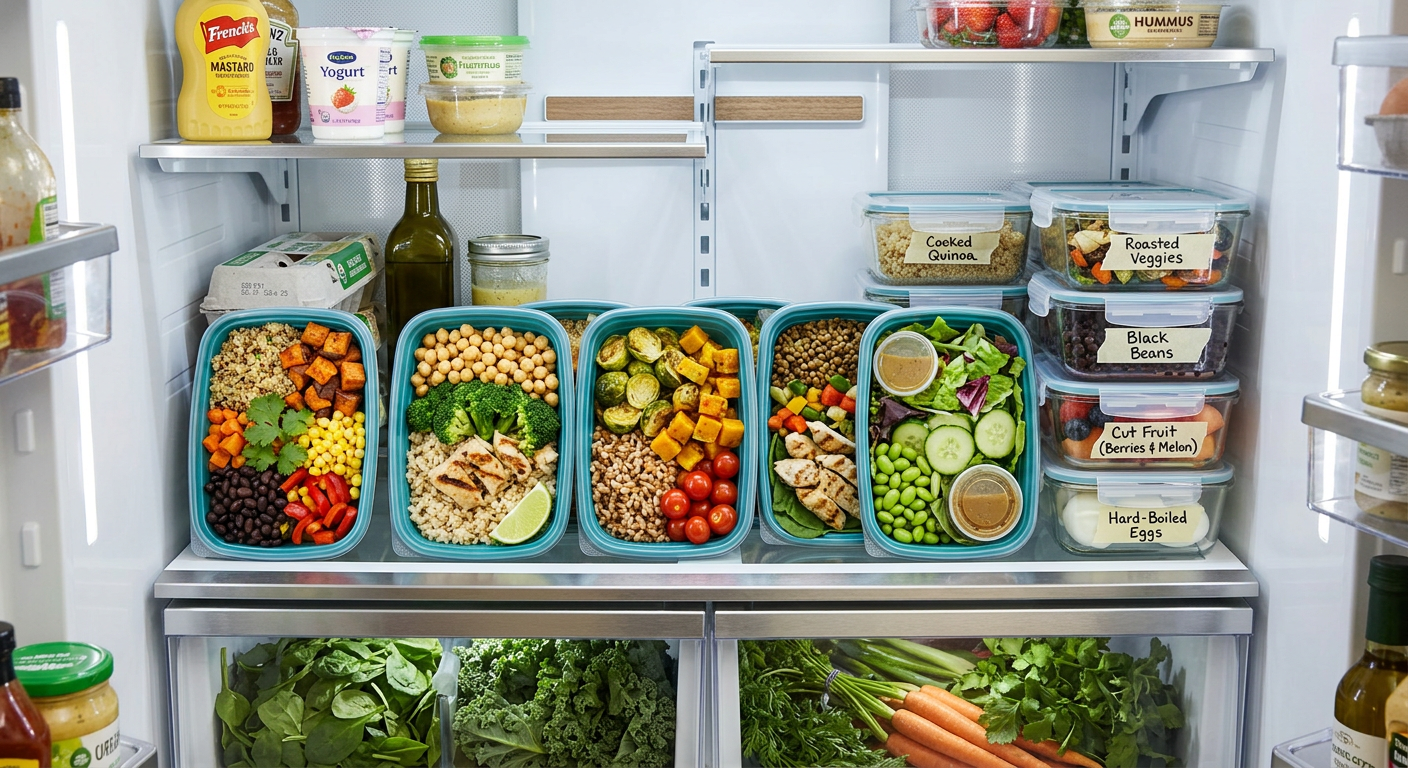
Examples include popcorn kernels, yogurt with frozen fruit, hard-boiled eggs, cheese and crackers, homemade trail mix, overnight oats, canned soup with added beans, and freezer portions of cooked rice or chili. These choices keep us from treating the drive-through or a premium snack pack as the only fast option.
Keep treats intentional
A sustainable grocery plan includes foods we enjoy. We can set a modest amount for treats, specialty coffee, sparkling drinks, or convenience foods and choose them on purpose. This is more realistic than banning everything enjoyable, then making an unplanned large purchase when willpower runs out.
The same idea applies to health-focused groceries. Protein bars, wellness drinks, supplements, and niche packaged foods can fit a lifestyle, but compare their cost per serving with simpler alternatives. Often, eggs, yogurt, oats, milk, canned fish, beans, and frozen fruit provide strong nutrition for far less.
A Simple Seven-Day Reset for Better Grocery Habits
For a recurring weekly rhythm, use a seven-day reset. On day one, check what is on hand. On day two, list four or five dinners. On day three, choose the most perishable foods to use first. On day four, cook one large component such as rice, beans, chicken, or roasted vegetables.
On day five, pack leftovers for lunch. On day six, make a flexible use-it-up meal. On day seven, review what was wasted, what ran out first, and what felt genuinely useful. This quick reflection turns grocery saving from a one-time challenge into a habit that improves week after week.
Frequently Asked Questions
Can we save money without buying only cheap processed food?
Yes. Beans, lentils, oats, eggs, potatoes, plain yogurt, frozen vegetables, canned fish, bananas, rice, and seasonal produce can support nutritious meals at a moderate cost. The key is combining affordable staples with a realistic meal plan, not relying on highly processed foods.
Is meal planning worth it for one person?
Absolutely. Solo households benefit from planning around ingredients that can be used in several meals, such as a bag of frozen vegetables, a rotisserie chicken divided into portions, or a pot of grains. Freezing extra servings is especially helpful when recipes make more than one meal.
Should we shop sales if we do not use coupons?
Yes, as long as the sale fits foods we already use. Build flexibility into the list by planning categories rather than exact brands, such as “frozen vegetable” or “lean protein.” A sale is useful when it replaces a planned purchase, not when it adds an unnecessary item.
How often should we grocery shop?
For many households, one primary trip per week plus an occasional small refill works well. Fewer store visits can reduce impulse spending, but the best rhythm depends on storage space, family size, and how quickly fresh foods are used.
Are store brands as good as name brands?
For many staples, store brands offer comparable nutrition and quality at a lower price. Compare ingredient lists, nutrition facts, and unit prices for products we buy often. We can reserve name-brand spending for the few items where we genuinely prefer the taste or performance.
What is the fastest way to lower a grocery bill?
Start with a kitchen inventory and a meal plan based on what is already at home. Then eliminate one extra store trip, choose a few flexible low-cost meals, and give every leftover a purpose. These steps can create savings without changing every food we eat.
Put These Grocery Savings Habits Into Practice
We can build stronger money habits with practical guidance that fits real life, from food planning and wellness routines to sleep and mindful daily choices. Explore more useful ideas at Content Beast and choose one grocery habit to apply during the next shopping trip.
The Bottom Line
Learning how to save money on groceries without couponing is less about finding a clever deal and more about creating a reliable process. When we plan a few flexible meals, compare unit prices, use a mix of food formats, and prevent waste, the savings build quietly over time.
Start small this week. Check the kitchen before shopping, plan one use-it-up dinner, and buy only what has a clear role in the meals ahead. Those practical moves protect the budget while keeping food satisfying, nourishing, and easy to manage.