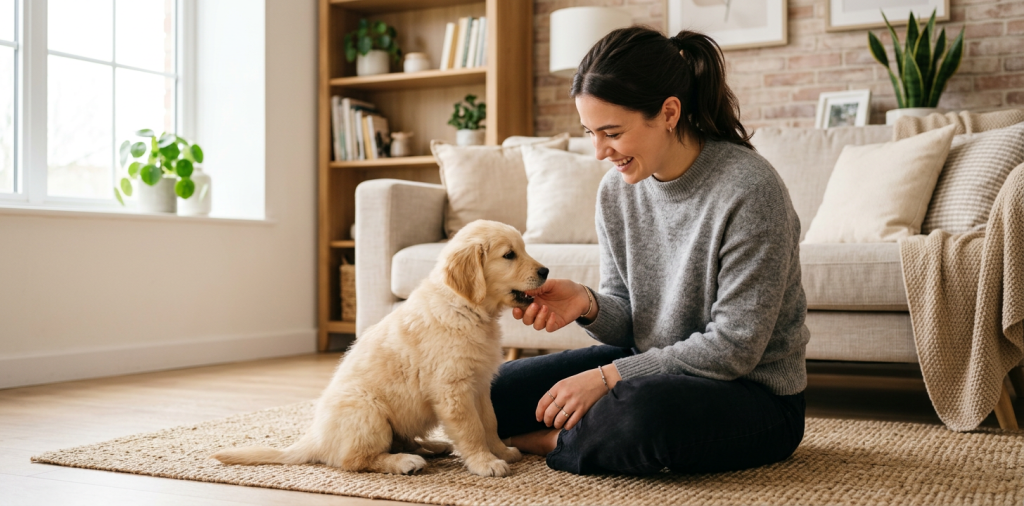
Puppy biting can feel adorable for about five seconds, then suddenly your hands, ankles, and sleeves are under attack. The good news is that this behavior is normal, trainable, and usually much easier to improve when you respond consistently.
If you are wondering how to stop a puppy from biting without turning every interaction into a battle, the answer is usually a mix of redirection, timing, and patience. Puppies are learning bite control, social boundaries, and self-regulation all at once, so your job is to make the right choice easy and the wrong choice unrewarding.
Why Puppies Bite in the First Place
Biting is part of normal puppy development. Puppies explore the world with their mouths, and they also bite more when they are excited, tired, overstimulated, or teething.
That does not mean you should ignore it. It means you should train the behavior instead of assuming your puppy is being stubborn or dominant.
1. Teach Bite Inhibition Early
One of the most helpful things you can do is teach your puppy that human skin is delicate. If play gets too rough, immediately stop the interaction.
Use a calm, consistent response. You can say “ouch” in a neutral tone, then remove your hands, stand up, and pause the game for a few seconds.
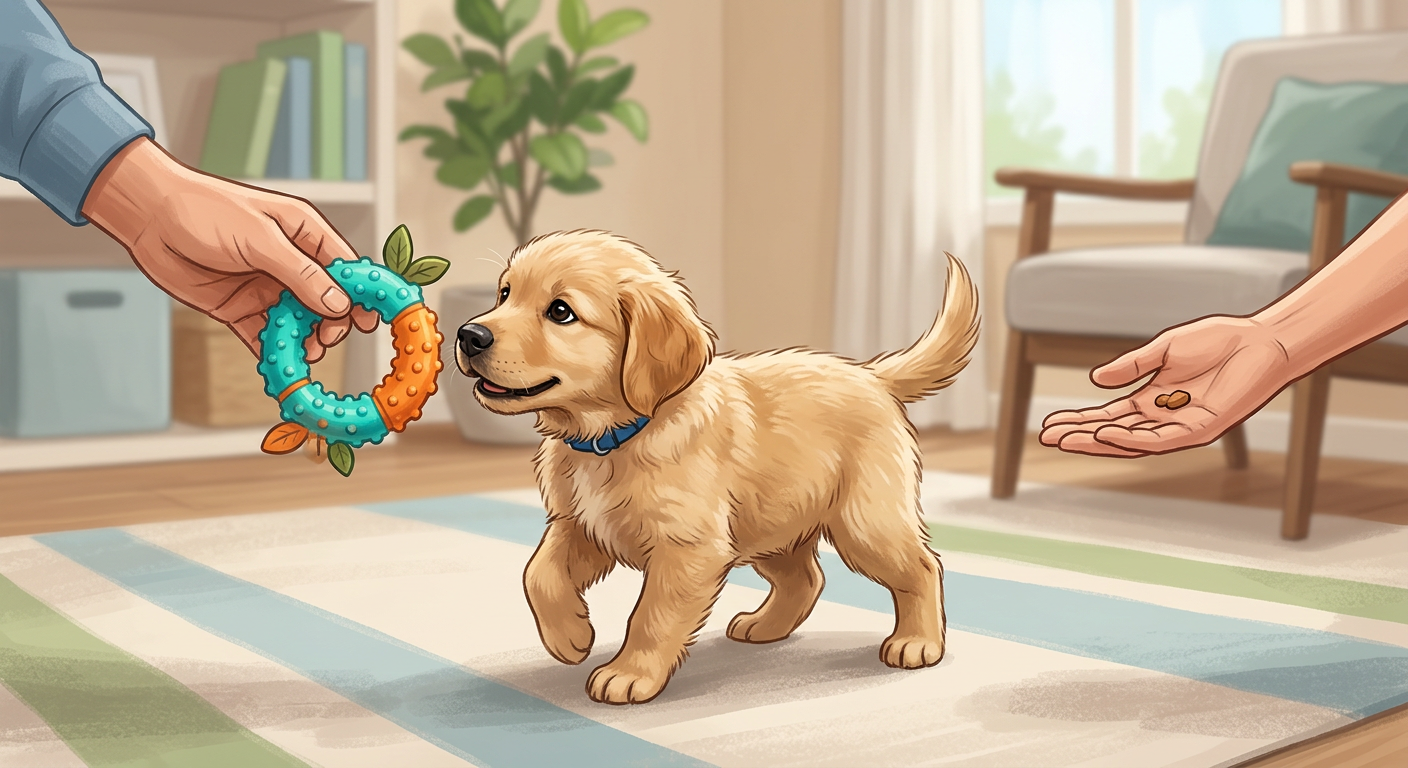
2. Redirect to an Appropriate Chew Toy
A puppy needs something acceptable to bite. Keep chew toys close by during play, and offer one the moment your puppy starts going for fingers, clothes, or ankles.
The key is timing. If you wait too long, your puppy may not connect the toy with the behavior you want.
3. Avoid Rough Play That Encourages Biting
Some games make biting worse, especially wrestling, hand chasing, or teasing with fingers. These can be fun, but they often teach a puppy that hands are toys.
Instead, choose structured play like fetch, tug with rules, or short training sessions that reward calm focus.
Better play choices
- Fetch with a soft toy
- Tug with a clear “drop it” cue
- Short recall games indoors
- Treat-based training for calm engagement
4. Use Timeouts for Overexcited Behavior
Sometimes puppies bite because they are overstimulated, not because they are trying to be naughty. If your puppy gets wild, jumpy, or nonstop mouthy, they may need a reset.
Place them in a safe, quiet area for a brief timeout, then try again once they are calmer. This helps them learn that biting ends the fun.
5. Make Sure Your Puppy Gets Enough Sleep
A tired puppy often behaves like a tiny chaos machine. Puppies need a lot of sleep, and biting frequently gets worse when they are overtired.
If your puppy starts biting more in the evening, ask yourself whether they need a nap instead of more stimulation.
6. Reward Calm Mouth Behavior
Do not only react when your puppy bites. Catch the good moments too. When your puppy licks gently, sniffs without biting, or chews a toy instead of your hand, reward that behavior.
Positive reinforcement works best when the puppy clearly understands what earns the reward.
7. Stay Consistent With Everyone in the Home
If one person allows nibbling and another punishes it, your puppy gets mixed signals. Everyone in the household should use the same rules, the same cues, and the same response.
Consistency is what makes training stick. Without it, your puppy is just guessing.
Common Mistakes to Avoid
A few well-intended reactions can accidentally make biting worse.
Do not punish aggressively
Yelling, hitting, or scaring a puppy can create fear and make trust training harder.
Do not wave your hands around
Fast movement often triggers chasing and mouthing.
Do not wait until your puppy is already out of control
The earlier you interrupt the behavior, the easier it is to redirect.
When Puppy Biting Becomes a Bigger Problem
Most puppy biting improves with age and training, but you should pay attention if the biting seems unusually intense, frequent, or hard to interrupt.
If your puppy growls, guards toys, or bites hard enough to break skin often, speak with a qualified trainer or veterinarian. Sometimes there is pain, stress, or another issue driving the behavior.
FAQ
How long does it take to stop a puppy from biting?
It depends on the puppy, the routine, and how consistent you are. Many puppies improve noticeably over several weeks with steady training and clear boundaries.
Should I yelp when my puppy bites?
A brief, calm sound can help some puppies, but exaggerated reactions may excite others. Focus more on stopping play and redirecting than on loud noise.
Is my puppy biting because they are aggressive?
Usually no. Most puppy biting is normal development, excitement, teething, or overstimulation rather than true aggression.
What age do puppies stop biting?
Many puppies bite less as they mature and learn better control, often during the first several months of life. Training speeds up the process.
Should I hold my puppy’s mouth shut?
No. That can create fear and does not teach the right lesson. Use redirection, timeouts, and positive reinforcement instead.
What if my puppy only bites my kids?
Children often move faster, squeal more, and get more excited, which can trigger mouthing. Supervise closely and teach kids to stay calm and avoid using hands as toys.
Ready to Build Better Puppy Habits?
If you want more practical, easy-to-follow advice on training, behavior, and everyday wellness, visit Content Beast for fresh ideas that help you make progress without the overwhelm. Small, consistent habits are usually what change behavior for good.
Final Thoughts
Learning how to stop a puppy from biting is really about teaching impulse control, not winning a power struggle. When you redirect, stay consistent, and reward calm behavior, your puppy learns faster and your home gets a lot more peaceful.
Be patient with the process. Your puppy is not trying to make life hard, they are learning how to live in yours.